Sculptor, 1757 to 1822
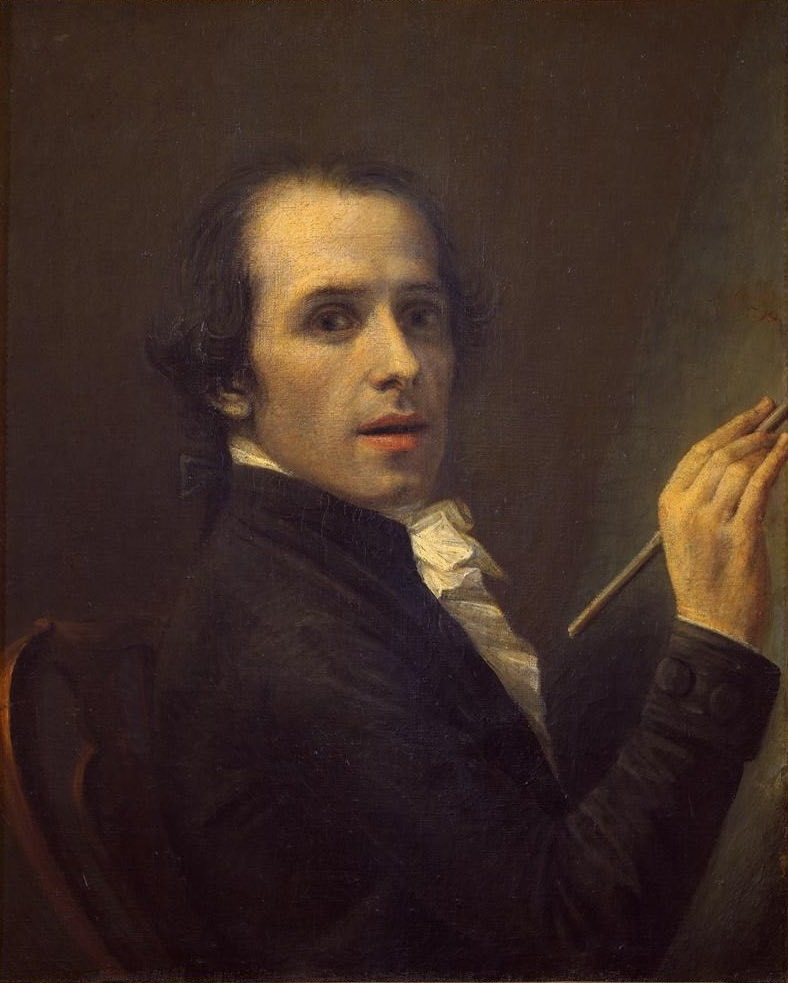
Antonio Canova
Canova was to his time what Bernini had been to his: the sculptor every ruler wanted. He worked in Rome for forty years, in a studio near Piazza del Popolo.
- Born
- 1757, Possagno, Italy
- Died
- 1822, Venice, Italy
- Movement
- Neoclassicism
- In Rome
- 4 works in 4 museums
Where to see Antonio Canova in Rome
Each work with the museum it hangs in. Museums move and lend their works, so check before a special journey.
Galleria Borghese1 work
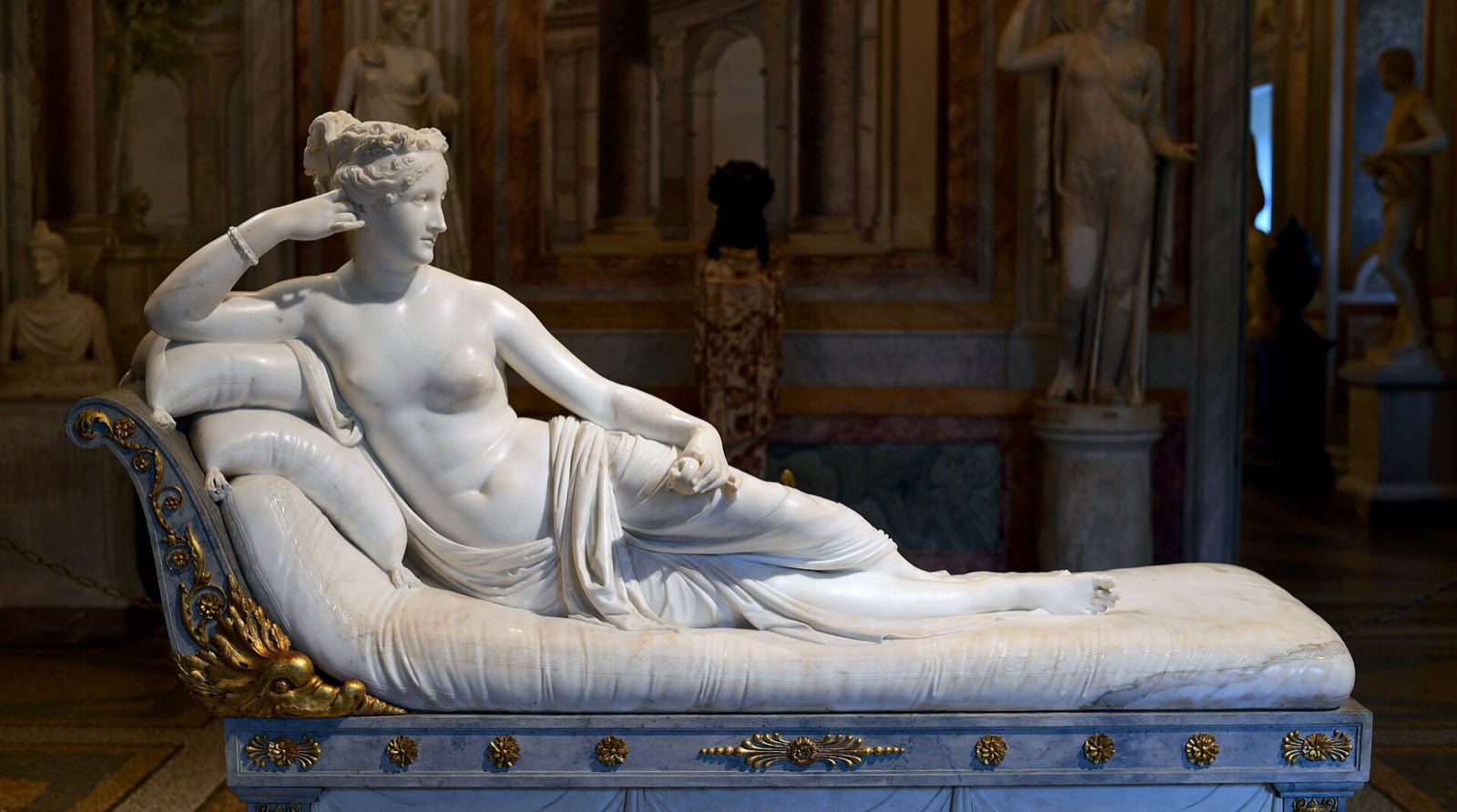
Pauline Bonaparte as Venus Victrix
1805 to 1808
Napoleon's sister, who had married a Borghese prince, reclining with the apple of Venus in her hand. Her husband kept the statue locked away. It once turned on a mechanism in its base.
Vatican Museums1 work
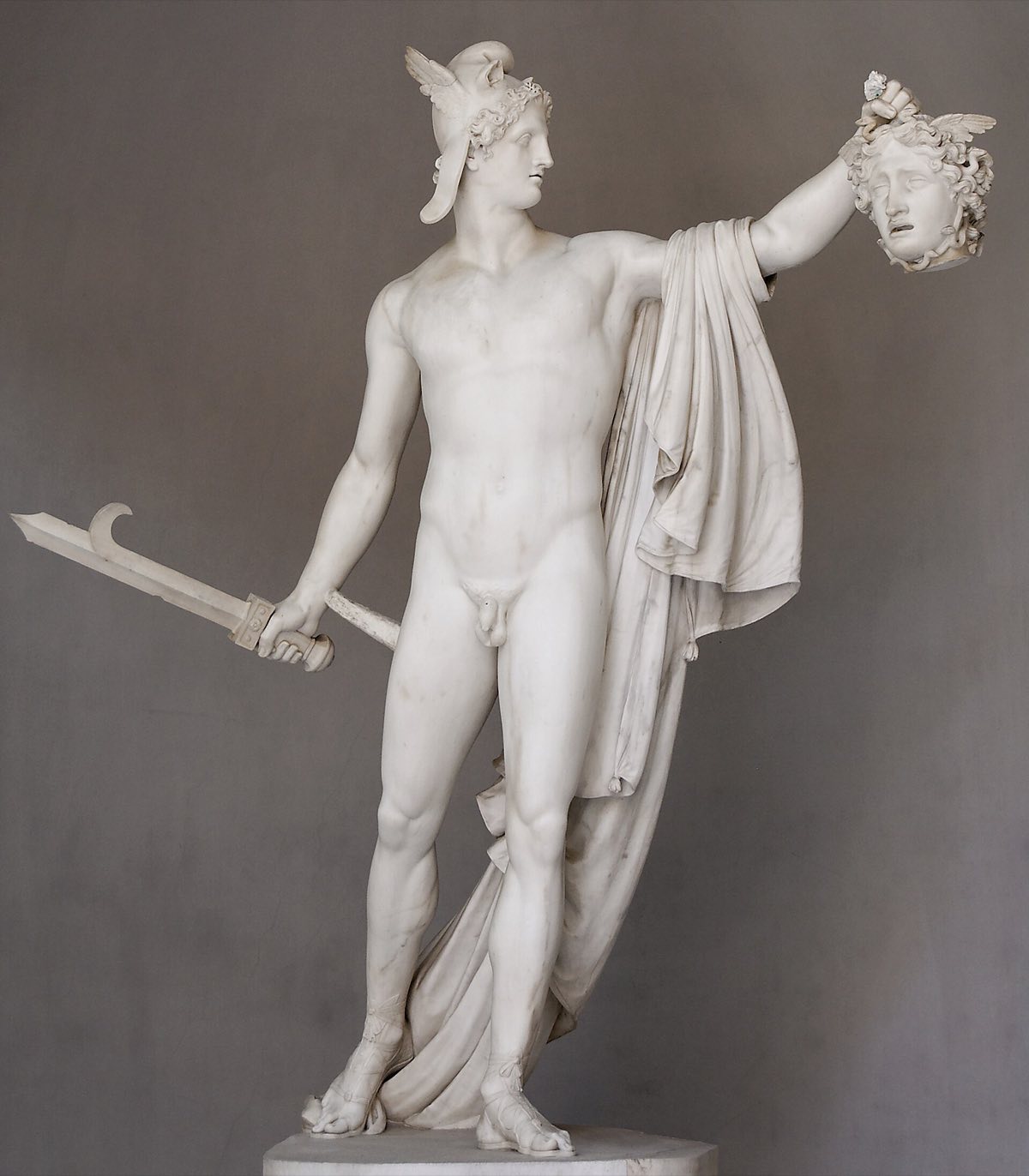
Perseus with the Head of Medusa
1797 to 1801
Bought by Pope Pius VII to stand where the Apollo Belvedere had stood before the French took it. It is in the Belvedere courtyard still, beside the Apollo it replaced.
St Peter's Basilica1 work
The tomb of Clement XIII
1783 to 1792
The kneeling pope above two sleeping lions, in the right transept. It made his reputation.
Galleria Nazionale d'Arte Moderna e Contemporanea1 work
Hercules and Lichas
1795 to 1815
A colossal group of the maddened Hercules hurling a boy into the sea, in the national gallery of modern art.
The life of Antonio Canova
Canova was born at Possagno, in the hills north of Venice, in 1757, into a family of stonecutters. He settled in Rome in 1781 and made his name with the tombs of two popes.
His marbles are smooth, cool and exact, modelled on the antique statues he saw around him. When Napoleon's armies carried those statues off to Paris, the pope bought Canova's Perseus to fill an empty pedestal in the Vatican, and in 1815 sent Canova himself to bring them back. He died in Venice in 1822.
What to know
- Carved Pauline Bonaparte as Venus
- Brought the Vatican's antiquities back from Paris in 1815
- The leading sculptor of Neoclassicism
- Born
- 1 November 1757, Possagno, Italy
- Died
- 13 October 1822, Venice, Italy
Antonio Canova: common questions
- Where can you see Antonio Canova in Rome?
- At the Galleria Borghese: Pauline Bonaparte as Venus Victrix. At the Vatican Museums: Perseus with the Head of Medusa. At St Peter's Basilica: The tomb of Clement XIII. At the Galleria Nazionale d'Arte Moderna e Contemporanea: Hercules and Lichas. Museums move and lend their works, so check before a special journey.
- What is Antonio Canova's most famous work in Rome?
- Pauline Bonaparte as Venus Victrix, of 1805 to 1808, at the Galleria Borghese. Napoleon's sister, who had married a Borghese prince, reclining with the apple of Venus in her hand. Her husband kept the statue locked away. It once turned on a mechanism in its base.
- When and where was Antonio Canova born?
- On 1 November 1757, at Possagno, Italy. Antonio Canova died on 13 October 1822, at Venice, Italy, aged about 65.
- What is Antonio Canova known for?
- Carved Pauline Bonaparte as Venus. Brought the Vatican's antiquities back from Paris in 1815. The leading sculptor of Neoclassicism. Antonio Canova was an Italian sculptor, of Neoclassicism.
Tickets and tours: Antonio Canova in Rome
Things to do near the Galleria Borghese
The nearest of this site's best things to do in the city. Distances are in a straight line.
- 14Watch the sunset from the Pincio550 m awayGarden, 1.5 to 3 hours, free
- 8Climb the Spanish Steps1.2 km awayMonument, 30 to 45 minutes, free
- 5Throw a coin into the Trevi Fountain1.6 km awayMonument, 20 to 40 minutes, free from the square, ticket for the basin
- 4Stand under the dome of the Pantheon2.1 km awayMonument, 30 to 45 minutes, ticket
Where to eat near the Galleria Borghese
The nearest of the famous tables this site lists in Rome. Distances are in a straight line.
- Harry's Bar4.1Bar and restaurant, Via Veneto650 m away
- Babington's4.1Tea room, Spanish Steps1.2 km away
- Canova Tadolini3.8Café in a sculptor's studio, Via del Babuino1.3 km away
- Colline Emiliane4.6Trattoria, Piazza Barberini1.3 km away
Hotels near the Galleria Borghese
The five-star hotels closest to it, of those this site lists in Rome. Distances are in a straight line.
- Parco dei Principi Grand Hotel4.5Five-star hotel, Villa Borghese400 m away
- The Westin Excelsior4.4Five-star hotel, Via Veneto750 m away
- Baglioni Hotel Regina4.5Five-star hotel, Via Veneto800 m away
- Sofitel Rome Villa Borghese4.7Five-star hotel, Villa Borghese850 m away
Other artists
Painter, 1599 to 1660
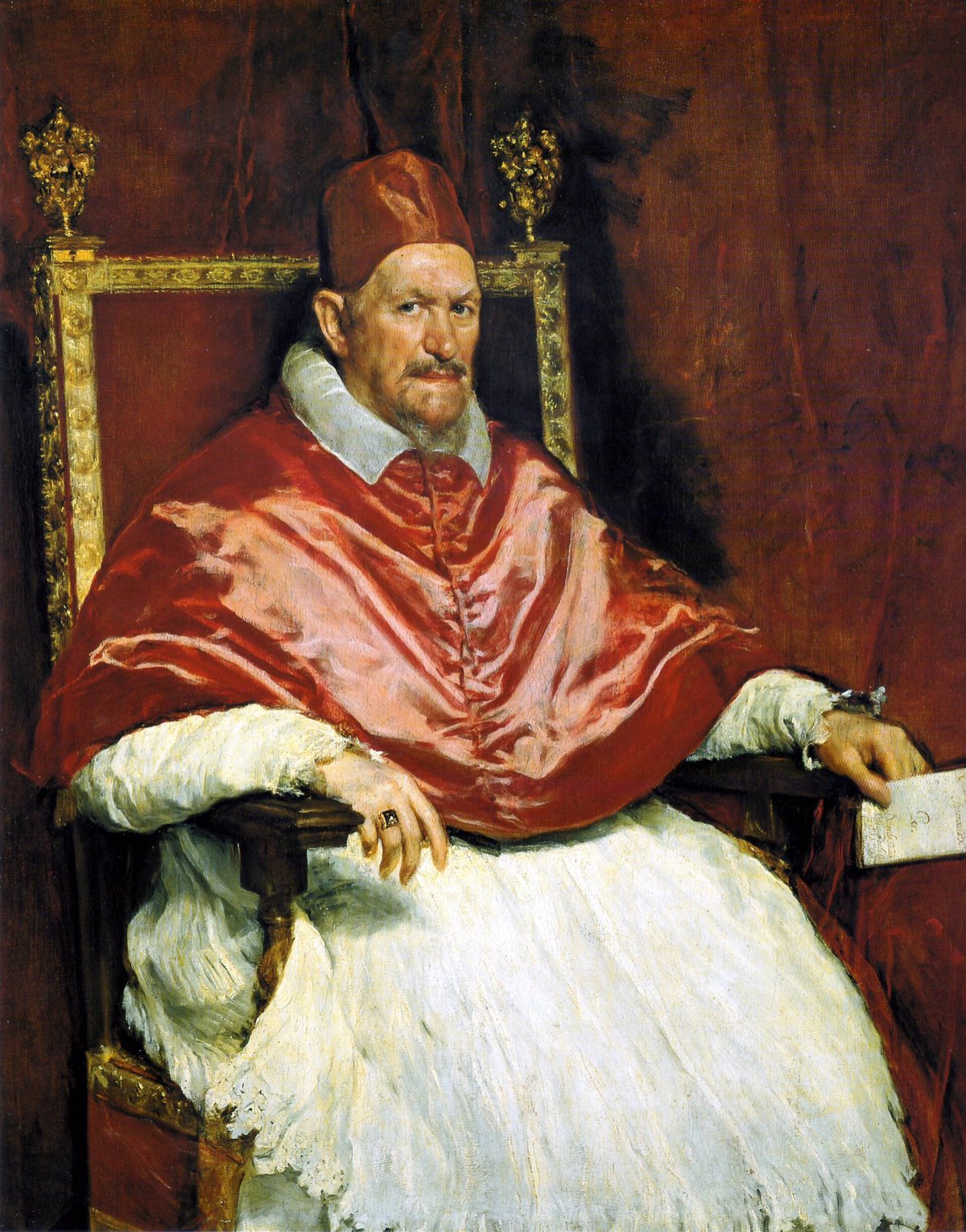
Diego Velázquez
The court painter of Spain came to Rome and painted the pope. The portrait of Innocent X, still in the family's palace, is often called the finest portrait ever painted.
Baroque. 2 works in 2 museums
See the artist
Painter, 1853 to 1890
Vincent van Gogh
Rome has three paintings by Van Gogh from the last two years of his life: two at the national gallery of modern art, and a Pietà at the Vatican.
Post-Impressionism. 3 works in 2 museums
See the artist
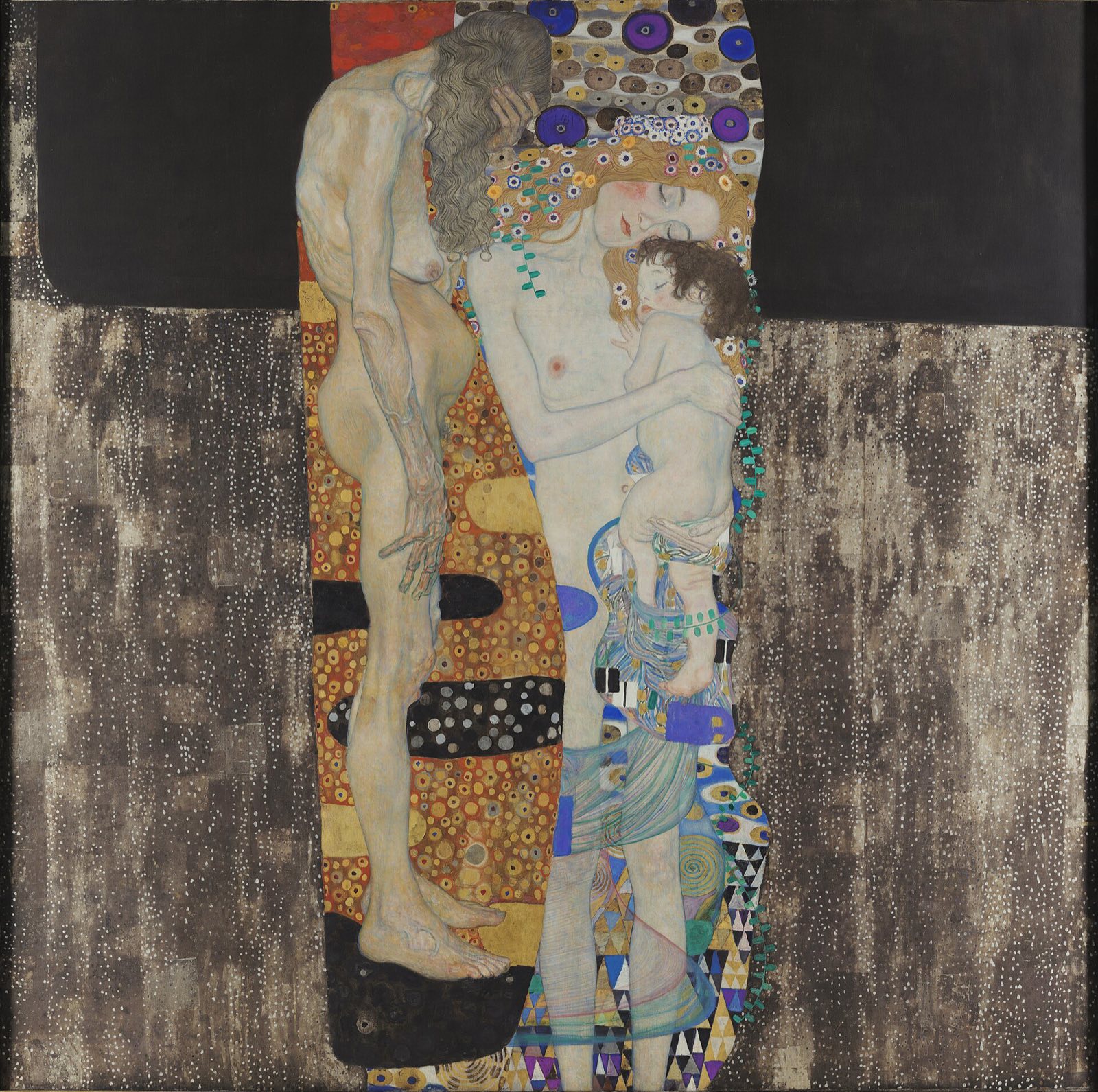
Painter, 1862 to 1918
Gustav Klimt
One of the great paintings of Klimt's golden years is in Rome, not Vienna: The Three Ages of Woman, at the national gallery of modern art.
Vienna Secession. 1 work in 1 museum
See the artist