Painter, 1609 to 1660
Judith Leyster
Judith Leyster was one of the few women of the Golden Age to run her own workshop. After her death her pictures were given to Frans Hals or to her husband, and it was only in 1893 that her monogram was noticed and her work given back to her.
- Born
- 1609, Haarlem, Dutch Republic
- Died
- 1660, Heemstede, Dutch Republic
- Movement
- Dutch Golden Age
- In Amsterdam
- 2 works in 1 museum
Where to see Judith Leyster in Amsterdam
Each work with the museum it hangs in. Museums move and lend their works, so check before a special journey.
Rijksmuseum2 works
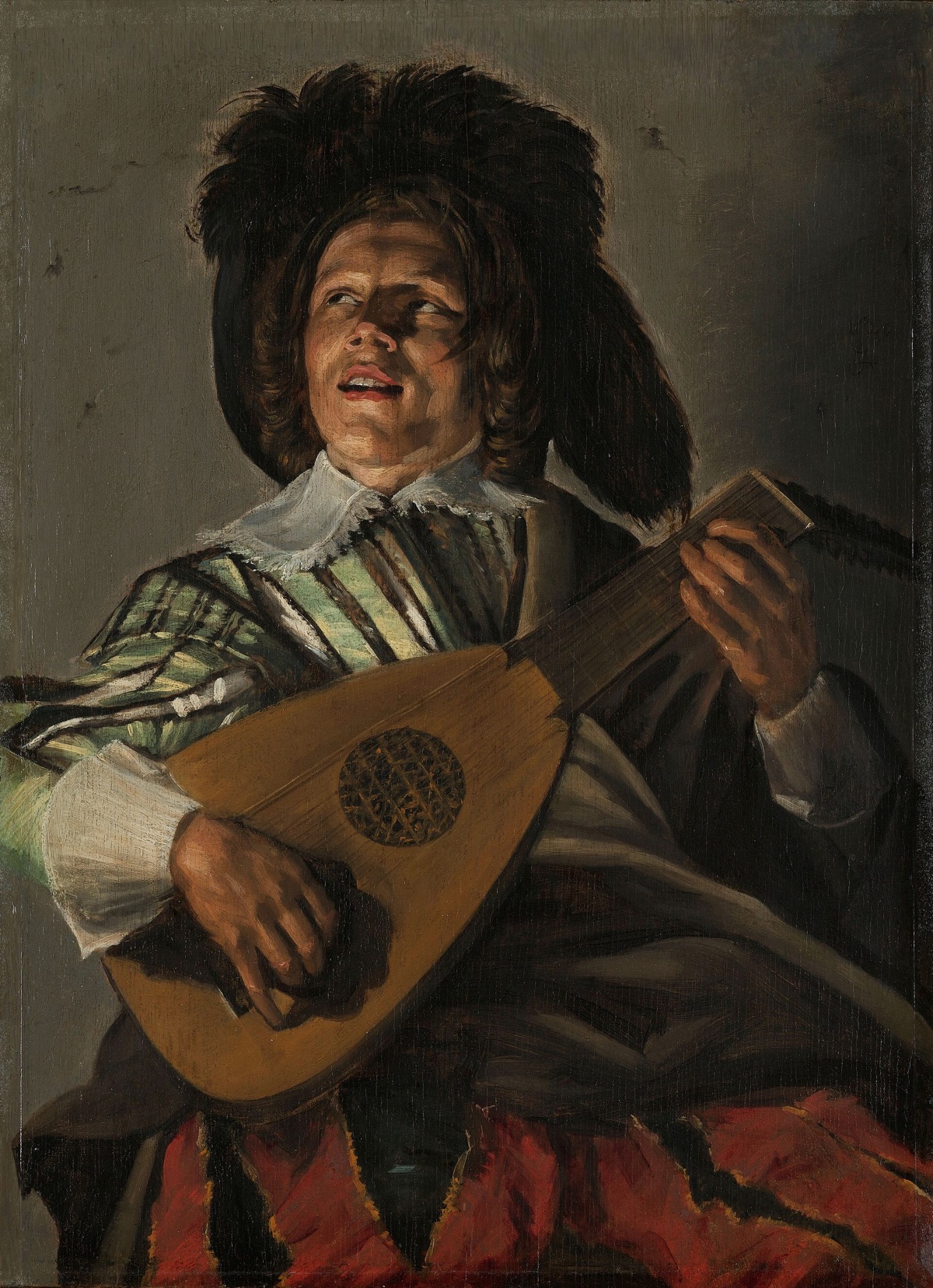
The Serenade
1629
A young man in a feathered hat plays the lute, seen from below, his face lit as he looks up from the strings.
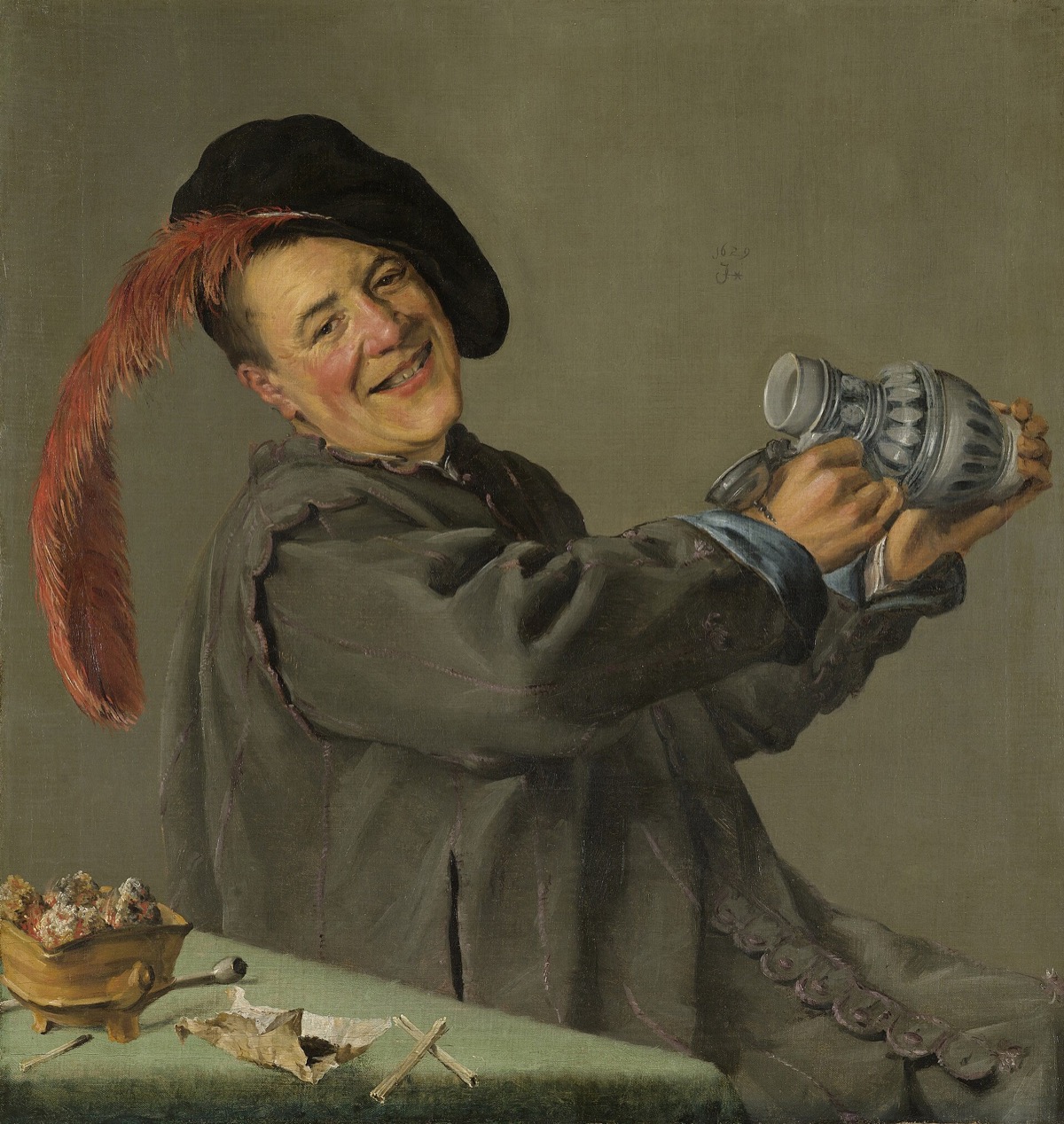
The Jolly Toper
1629
A laughing man holds up a jug, painted in the loose manner that led later collectors to take her work for Hals's.
The life of Judith Leyster
Leyster was born in Haarlem, the daughter of a brewer, and was painting professionally by her early twenties. She was admitted to the city's Guild of Saint Luke as a master, and had pupils of her own.
In 1636 she married the painter Jan Miense Molenaer, and they moved to Amsterdam. Her lively genre scenes were long attributed to Hals or to Molenaer until she was rediscovered in 1893.
What to know
- One of the first women admitted as a master to the Haarlem painters' guild
- Her work was long thought to be by Frans Hals
- Rediscovered in 1893
- Born
- Baptised 28 July 1609, Haarlem, Dutch Republic
- Died
- 10 February 1660, Heemstede, Dutch Republic
Judith Leyster: common questions
- Where can you see Judith Leyster in Amsterdam?
- At the Rijksmuseum: The Serenade and The Jolly Toper. Museums move and lend their works, so check before a special journey.
- What is Judith Leyster's most famous work in Amsterdam?
- The Serenade, of 1629, at the Rijksmuseum. A young man in a feathered hat plays the lute, seen from below, his face lit as he looks up from the strings.
- When and where was Judith Leyster born?
- Baptised 28 July 1609, at Haarlem, Dutch Republic. Judith Leyster died on 10 February 1660, at Heemstede, Dutch Republic, aged about 51.
- What is Judith Leyster known for?
- One of the first women admitted as a master to the Haarlem painters' guild. Her work was long thought to be by Frans Hals. Rediscovered in 1893. Judith Leyster was a Dutch painter, of the Dutch Golden Age.
Tickets and tours: Judith Leyster in Amsterdam
Things to do near the Rijksmuseum
The nearest of this site's best things to do in the city. Distances are in a straight line.
- 15See Banksy and Warhol in a villa on Museumplein250 m awayMuseum, 1 to 1.5 hours, ticket
- 2Follow Vincent from the Potato Eaters to the Sunflowers350 m awayMuseum, 2 to 3 hours, ticket with a start time, sold online only
- 9See Malevich, Mondrian and Warhol at the Stedelijk450 m awayMuseum, 2 to 3 hours, ticket
- 16Tour the old Heineken brewery and taste the beer500 m awayMuseum, 1.5 to 2 hours, ticket, with tastings
Where to eat near the Rijksmuseum
The nearest of the famous tables this site lists in Amsterdam. Distances are in a straight line.
- RIJKS4.4Restaurant, Museumplein50 m away
- Café Américain4.0Grand café, Leidseplein500 m away
- Patisserie Holtkamp4.6Pastry shop, Vijzelgracht500 m away
- Eetsalon Van Dobben4.4Sandwich shop, Rembrandtplein1.0 km away
Hotels near the Rijksmuseum
The five-star hotels closest to it, of those this site lists in Amsterdam. Distances are in a straight line.
- Conservatorium Hotel4.5Five-star hotel, Museumplein400 m away
- The College Hotel4.3Five-star hotel, Oud-Zuid800 m away
- Andaz Amsterdam Prinsengracht4.7Five-star hotel, Prinsengracht900 m away
- Amstel Hotel4.6Five-star hotel, On the Amstel1.3 km away
Other artists
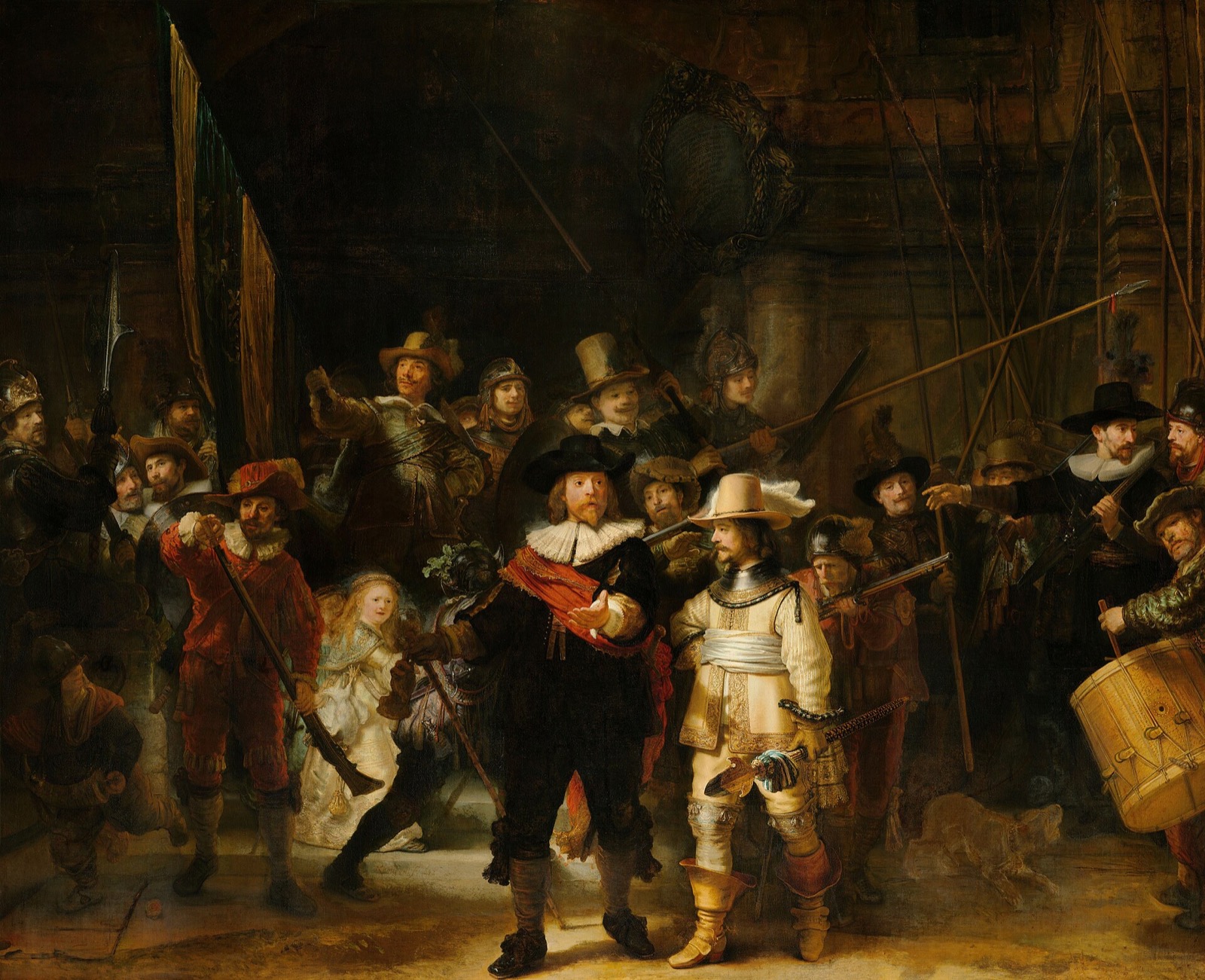
Painter, 1606 to 1669
Rembrandt
Amsterdam was Rembrandt's city for almost forty years. The Rijksmuseum has The Night Watch and the great late pictures, and the house he lived in on the Jodenbreestraat keeps almost all his etchings.
Dutch Golden Age. 5 works in 2 museums
See the artist
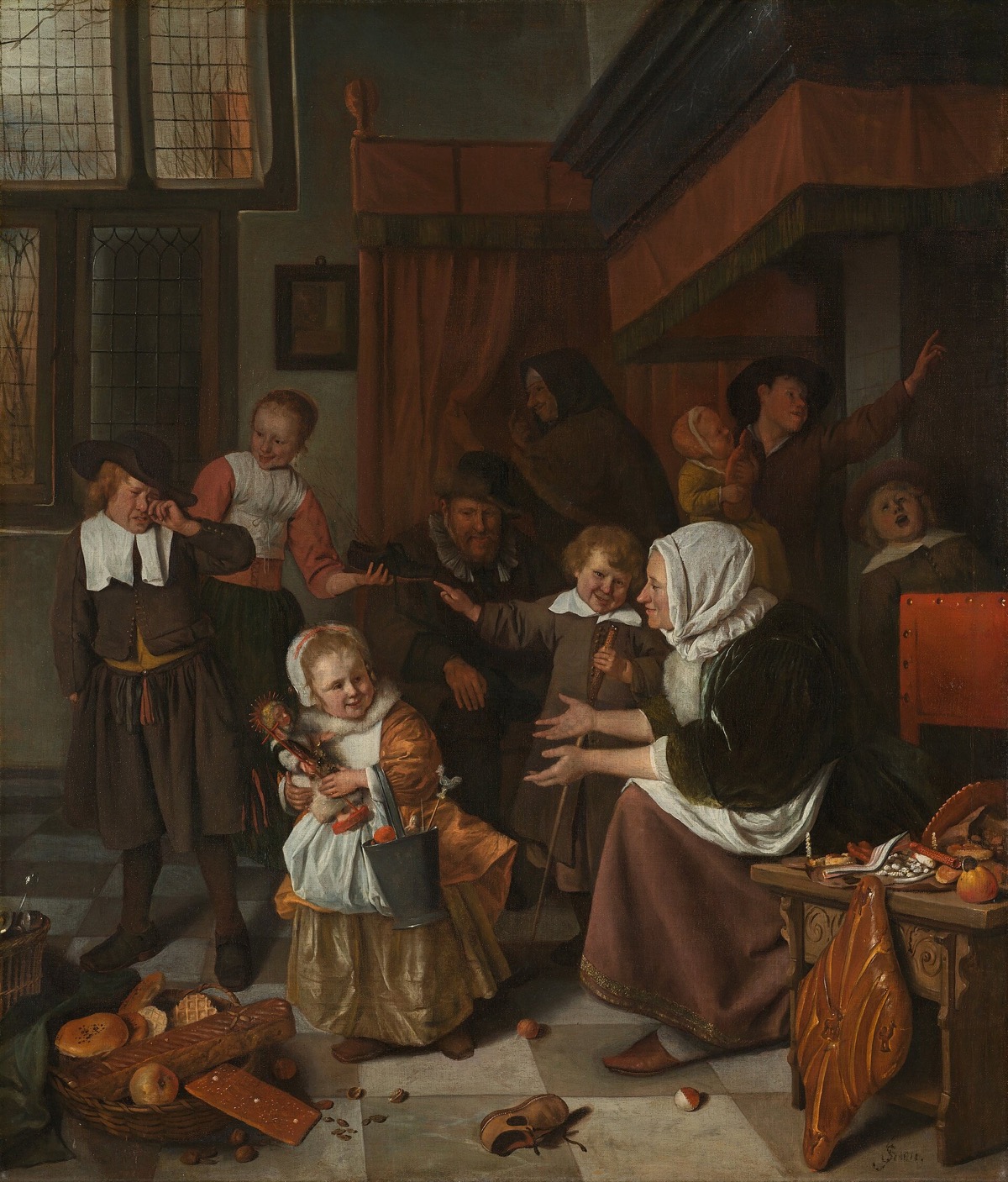
Painter, 1626 to 1679
Jan Steen
The comic storyteller of Dutch painting, whose crowded, untidy households gave the Dutch a phrase: a Jan Steen household.
Dutch Golden Age. 4 works in 1 museum
See the artist
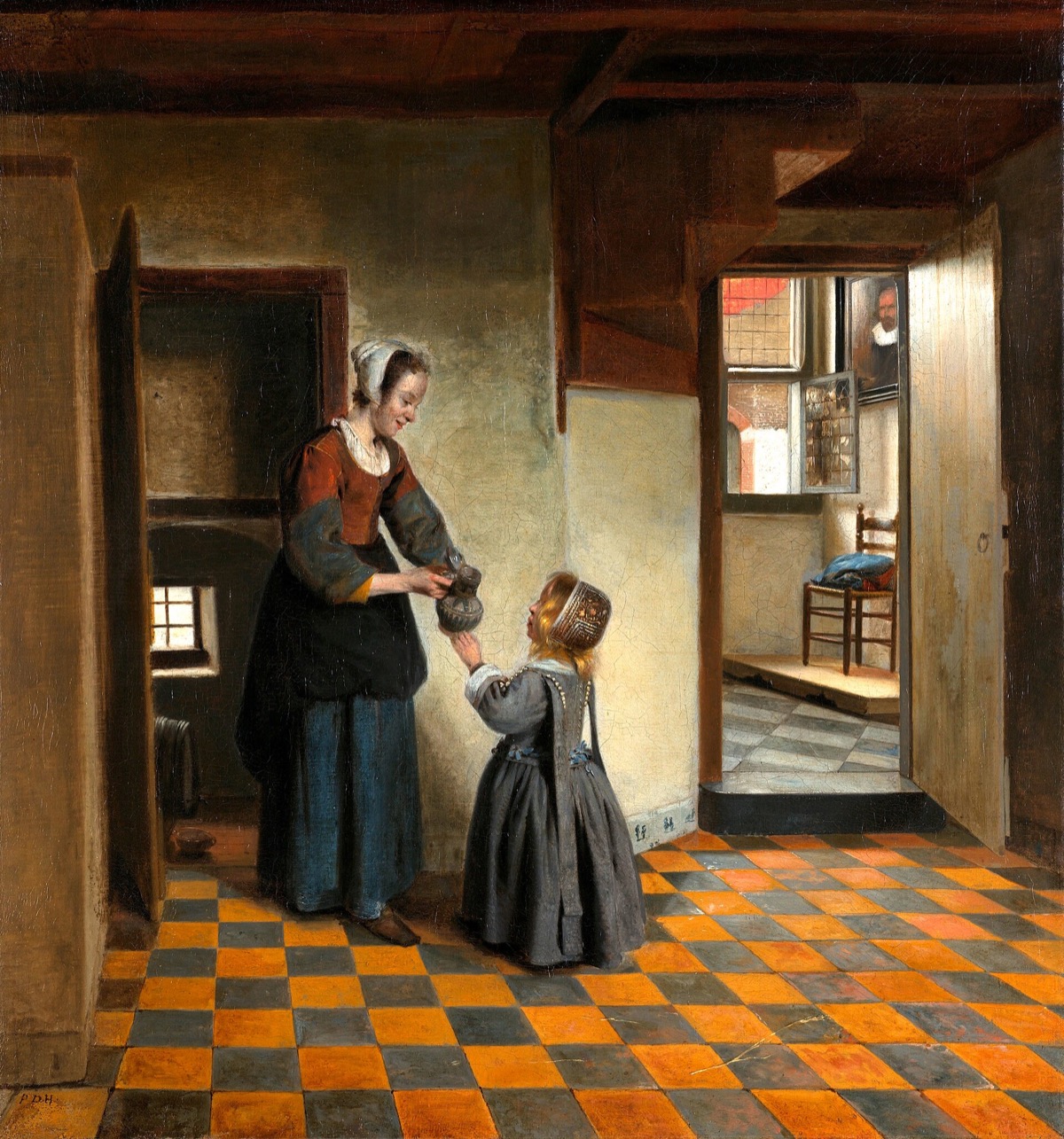
Painter, 1629 to 1684
Pieter de Hooch
The painter of Dutch houses and courtyards, of mothers and maids at work in rooms that open one into another towards the light.
Dutch Golden Age. 3 works in 1 museum
See the artist