Painter, 1591 to 1652
Jusepe de Ribera
Ribera, the Spanish painter who made his life in Naples, painted the martyrdom of Saint Bartholomew again and again. The canvas of 1644 in the MNAC shows the saint stretched out as his executioners set to work.
- Born
- 1591, Xàtiva, Spain
- Died
- 1652, Naples
- Movement
- Baroque
- In Barcelona
- 1 work in 1 museum
Where to see Jusepe de Ribera in Barcelona
Each work with the museum it hangs in. Museums move and lend their works, so check before a special journey.
Museu Nacional d'Art de Catalunya1 work
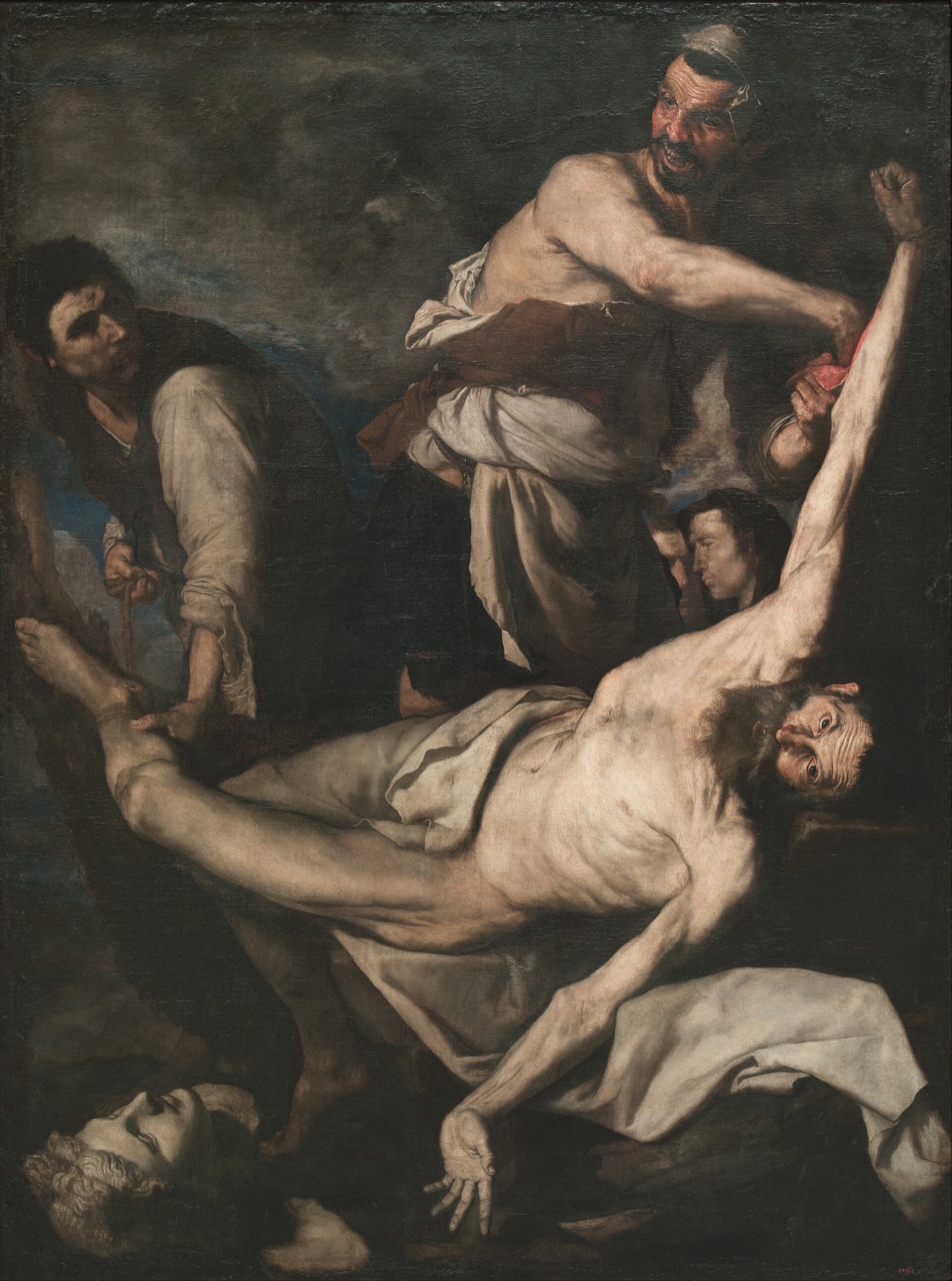
The Martyrdom of Saint Bartholomew
1644
The saint stretched out, his executioners at work around him.
The life of Jusepe de Ribera
Jusepe de Ribera was born near Valencia in 1591 and went to Italy as a young man. He settled in Naples, then ruled by Spain, where he was called Lo Spagnoletto, the little Spaniard, and became the leading painter of the city.
He is best known for his scenes of martyrdom, painted with the hard light and dark of Caravaggio, and for his half-length beggars posed as philosophers and saints.
What to know
- The Martyrdom of Saint Bartholomew, 1644
- In the MNAC
- Born
- Baptised 17 February 1591, Xàtiva, Spain
- Died
- 3 November 1652, Naples
Jusepe de Ribera: common questions
- Where can you see Jusepe de Ribera in Barcelona?
- At the Museu Nacional d'Art de Catalunya: The Martyrdom of Saint Bartholomew. Museums move and lend their works, so check before a special journey.
- What is Jusepe de Ribera's most famous work in Barcelona?
- The Martyrdom of Saint Bartholomew, of 1644, at the Museu Nacional d'Art de Catalunya. The saint stretched out, his executioners at work around him.
- When and where was Jusepe de Ribera born?
- Baptised 17 February 1591, at Xàtiva, Spain. Jusepe de Ribera died on 3 November 1652, at Naples, aged about 61.
- What is Jusepe de Ribera known for?
- The Martyrdom of Saint Bartholomew, 1644. In the MNAC. Jusepe de Ribera was a Spanish painter, of the Baroque.
Tickets and tours: Jusepe de Ribera in Barcelona
Things to do near the MNAC
The nearest of this site's best things to do in the city. Distances are in a straight line.
- 12See Miró's own collection on Montjuïc550 m awayMuseum, 1.5 to 2.5 hours, ticket
- 13Ride the cable car to Montjuïc Castle850 m awayMonument, 1.5 to 3 hours, ticket for the cable car, the hill is free
- 10Walk La Rambla and eat at La Boqueria2.1 km awayWalk, 1 to 2 hours, free to walk
- 16See flamenco danced on the Rambla2.1 km awayShow, 1 to 2.5 hours, ticket, with a drink or dinner as you choose
Where to eat near the MNAC
The nearest of the famous tables this site lists in Barcelona. Distances are in a straight line.
- Quimet & Quimet4.6Bodega, Poble-sec1.2 km away
- Casa Leopoldo4.7Restaurant, Raval1.8 km away
- Bar Marsella4.4Bar, Raval1.8 km away
- Casa Almirall4.3Bar, Raval1.9 km away
Hotels near the MNAC
The hotels closest to it, of those this site lists in Barcelona. Distances are in a straight line.
- Hotel Miramar Barcelona4.3Five-star hotel, Montjuïc1.5 km away
- Nobu Hotel Barcelona4.4Five-star hotel, Sants1.6 km away
- Hotel Bagués4.4Five-star hotel, old city2.2 km away
- Kimpton Vividora Barcelona4.5Five-star hotel, Gothic Quarter2.4 km away
Other artists
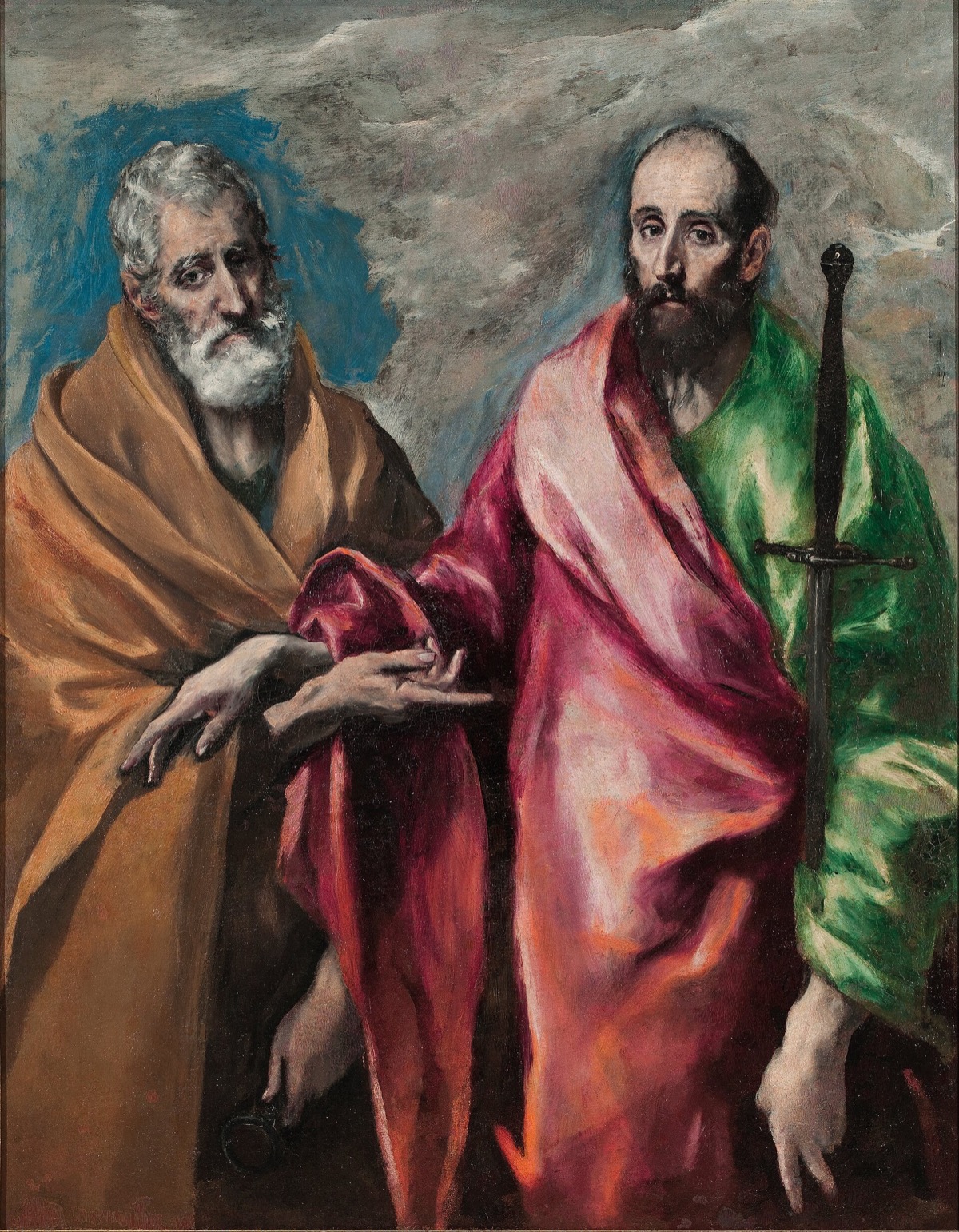
Painter, 1541 to 1614
El Greco
Barcelona has one great El Greco: the apostles Peter and Paul, side by side, in the MNAC.
Mannerism. 1 work in 1 museum
See the artist
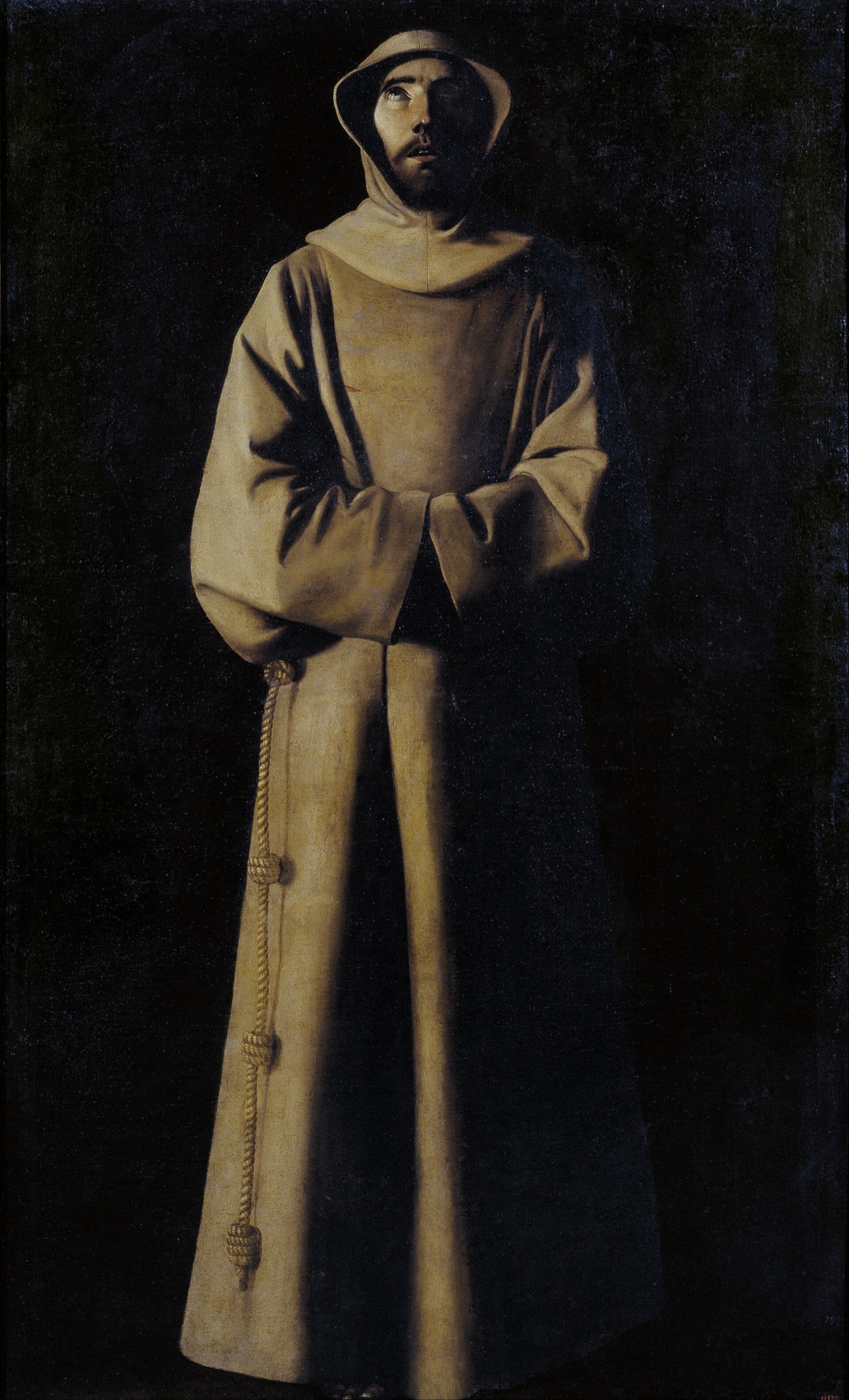
Painter, 1598 to 1664
Francisco de Zurbarán
Two Zurbaráns in the MNAC: a standing Saint Francis, as a pope saw his body in its tomb, and a version of his still life of four vessels.
Baroque. 2 works in 1 museum
See the artist
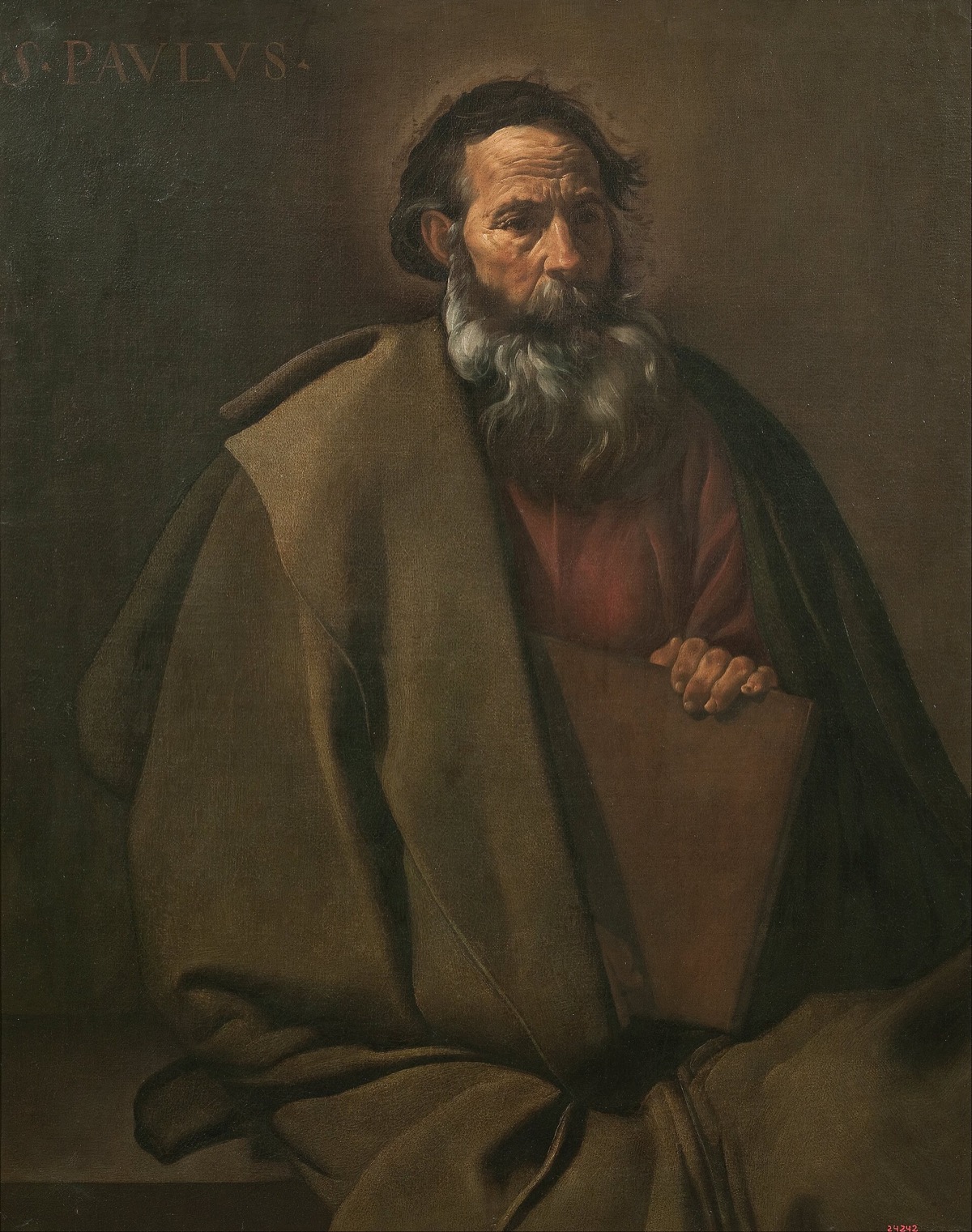
Painter, 1599 to 1660
Diego Velázquez
In the MNAC, a Saint Paul from Velázquez's first years in Seville, painted before he went to court.
Baroque. 1 work in 1 museum
See the artist