Painter, 1599 to 1641
Anthony van Dyck
For two hundred years after Van Dyck, every British portrait painter tried to be him. He arrived in 1632, was knighted within months, and in nine years painted the king and queen some forty times.
- Born
- 1599, Antwerp
- Died
- 1641, London
- Movement
- Baroque
- In London
- 3 works in 2 museums
Where to see Anthony van Dyck in London
Each work with the museum it hangs in. Museums move and lend their works, so check before a special journey.
The National Gallery2 works
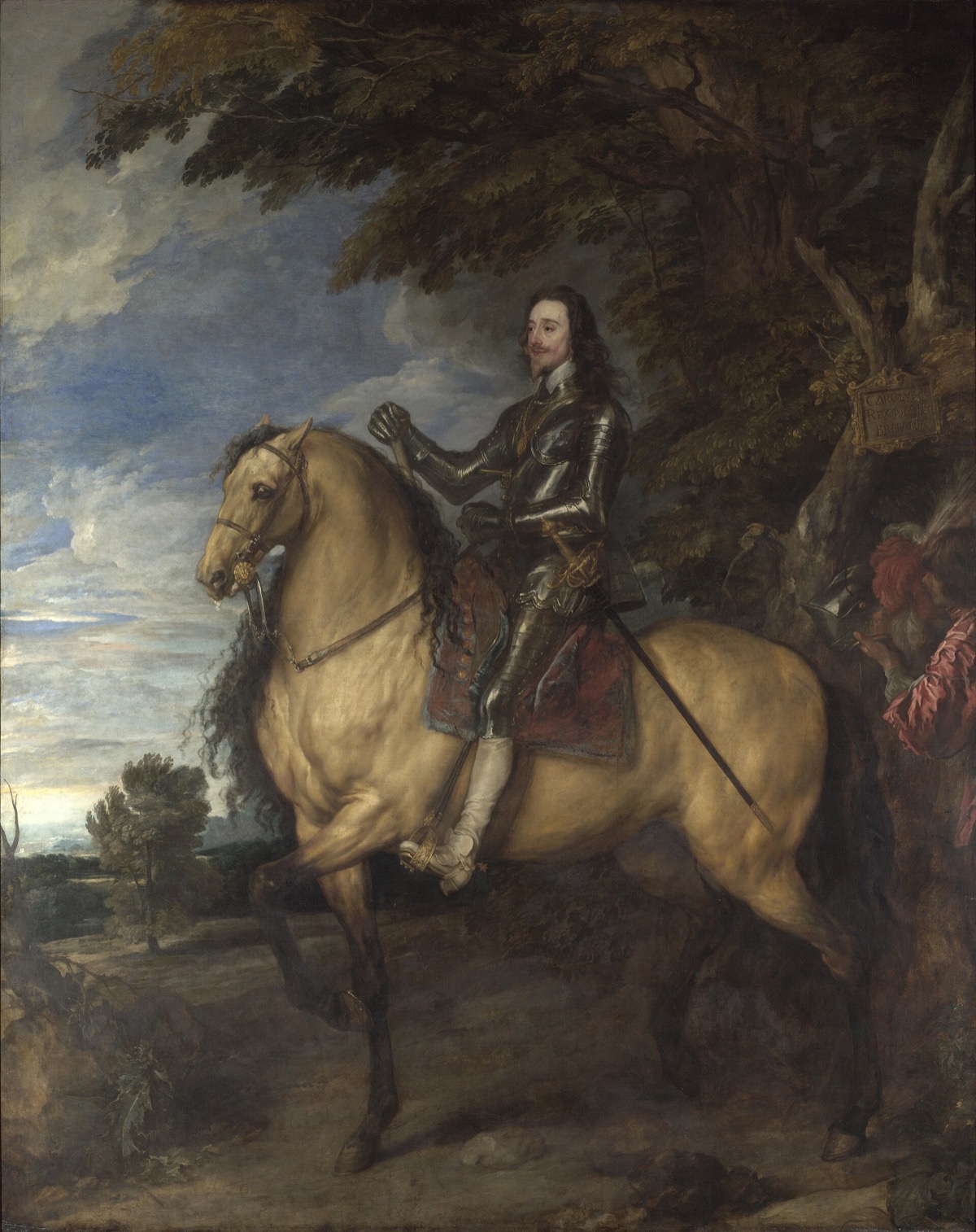
Equestrian Portrait of Charles I
about 1637 to 1638
The king in armour on a huge dun horse under an oak, more than three and a half metres high. In life he was a small man. It was sold after his execution and came back to England in the eighteenth century.
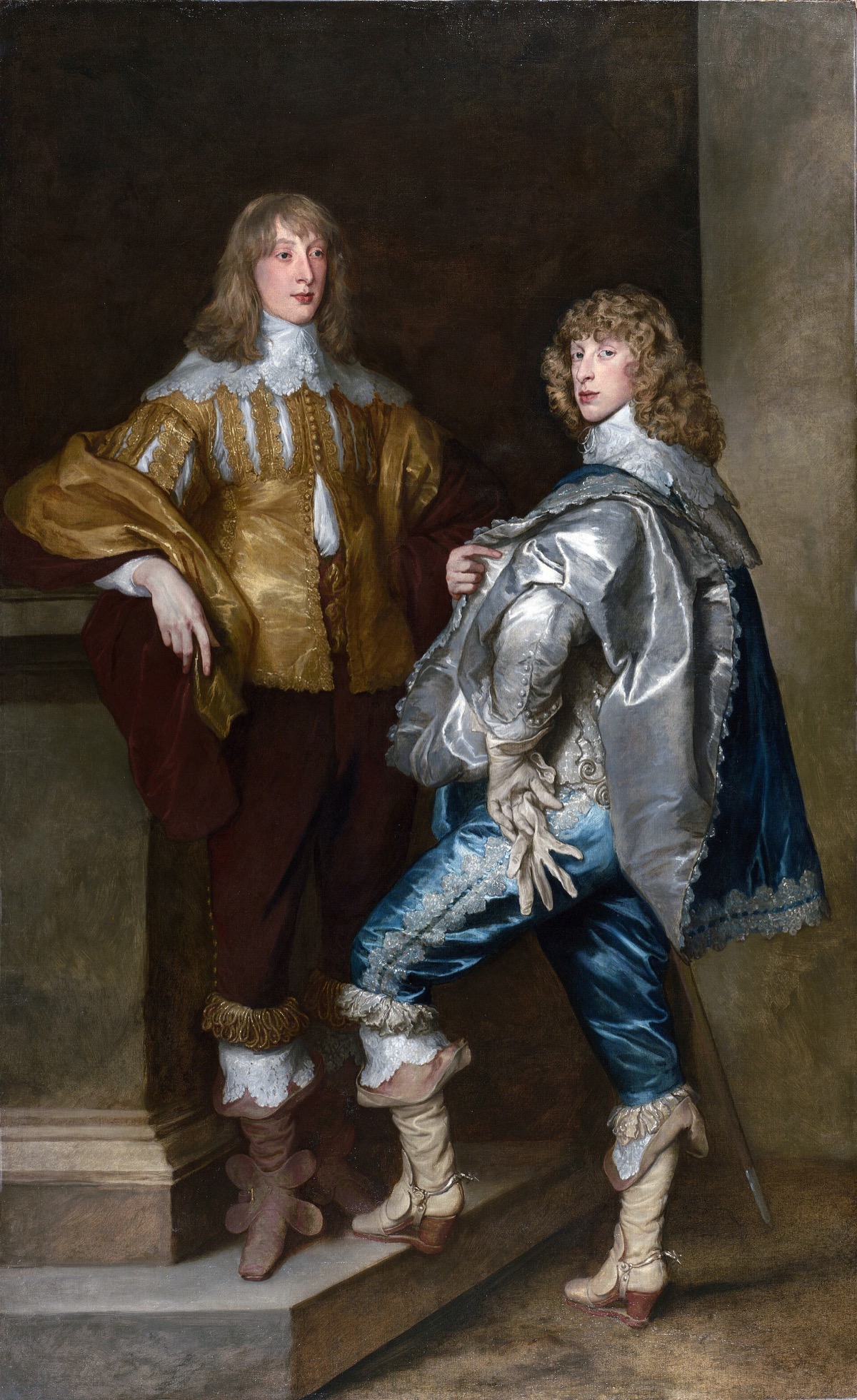
Lord John Stuart and his Brother, Lord Bernard Stuart
about 1638
Two young cousins of the king in silk and lace, one on a step, one with a hand on his hip. Both were killed fighting for him in the Civil War a few years later.
National Portrait Gallery1 work
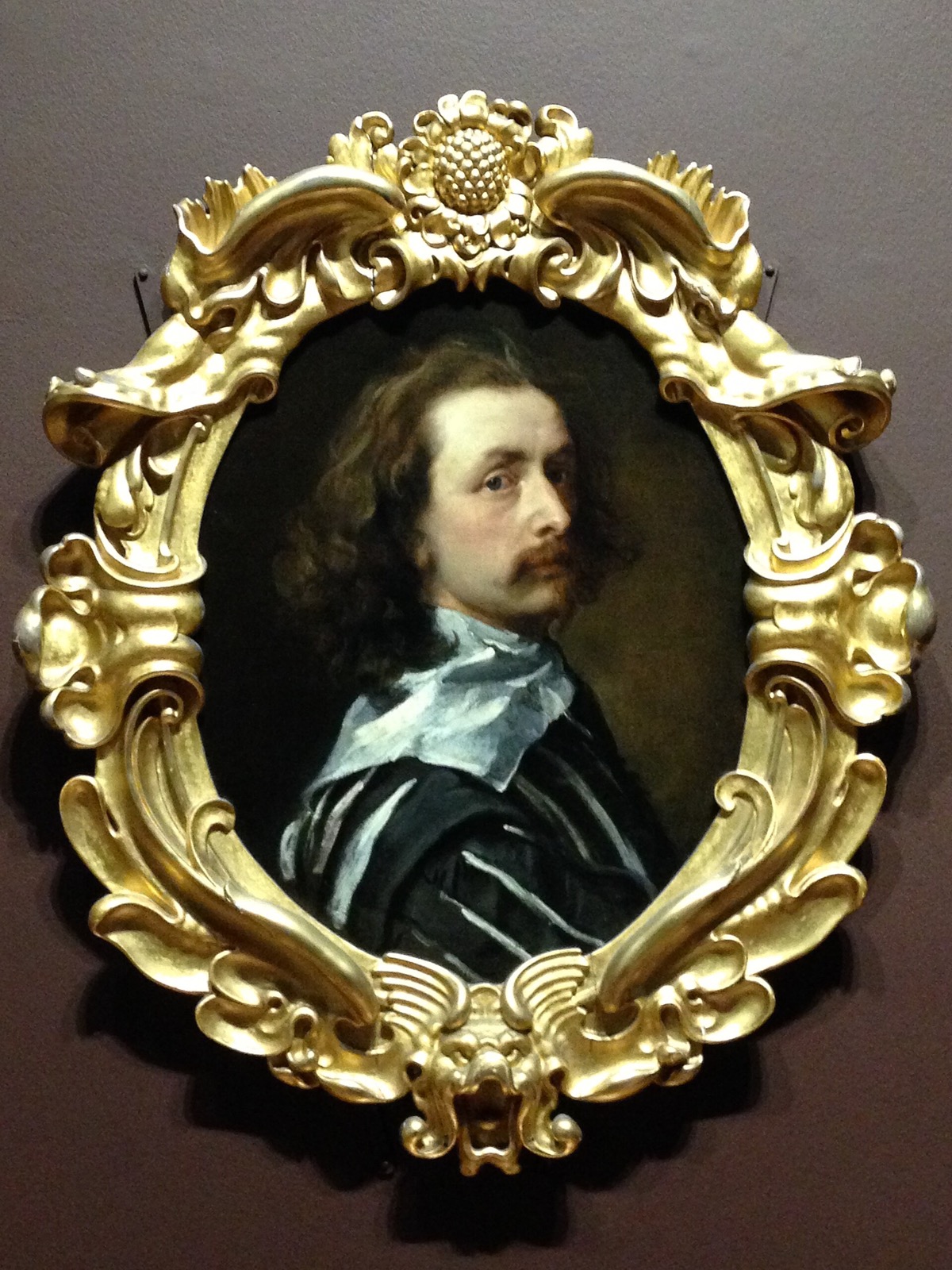
Self-portrait
about 1640
The painter a year before his death, turning to look over his shoulder. The gallery bought it in 2014 after a public appeal.
The life of Anthony van Dyck
Van Dyck was the most gifted of Rubens's assistants in Antwerp, spent six years in Italy, and was already famous when Charles I brought him to London with a house on the Thames, a pension and a gold chain.
He died at forty-two, a year before the Civil War began, and was buried in old St Paul's Cathedral. The tomb was lost in the Great Fire.
What to know
- Knighted by Charles I in 1632
- Died in London and was buried in old St Paul's
- Gave his name to a beard and a brown
- Born
- 22 March 1599, Antwerp
- Died
- 9 December 1641, London
Anthony van Dyck: common questions
- Where can you see Anthony van Dyck in London?
- At the National Gallery: Equestrian Portrait of Charles I and Lord John Stuart and his Brother, Lord Bernard Stuart. At the National Portrait Gallery: Self-portrait. Museums move and lend their works, so check before a special journey.
- What is Anthony van Dyck's most famous work in London?
- Equestrian Portrait of Charles I, of about 1637 to 1638, at the National Gallery. The king in armour on a huge dun horse under an oak, more than three and a half metres high. In life he was a small man. It was sold after his execution and came back to England in the eighteenth century.
- When and where was Anthony van Dyck born?
- On 22 March 1599, at Antwerp. Anthony van Dyck died on 9 December 1641, at London, aged about 42.
- What is Anthony van Dyck known for?
- Knighted by Charles I in 1632. Died in London and was buried in old St Paul's. Gave his name to a beard and a brown. Anthony van Dyck was a Flemish painter, of the Baroque.
Tickets and tours: Anthony van Dyck in London
Things to do near the National Gallery
The nearest of this site's best things to do in the city. Distances are in a straight line.
- 16Spend an evening in Covent Garden and the West End450 m awayShow, 2 to 5 hours, free to walk, theatre ticket
- 14Go underground at the Churchill War Rooms750 m awayUnderground, 1.5 to 2 hours, ticket
- 6Ride the London Eye900 m awayMonument, 1 to 1.5 hours, ticket
- 11Hear Big Ben strike at the Houses of Parliament950 m awayMonument, 45 to 150 minutes, free outside, ticket to go in
Where to eat near the National Gallery
The nearest of the famous tables this site lists in London. Distances are in a straight line.
- Ochre4.4Museum restaurant, Trafalgar Square50 m away
- J Sheekey4.5Fish restaurant, Covent Garden250 m away
- Gordon's Wine Bar4.6Wine bar, Embankment350 m away
- Rules4.6Grand restaurant, Covent Garden400 m away
Hotels near the National Gallery
The five-star hotels closest to it, of those this site lists in London. Distances are in a straight line.
- Corinthia London4.7Five-star hotel, Whitehall Place, by the Embankment400 m away
- Raffles London at The OWO4.7Five-star hotel, Whitehall, opposite Horse Guards450 m away
- The Savoy4.7Five-star hotel, The Strand, on the Thames550 m away
- The Ritz London4.6Five-star hotel, Piccadilly, beside Green Park950 m away
Other artists
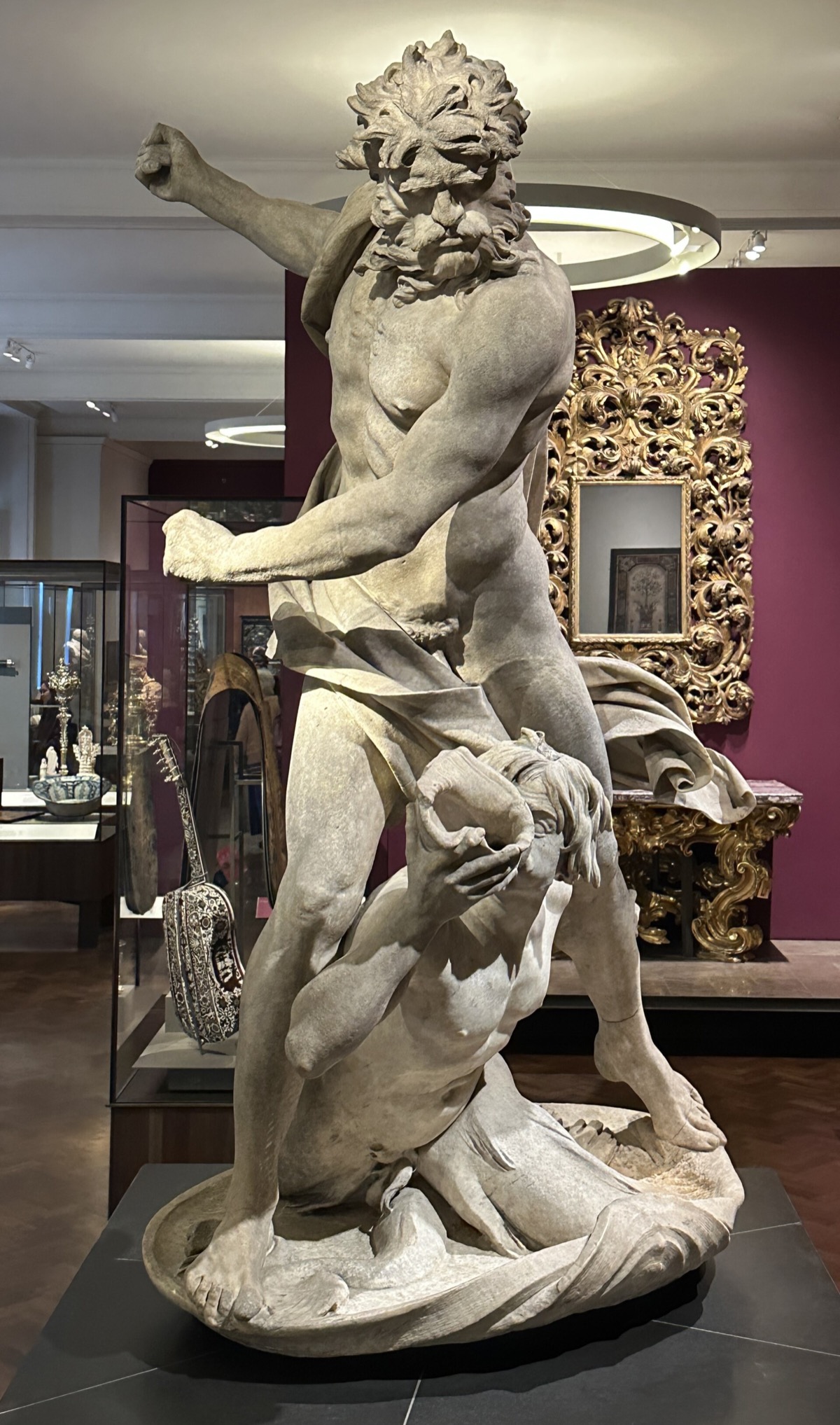
Picture: APK, CC BY 4.0
Sculptor, 1598 to 1680
Gian Lorenzo Bernini
The Victoria and Albert Museum has Neptune and Triton, the one large marble group by Bernini outside Italy, carved when he was in his early twenties.
Baroque. 1 work in 1 museum
See the artist
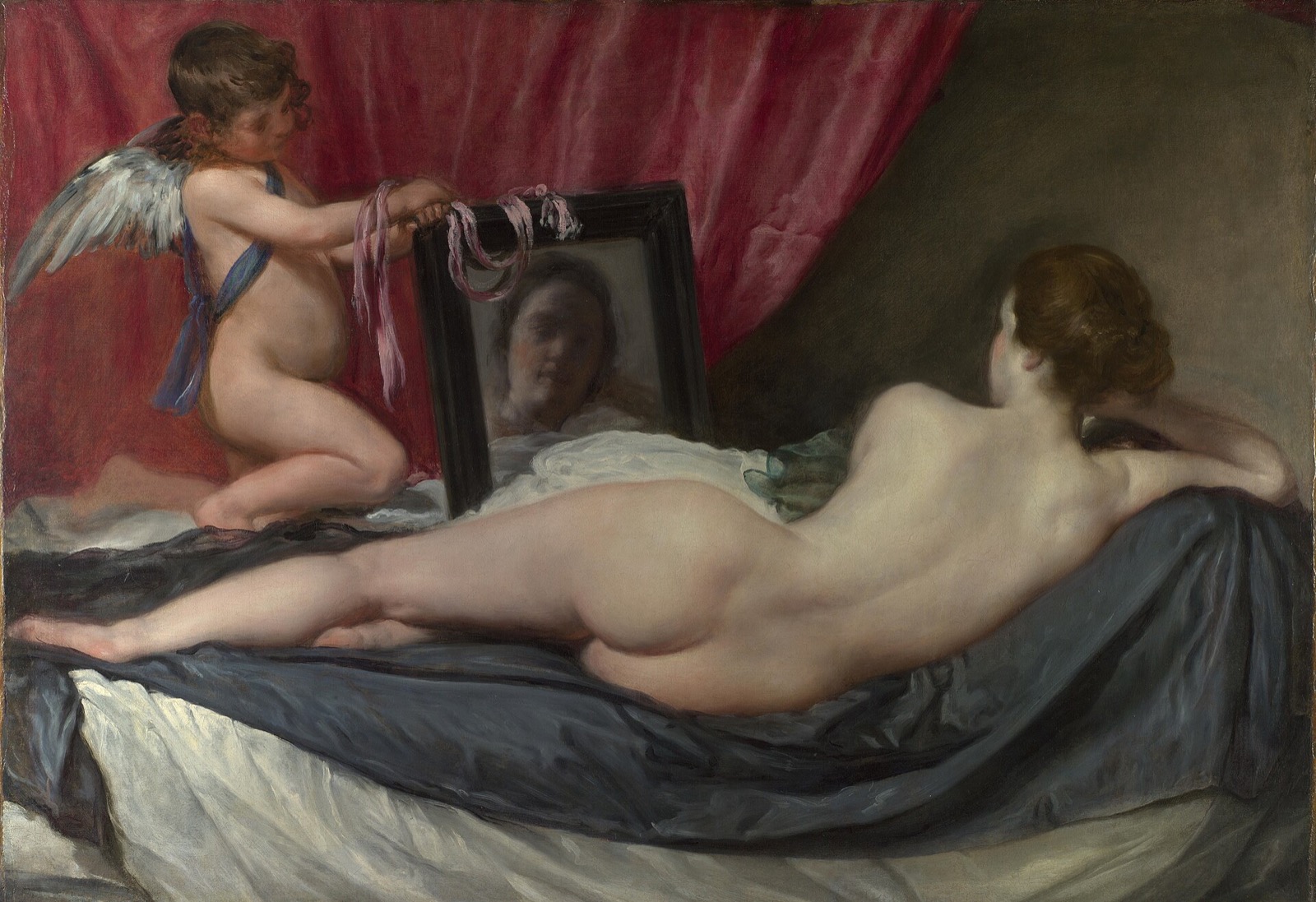
Painter, 1599 to 1660
Diego Velázquez
The National Gallery has the Rokeby Venus, the only nude by Velázquez to survive, with his Philip IV. The Wallace Collection has The Lady with a Fan.
Baroque. 2 works in 2 museums
See the artist
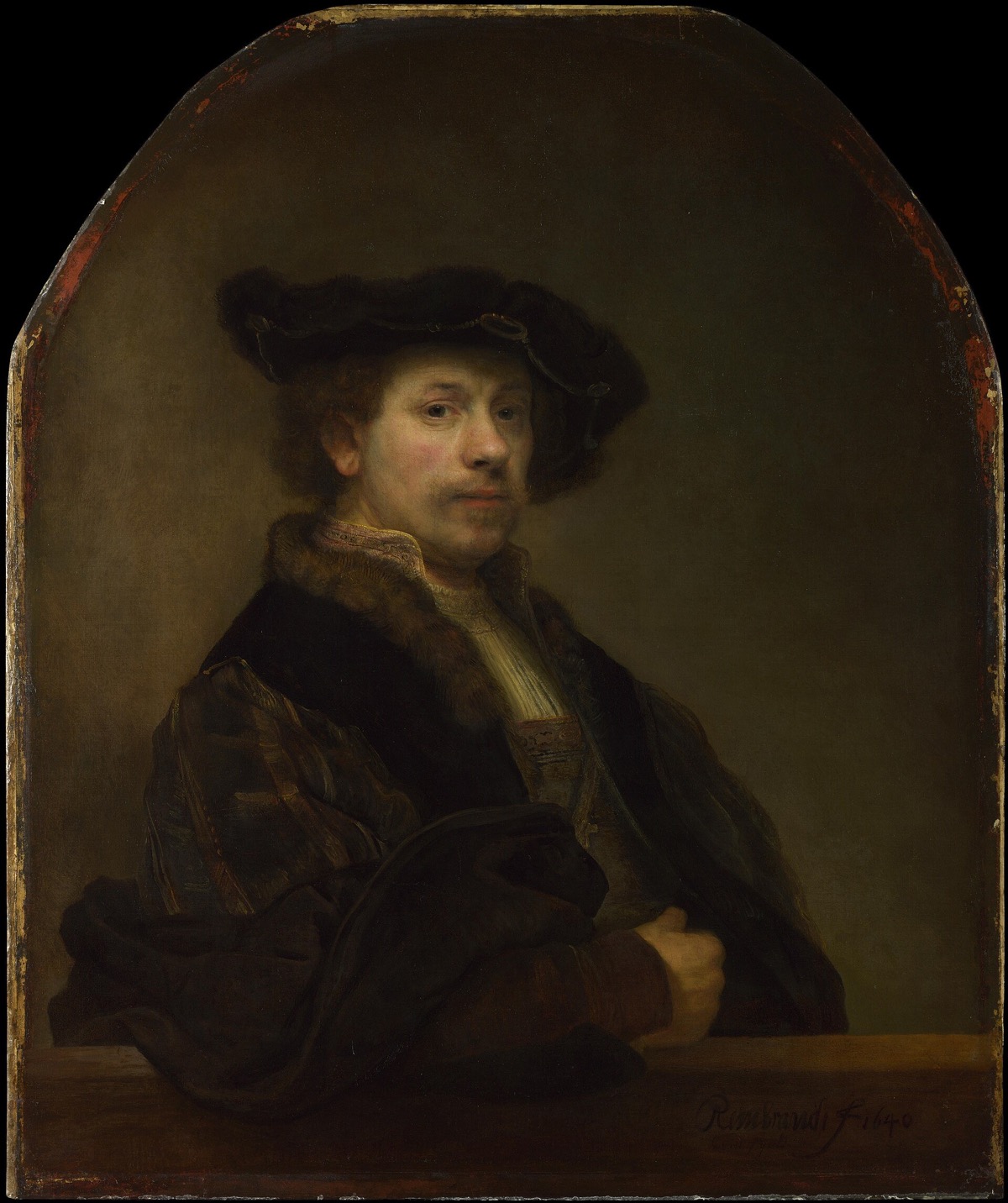
Painter, 1606 to 1669
Rembrandt
The National Gallery has more than twenty Rembrandts, among them two self-portraits painted twenty-nine years apart and Belshazzar's Feast. Kenwood House, on Hampstead Heath, has one of the greatest of all his self-portraits.
Dutch Golden Age. 3 works in 2 museums
See the artist