Sculptor, 1598 to 1680
Gian Lorenzo Bernini
Bernini's sculpture never left Rome, with one exception. It stood over a fishpond in a cardinal's garden, was bought by an English painter, and has been in London since 1786.
- Born
- 1598, Naples, Italy
- Died
- 1680, Rome, Italy
- Movement
- Baroque
- In London
- 1 work in 1 museum
Where to see Gian Lorenzo Bernini in London
Each work with the museum it hangs in. Museums move and lend their works, so check before a special journey.
Victoria and Albert Museum1 work
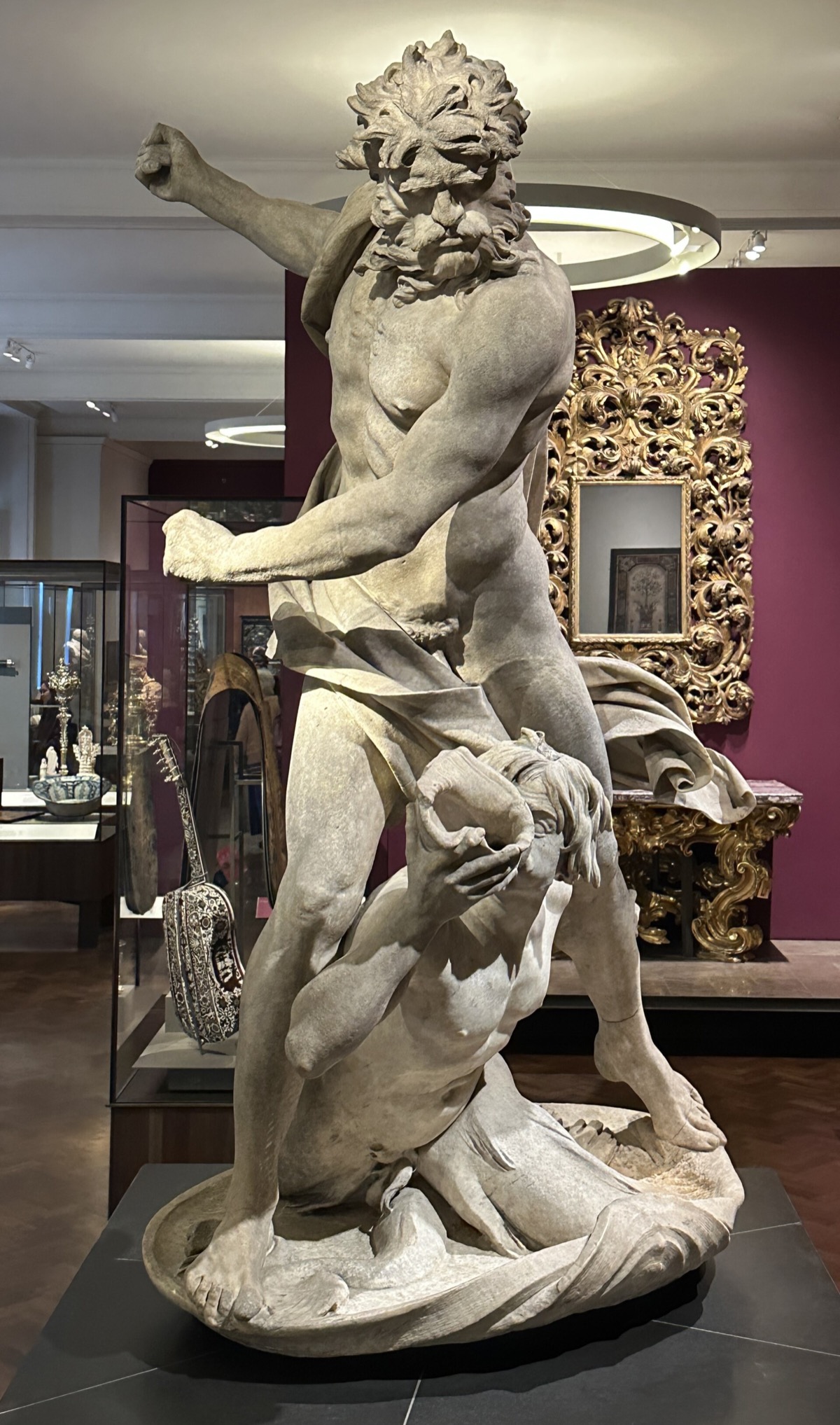
Neptune and Triton
1622 to 1623
The sea god strides forward driving his trident down, his cloak blown out behind him, with a triton blowing a shell between his legs. It was made to stand above a pool and to be seen from below.
The life of Gian Lorenzo Bernini
Bernini was born in Naples in 1598, the son of a sculptor, and was brought to Rome as a child. He was a prodigy. Cardinal Scipione Borghese gave him his first great commissions when he was barely twenty, and the four groups he carved for the cardinal are still in the villa they were made for.
Under Pope Urban VIII he became the architect of St Peter's, and gave the basilica its bronze canopy and later its square. He designed fountains, chapels, tombs and stage sets. He died in Rome in 1680 and is buried in Santa Maria Maggiore.
What to know
- Carved in 1622 and 1623 for the garden of the Villa Montalto in Rome
- Sir Joshua Reynolds bought it in 1786
- Born
- 7 December 1598, Naples, Italy
- Died
- 28 November 1680, Rome, Italy
Gian Lorenzo Bernini: common questions
- Where can you see Gian Lorenzo Bernini in London?
- At the Victoria and Albert Museum: Neptune and Triton. Museums move and lend their works, so check before a special journey.
- What is Gian Lorenzo Bernini's most famous work in London?
- Neptune and Triton, of 1622 to 1623, at the Victoria and Albert Museum. The sea god strides forward driving his trident down, his cloak blown out behind him, with a triton blowing a shell between his legs. It was made to stand above a pool and to be seen from below.
- When and where was Gian Lorenzo Bernini born?
- On 7 December 1598, at Naples, Italy. Gian Lorenzo Bernini died on 28 November 1680, at Rome, Italy, aged about 82.
- What is Gian Lorenzo Bernini known for?
- Carved in 1622 and 1623 for the garden of the Villa Montalto in Rome. Sir Joshua Reynolds bought it in 1786. Gian Lorenzo Bernini was an Italian sculptor, of the Baroque.
Tickets and tours: Gian Lorenzo Bernini in London
Things to do near the Victoria and Albert Museum
The nearest of this site's best things to do in the city. Distances are in a straight line.
- 12Meet the blue whale at the Natural History Museum300 m awayMuseum, 2 to 3 hours, free
- 18Walk across Hyde Park to Kensington Palace1.4 km awayGarden, 2 to 3.5 hours, park free, ticket for the palace
- 5Watch the Changing of the Guard at Buckingham Palace2.2 km awayMonument, 1 to 2.5 hours, free to watch
- 14Go underground at the Churchill War Rooms3.0 km awayUnderground, 1.5 to 2 hours, ticket
Where to eat near the Victoria and Albert Museum
The nearest of the famous tables this site lists in London. Distances are in a straight line.
- V&A Café4.2Museum café, South Kensington100 m away
- Scott's4.6Seafood restaurant, Mayfair2.1 km away
- The Wolseley4.4Grand café, Piccadilly2.5 km away
- Wiltons4.7Oyster and game restaurant, St James's2.6 km away
Hotels near the Victoria and Albert Museum
The five-star hotels closest to it, of those this site lists in London. Distances are in a straight line.
- Mandarin Oriental Hyde Park4.7Five-star hotel, Knightsbridge, backing onto Hyde Park1.0 km away
- The Milestone Hotel4.8Five-star hotel, Kensington Court, facing Kensington Palace1.2 km away
- The Lanesborough4.7Five-star hotel, Hyde Park Corner1.5 km away
- The Dorchester4.6Five-star hotel, Park Lane, facing Hyde Park1.8 km away
Other artists
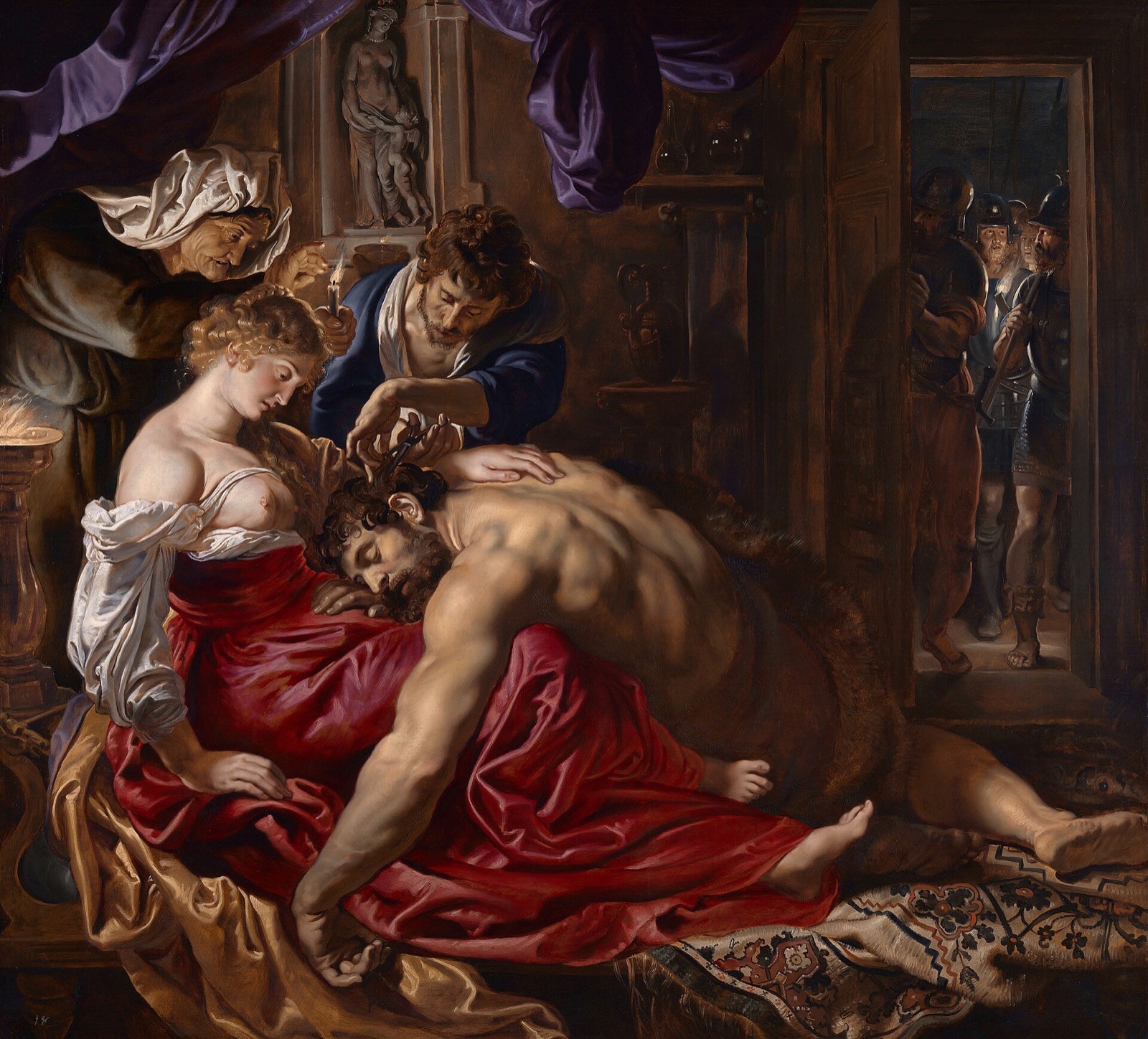
Painter, 1577 to 1640
Peter Paul Rubens
The National Gallery has Rubens's Samson and Delilah and the landscape of his own country house, Het Steen. Its companion, The Rainbow Landscape, is in the Wallace Collection, and his only ceiling still in place is in Whitehall.
Baroque. 3 works in 2 museums
See the artist
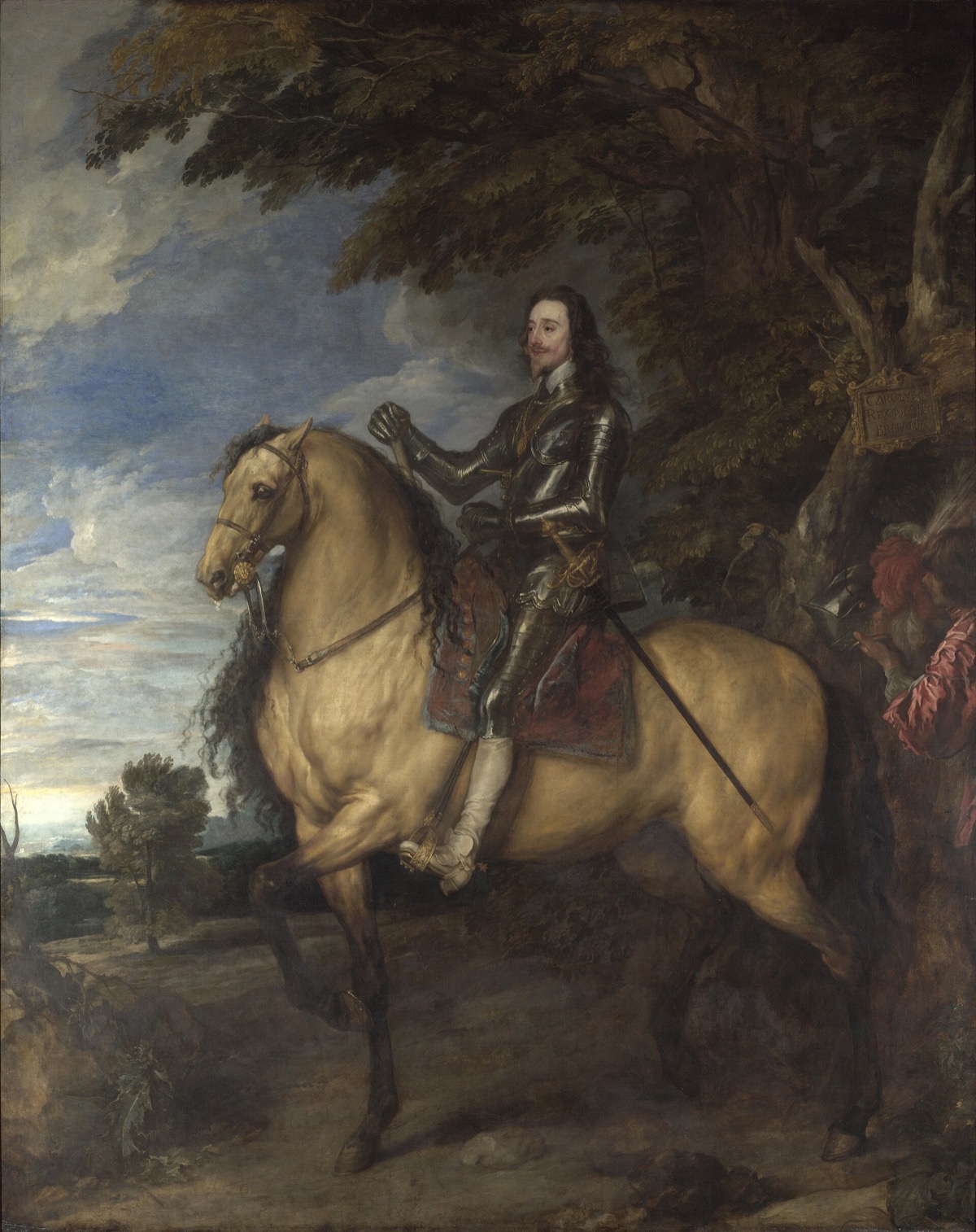
Painter, 1599 to 1641
Anthony van Dyck
Van Dyck came to London to paint Charles I and gave the English court the look it is remembered by. The National Gallery has the king on horseback, and the National Portrait Gallery has the painter's last self-portrait.
Baroque. 3 works in 2 museums
See the artist
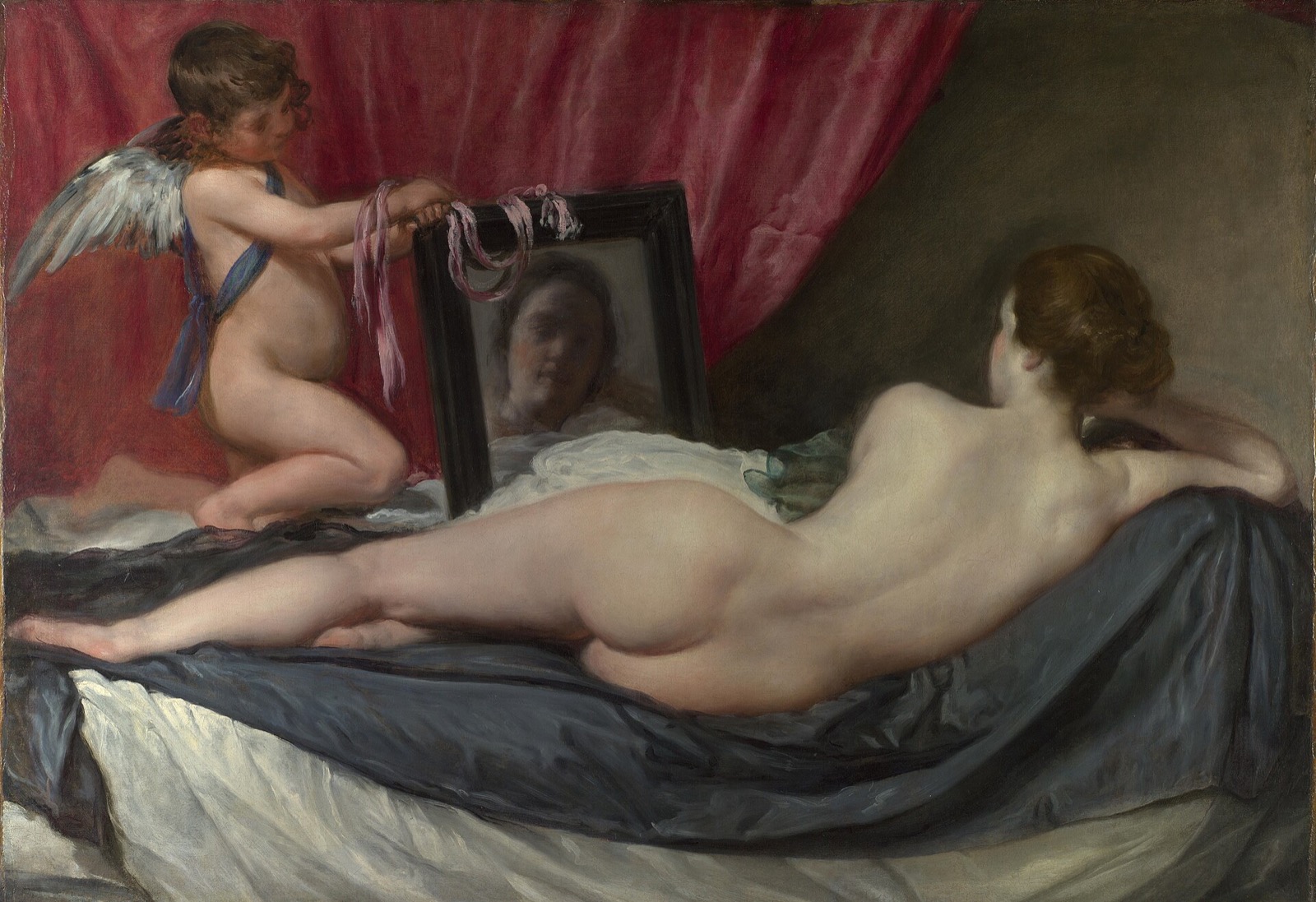
Painter, 1599 to 1660
Diego Velázquez
The National Gallery has the Rokeby Venus, the only nude by Velázquez to survive, with his Philip IV. The Wallace Collection has The Lady with a Fan.
Baroque. 2 works in 2 museums
See the artist