Painter, 1577 to 1640
Peter Paul Rubens
Rubens came to London in 1629 as a diplomat, made peace between England and Spain, and was knighted by Charles I. The king's reward was a commission: the ceiling of the Banqueting House.
- Born
- 1577, Siegen, Germany
- Died
- 1640, Antwerp, Belgium
- Movement
- Baroque
- In London
- 3 works in 2 museums
Where to see Peter Paul Rubens in London
Each work with the museum it hangs in. Museums move and lend their works, so check before a special journey.
The National Gallery2 works
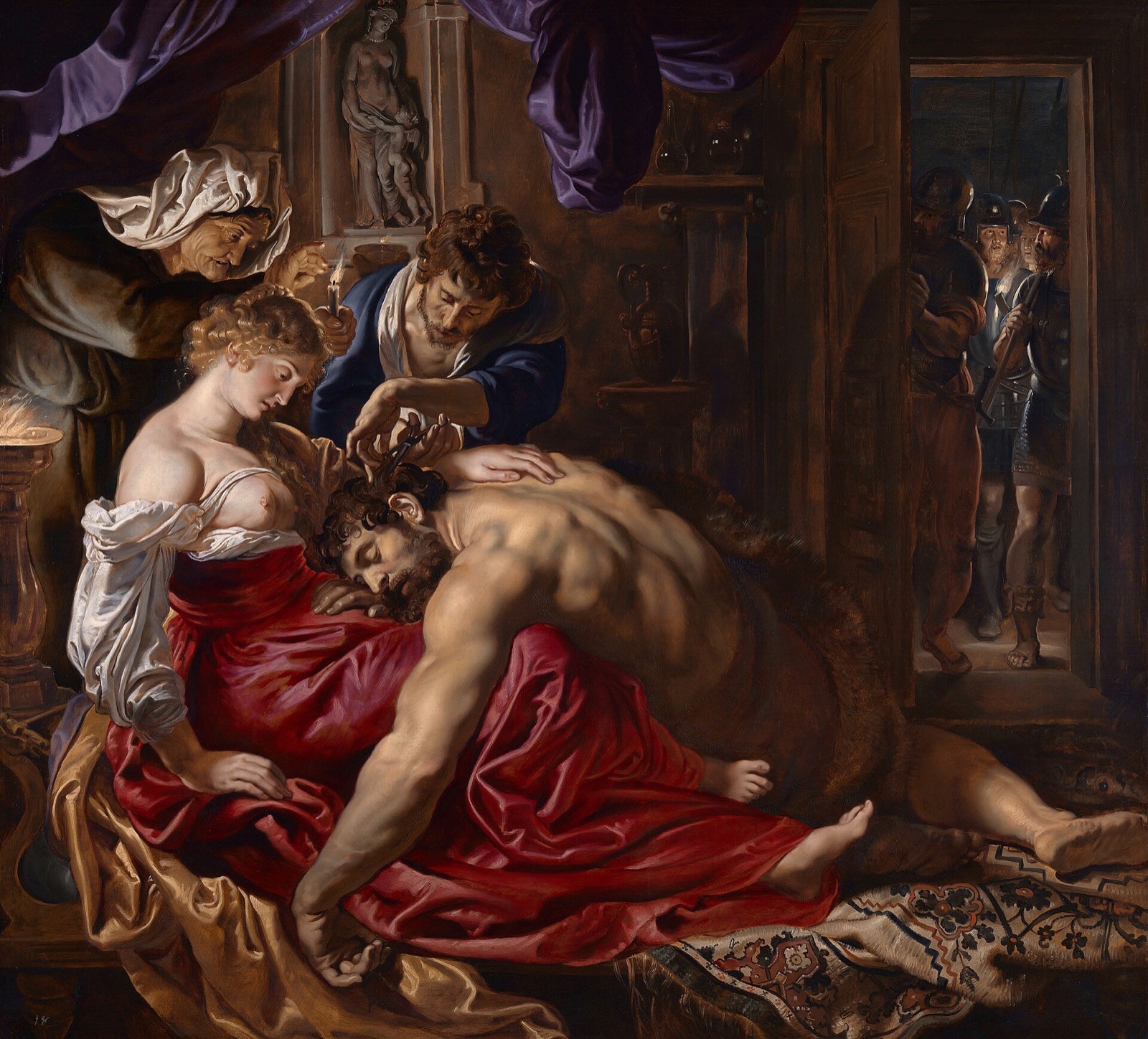
Samson and Delilah
about 1609 to 1610
Samson sleeps across Delilah's lap by candlelight while a barber cuts his hair and soldiers wait at the door. Painted for the mayor of Antwerp, to hang over his fireplace.
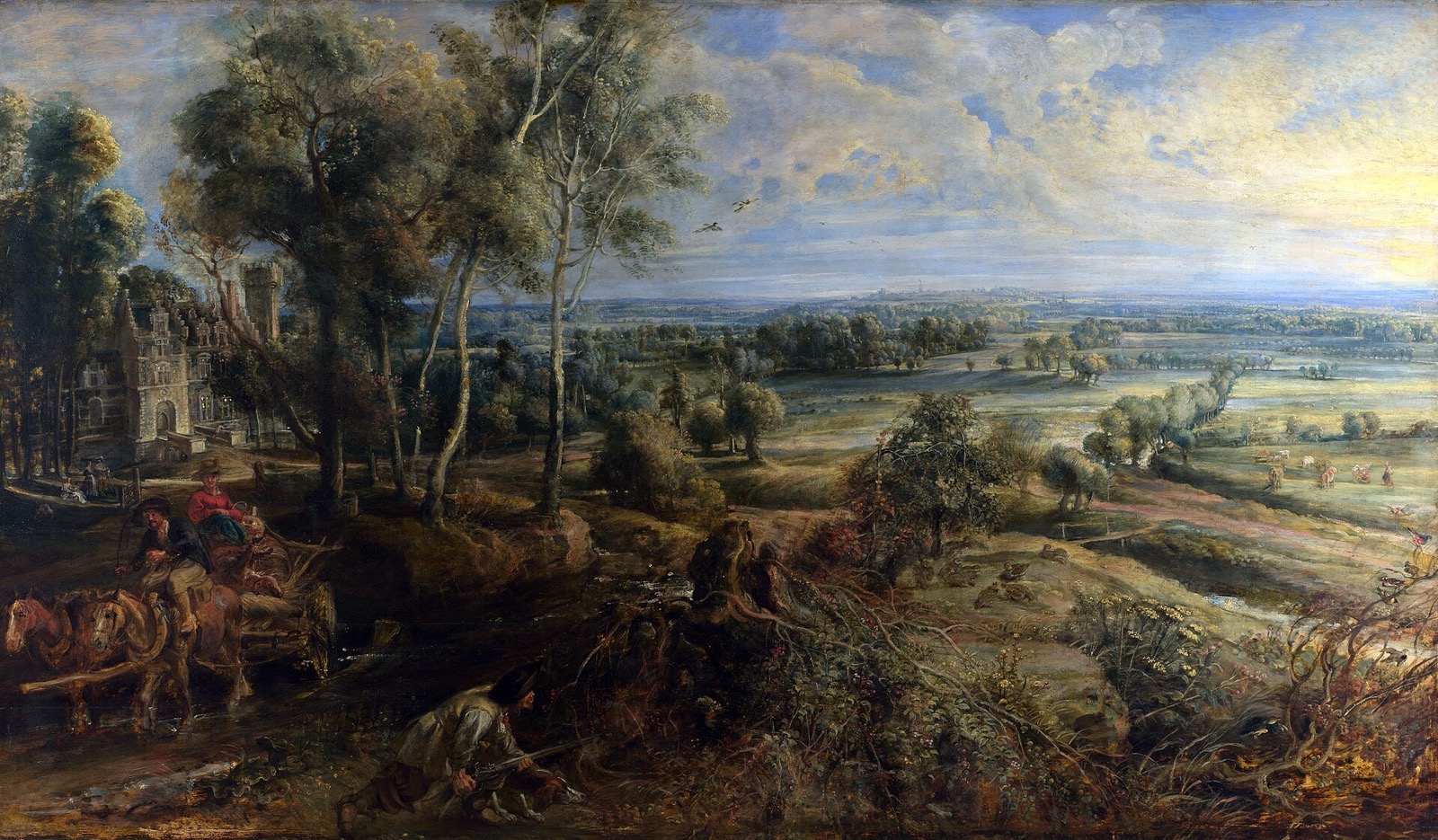
A View of Het Steen in the Early Morning
probably 1636
The manor house Rubens bought at fifty-eight, with a cart leaving for market and a hunter stalking partridges, and the flat fields of Brabant running to a low sun.
The Wallace Collection1 work
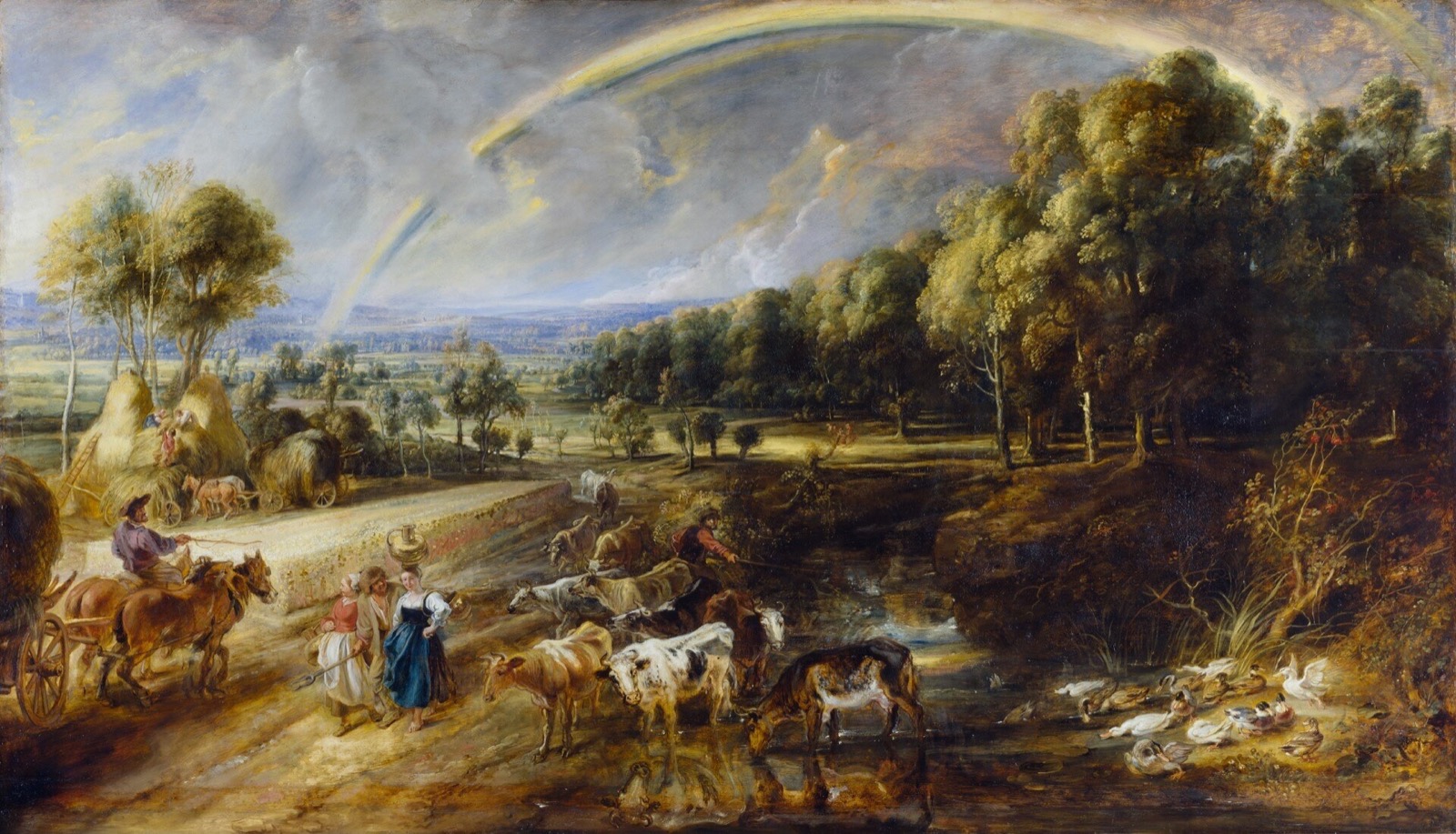
The Rainbow Landscape
about 1636
The same estate at the end of the day, after rain: haymakers, cattle, ducks, and a double rainbow over all of it.
The life of Peter Paul Rubens
Rubens was born in 1577 and grew up in Antwerp. He left for Italy in 1600 and stayed until 1608, in the service of the Duke of Mantua. In Rome he won the most sought-after commission of the day, the high altar of the new church of the Oratorians.
Back in Antwerp he ran the busiest workshop in Europe, served as a diplomat between Spain and England, and was knighted by both. He died in 1640.
What to know
- Knighted by Charles I in 1630
- His ceiling in the Banqueting House, Whitehall, is the only one by him still where it was painted
- Het Steen and The Rainbow Landscape were painted as a pair and are now a mile apart
- Born
- 28 June 1577, Siegen, Germany
- Died
- 30 May 1640, Antwerp, Belgium
Peter Paul Rubens: common questions
- Where can you see Peter Paul Rubens in London?
- At the National Gallery: Samson and Delilah and A View of Het Steen in the Early Morning. At the Wallace Collection: The Rainbow Landscape. Museums move and lend their works, so check before a special journey.
- What is Peter Paul Rubens's most famous work in London?
- Samson and Delilah, of about 1609 to 1610, at the National Gallery. Samson sleeps across Delilah's lap by candlelight while a barber cuts his hair and soldiers wait at the door. Painted for the mayor of Antwerp, to hang over his fireplace.
- When and where was Peter Paul Rubens born?
- On 28 June 1577, at Siegen, Germany. Peter Paul Rubens died on 30 May 1640, at Antwerp, Belgium, aged about 63.
- What is Peter Paul Rubens known for?
- Knighted by Charles I in 1630. His ceiling in the Banqueting House, Whitehall, is the only one by him still where it was painted. Het Steen and The Rainbow Landscape were painted as a pair and are now a mile apart. Peter Paul Rubens was a Flemish painter, of the Baroque.
Tickets and tours: Peter Paul Rubens in London
Things to do near the National Gallery
The nearest of this site's best things to do in the city. Distances are in a straight line.
- 16Spend an evening in Covent Garden and the West End450 m awayShow, 2 to 5 hours, free to walk, theatre ticket
- 14Go underground at the Churchill War Rooms750 m awayUnderground, 1.5 to 2 hours, ticket
- 6Ride the London Eye900 m awayMonument, 1 to 1.5 hours, ticket
- 11Hear Big Ben strike at the Houses of Parliament950 m awayMonument, 45 to 150 minutes, free outside, ticket to go in
Where to eat near the National Gallery
The nearest of the famous tables this site lists in London. Distances are in a straight line.
- Ochre4.4Museum restaurant, Trafalgar Square50 m away
- J Sheekey4.5Fish restaurant, Covent Garden250 m away
- Gordon's Wine Bar4.6Wine bar, Embankment350 m away
- Rules4.6Grand restaurant, Covent Garden400 m away
Hotels near the National Gallery
The five-star hotels closest to it, of those this site lists in London. Distances are in a straight line.
- Corinthia London4.7Five-star hotel, Whitehall Place, by the Embankment400 m away
- Raffles London at The OWO4.7Five-star hotel, Whitehall, opposite Horse Guards450 m away
- The Savoy4.7Five-star hotel, The Strand, on the Thames550 m away
- The Ritz London4.6Five-star hotel, Piccadilly, beside Green Park950 m away
Other artists
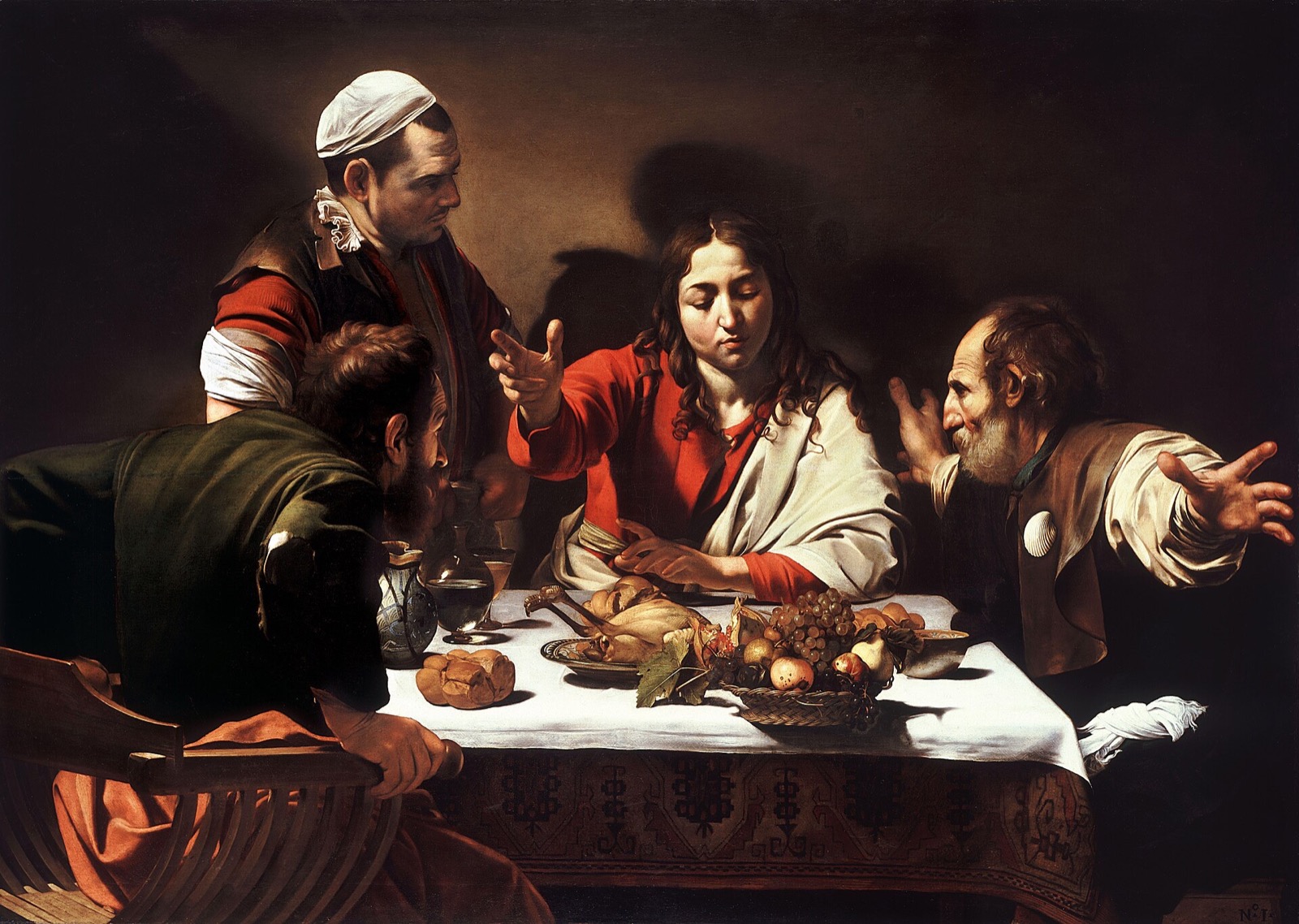
Painter, 1571 to 1610
Caravaggio
The National Gallery has three Caravaggios, one from each part of his short career, with The Supper at Emmaus of 1601 at their centre.
Baroque. 2 works in 1 museum
See the artist
Picture: APK, CC BY 4.0
Sculptor, 1598 to 1680
Gian Lorenzo Bernini
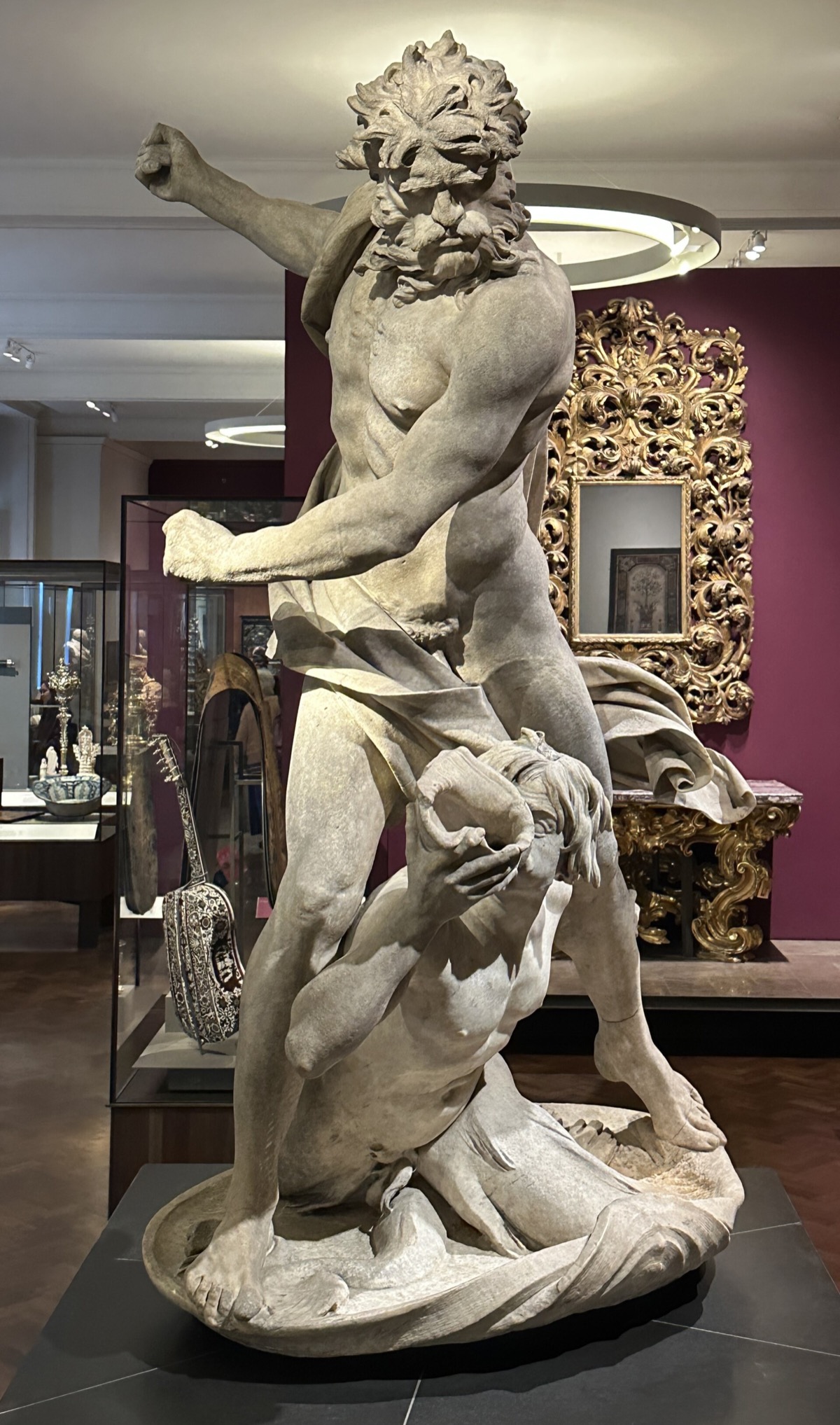
The Victoria and Albert Museum has Neptune and Triton, the one large marble group by Bernini outside Italy, carved when he was in his early twenties.
Baroque. 1 work in 1 museum
See the artist
Painter, 1599 to 1641
Anthony van Dyck
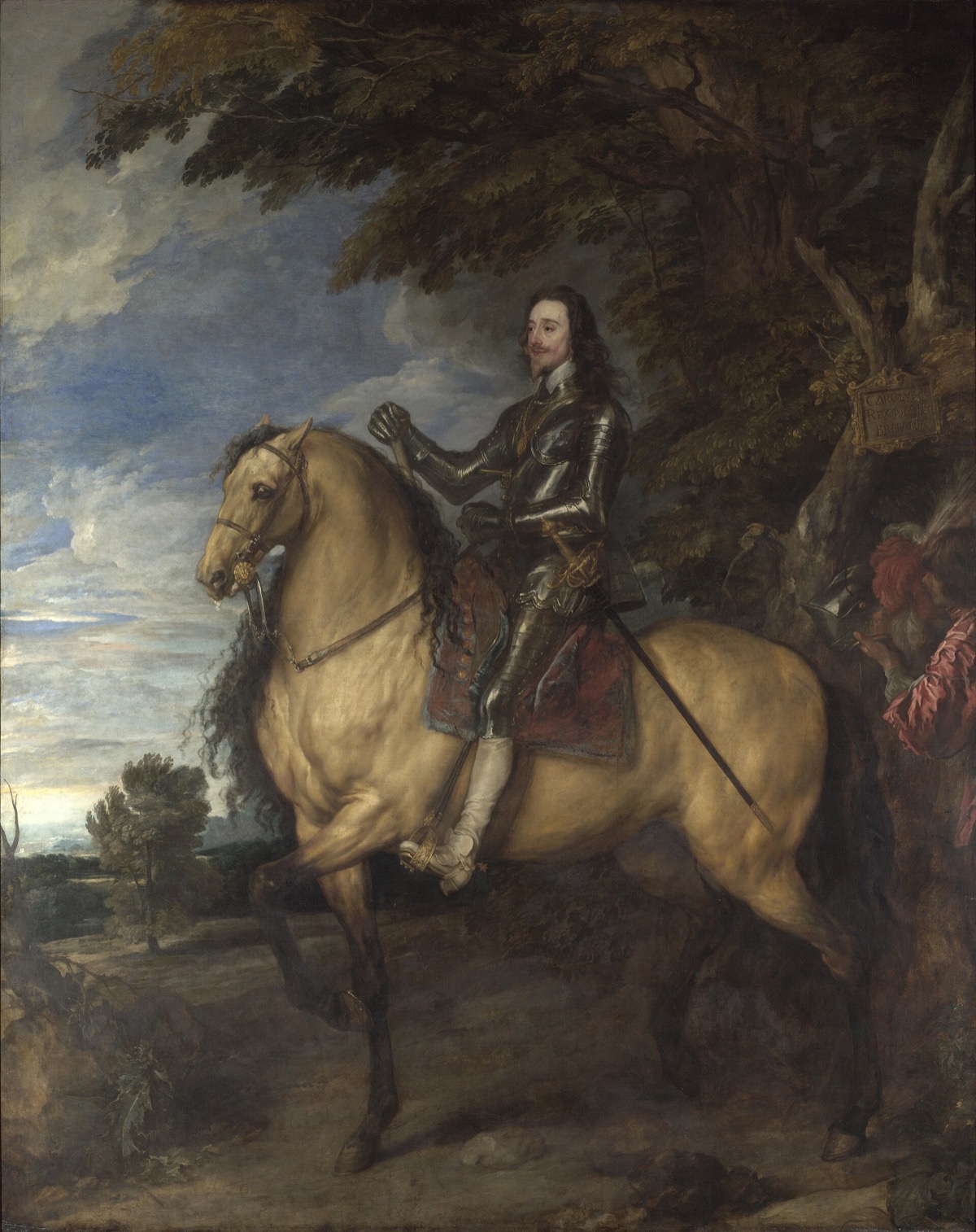
Van Dyck came to London to paint Charles I and gave the English court the look it is remembered by. The National Gallery has the king on horseback, and the National Portrait Gallery has the painter's last self-portrait.
Baroque. 3 works in 2 museums
See the artist