Painter, 1606 to 1669
Rembrandt
The American collectors of the Gilded Age wanted Rembrandt above every other painter, and paid whatever it took. What they bought is now on Fifth Avenue.
- Born
- 1606, Leiden, Netherlands
- Died
- 1669, Amsterdam, Netherlands
- Movement
- Dutch Golden Age
- In New York
- 4 works in 2 museums
Where to see Rembrandt in New York
Each work with the museum it hangs in. Museums move and lend their works, so check before a special journey.
The Metropolitan Museum of Art2 works
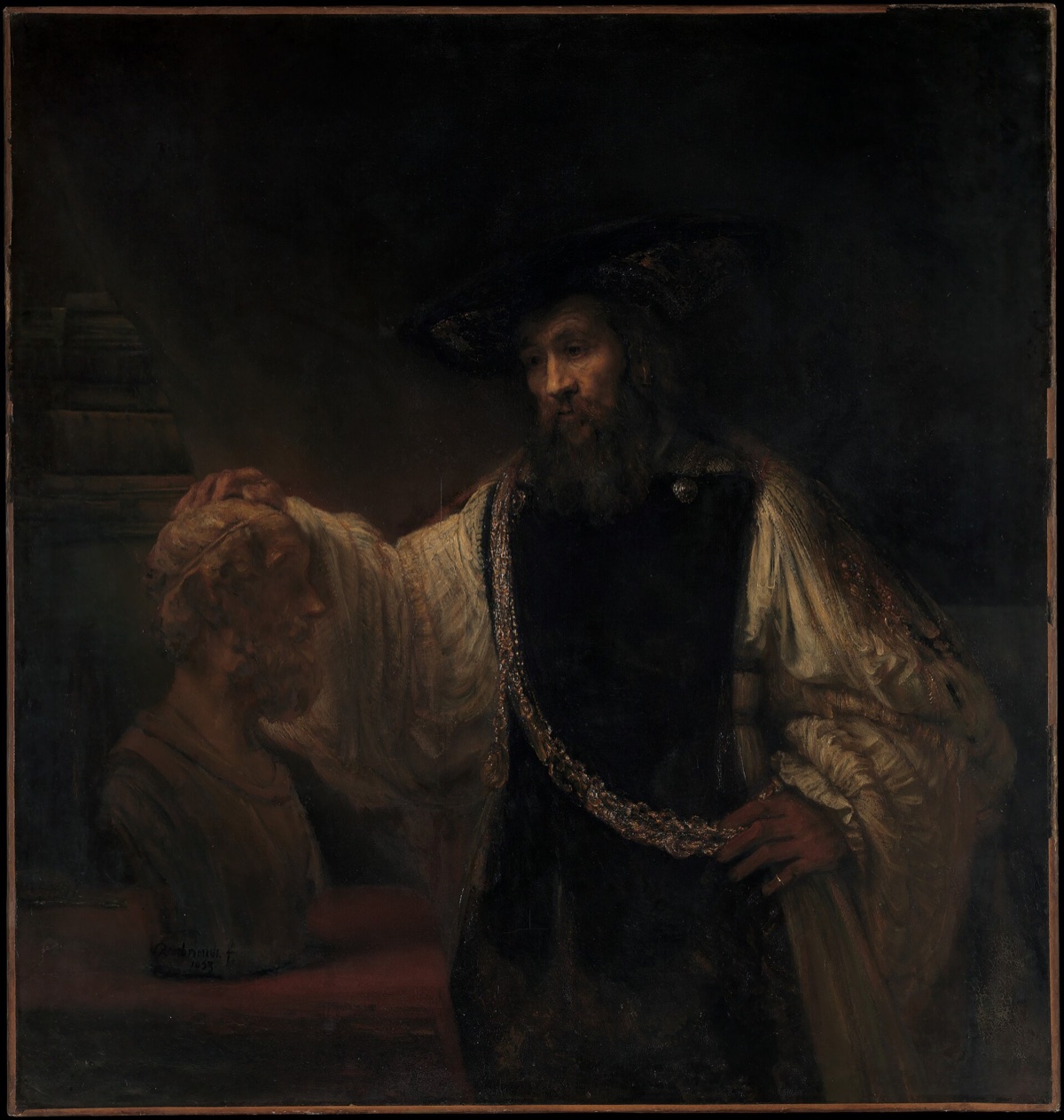
Aristotle with a Bust of Homer
1653
The philosopher, in the sleeves of a Renaissance prince, rests his hand on the head of the blind poet and thinks. A nobleman of Messina ordered it from Rembrandt by letter, and it sailed to Sicily.
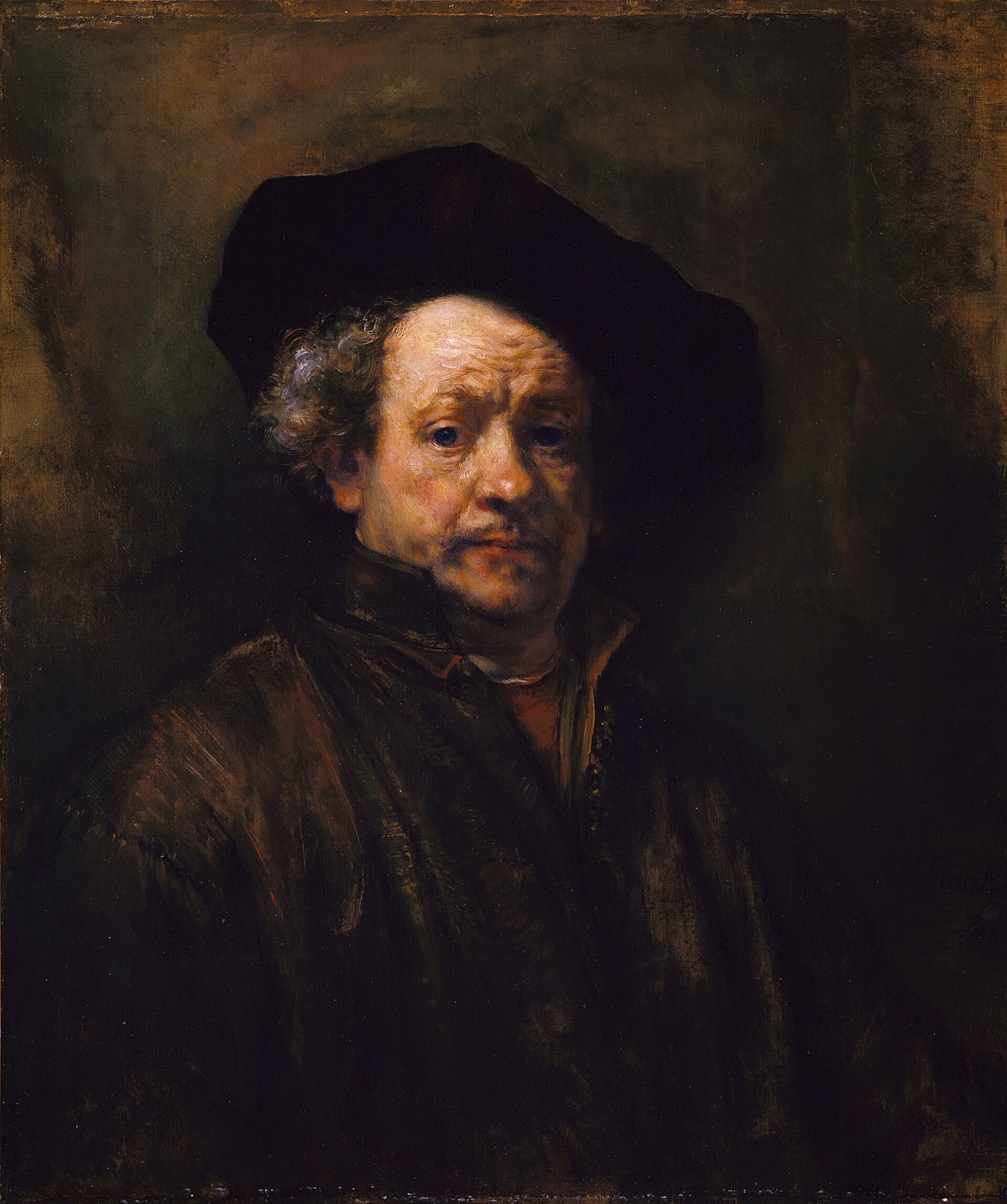
Self-Portrait
1660
Rembrandt at fifty-four, in a painter's cap, four years after his bankruptcy. He does not flatter the face.
Frick Collection2 works
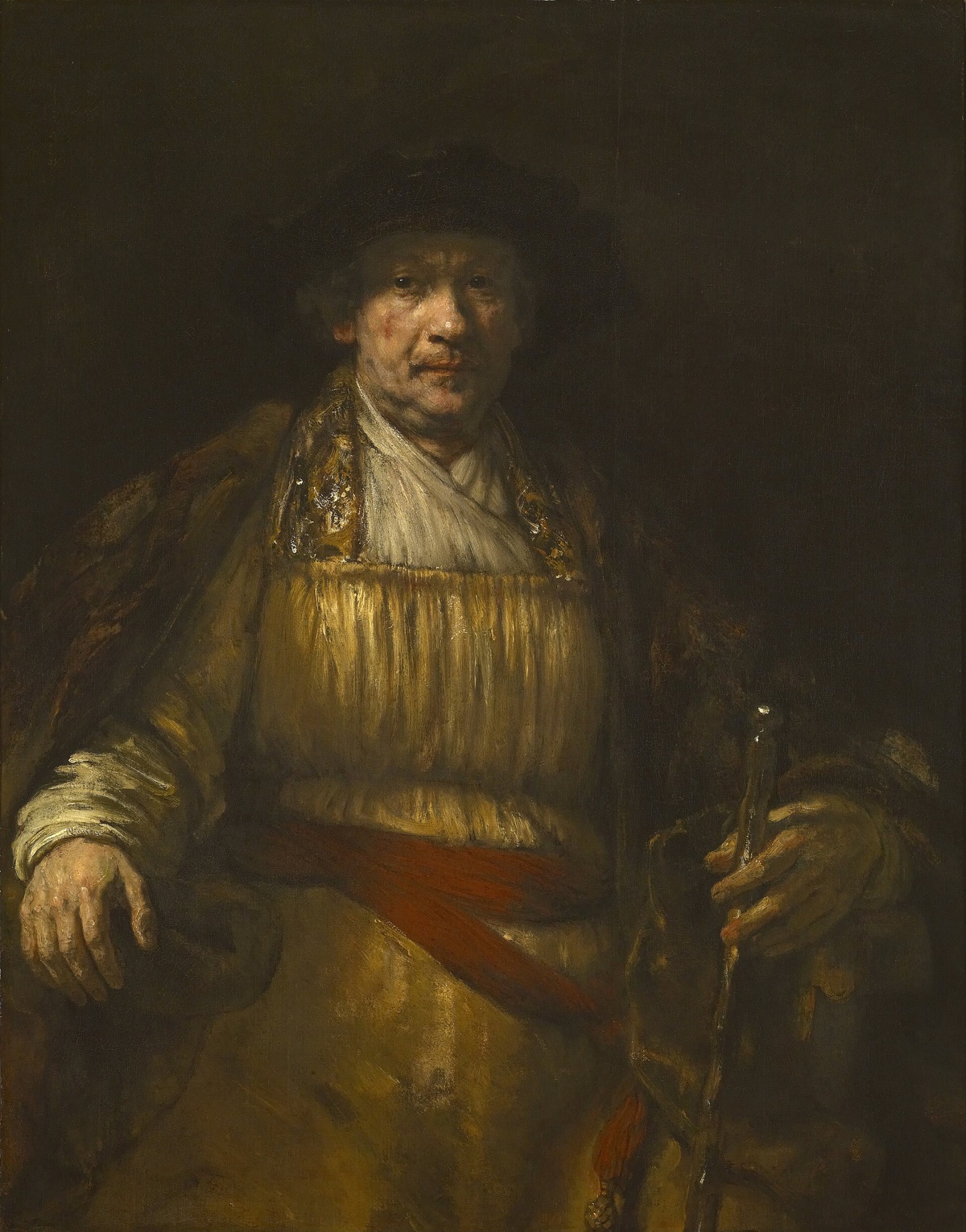
Self-Portrait
1658
The largest of his self-portraits: seated square to us in a gold tunic with a stick in his hand, like a king on a throne, in the worst year of his fortunes. It hangs in the West Gallery.
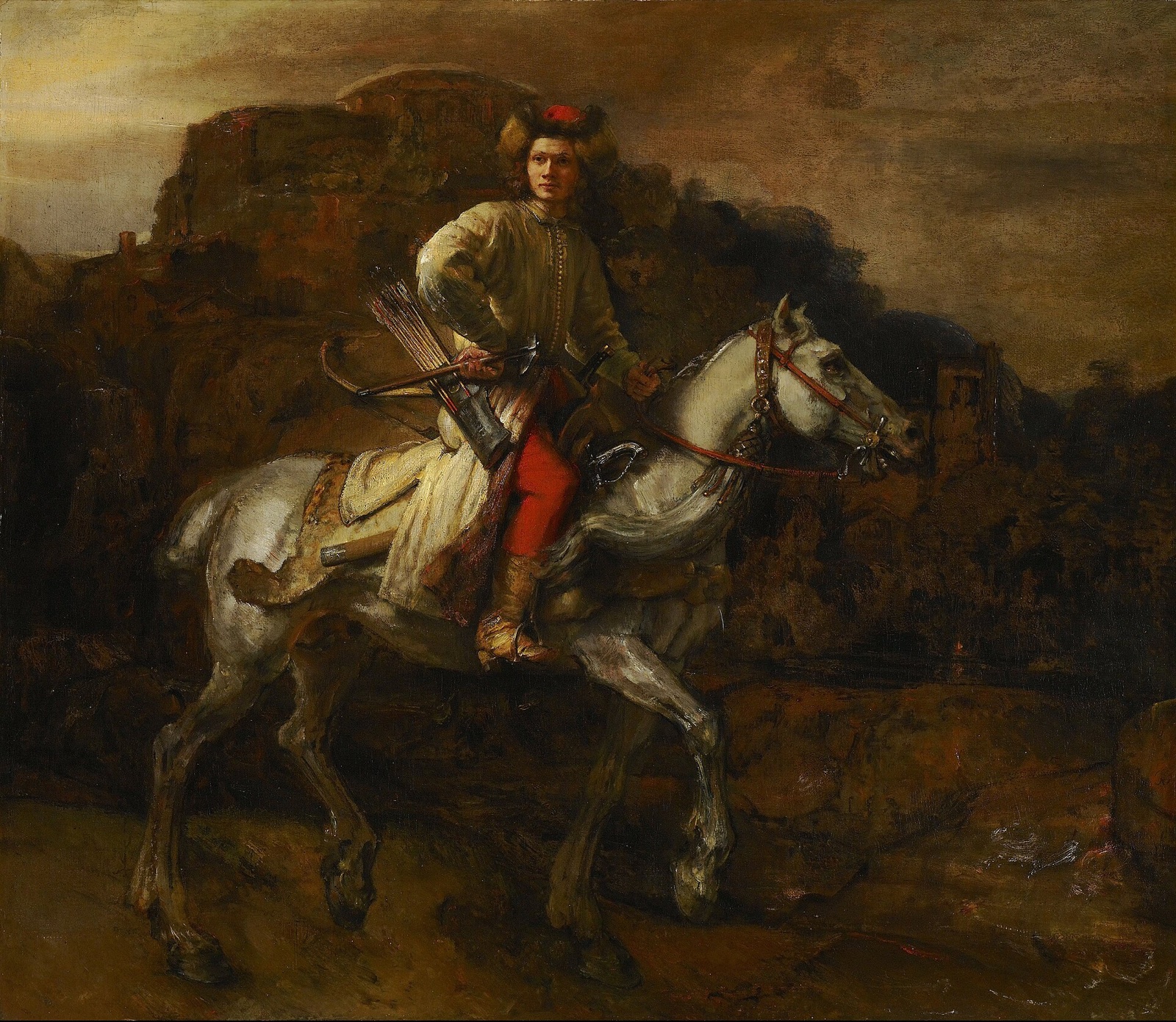
The Polish Rider
about 1655
A young horseman in a fur cap rides through a dark landscape, looking back. Nobody knows who he is or what the picture meant, which is part of its hold.
The life of Rembrandt
Rembrandt van Rijn was born in Leiden in 1606 and worked in Amsterdam from 1631 until his death in 1669. He was the most sought-after portrait painter of the city in his thirties and a bankrupt at fifty, and it is the paintings of his last, poorer years that are now thought his greatest.
They reached New York from the 1880s onwards, as bankers and industrialists bought from the old collections of Europe. Henry Clay Frick hung his Rembrandts in the house he built on Fifth Avenue. The Metropolitan Museum received others by gift, and in 1961 paid 2.3 million dollars at auction for the Aristotle, then the highest price ever given for a painting.
What to know
- Aristotle with a Bust of Homer cost the Met a record price in 1961
- The Frick's self-portrait of 1658 is the largest he painted
- The Met has one of the biggest groups of his paintings outside the Netherlands
- Born
- 15 July 1606, Leiden, Netherlands
- Died
- 4 October 1669, Amsterdam, Netherlands
Rembrandt: common questions
- Where can you see Rembrandt in New York?
- At the Metropolitan Museum of Art: Aristotle with a Bust of Homer and Self-Portrait. At the Frick Collection: Self-Portrait and The Polish Rider. Museums move and lend their works, so check before a special journey.
- What is Rembrandt's most famous work in New York?
- Aristotle with a Bust of Homer, of 1653, at the Metropolitan Museum of Art. The philosopher, in the sleeves of a Renaissance prince, rests his hand on the head of the blind poet and thinks. A nobleman of Messina ordered it from Rembrandt by letter, and it sailed to Sicily.
- When and where was Rembrandt born?
- On 15 July 1606, at Leiden, Netherlands. Rembrandt died on 4 October 1669, at Amsterdam, Netherlands, aged about 63.
- What is Rembrandt known for?
- Aristotle with a Bust of Homer cost the Met a record price in 1961. The Frick's self-portrait of 1658 is the largest he painted. The Met has one of the biggest groups of his paintings outside the Netherlands. Rembrandt was a Dutch painter, of the Dutch Golden Age.
Tickets and tours: Rembrandt in New York
Things to do near the Met
The nearest of this site's best things to do in the city. Distances are in a straight line.
- 13Walk down the spiral of the Guggenheim550 m awayMuseum, 1.5 to 2 hours, ticket
- 4Walk through Central Park900 m awayGarden, 2 to 4 hours, free
- 11Meet the dinosaurs at the Museum of Natural History950 m awayMuseum, 2.5 to 4 hours, ticket
- 18See the Frick's Vermeers in the house they were bought for1.0 km awayMuseum, 1.5 to 2 hours, ticket
Where to eat near the Met
The nearest of the famous tables this site lists in New York. Distances are in a straight line.
- Café Sabarsky4.3Viennese café, Inside the Neue Galerie300 m away
- Barney Greengrass4.4Appetizing shop and restaurant, Upper West Side1.4 km away
- Tavern on the Green4.4Restaurant in the park, Inside Central Park1.4 km away
- P.J. Clarke's4.5Saloon, Midtown East2.3 km away
Hotels near the Met
The five-star hotels closest to it, of those this site lists in New York. Distances are in a straight line.
- The Mark4.5Five-star hotel, Madison Avenue at 77th Street450 m away
- The Surrey4.4Five-star hotel, Madison Avenue at 76th Street550 m away
- The Pierre4.5Five-star hotel, Fifth Avenue at 61st Street1.7 km away
- The Sherry-Netherland4.6Five-star hotel, Fifth Avenue at 59th Street1.8 km away
Other artists
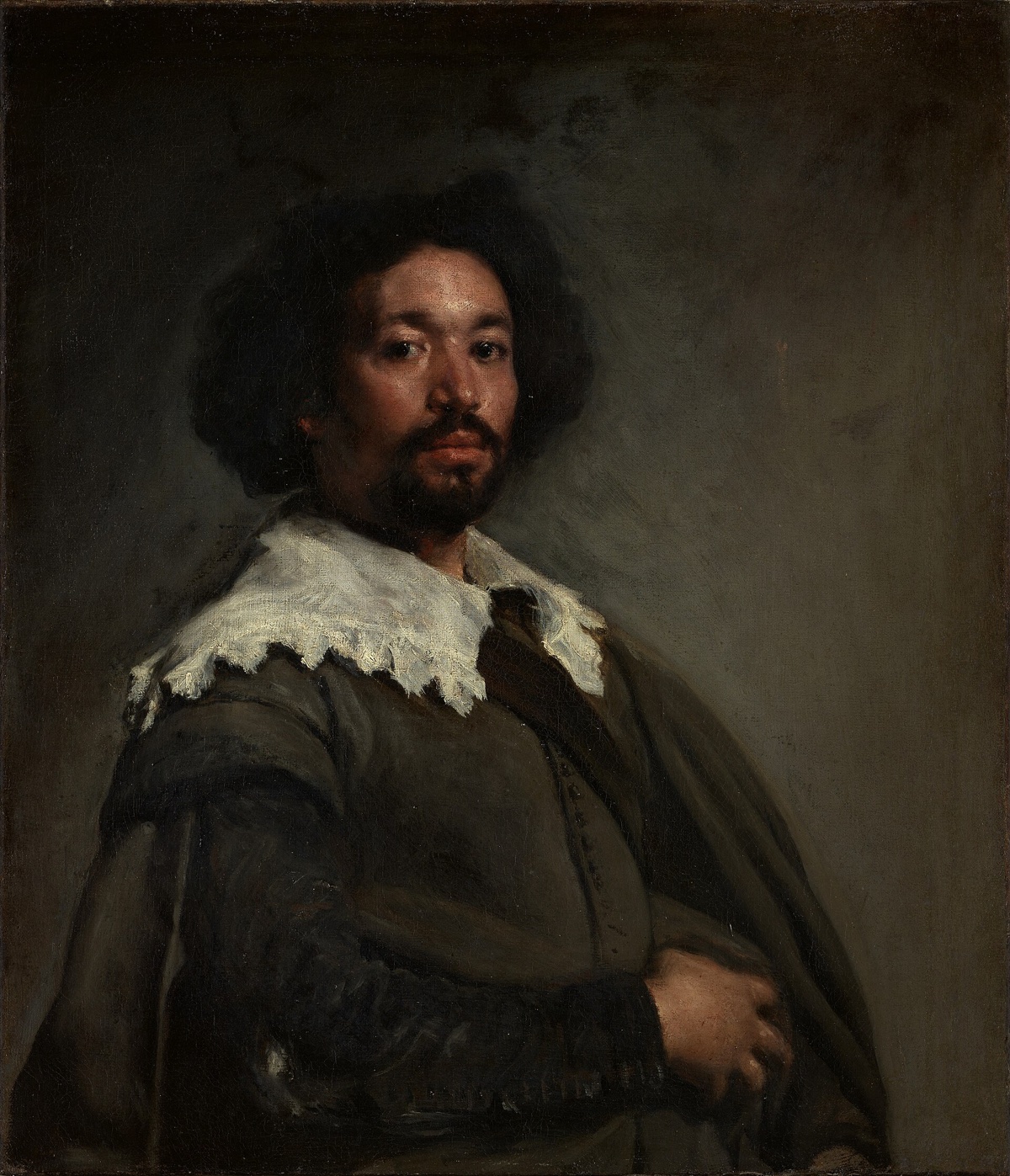
Painter, 1599 to 1660
Diego Velázquez
The Met has Velázquez's portrait of Juan de Pareja, the enslaved assistant he freed. The Frick has his Philip IV, painted on campaign in three sittings.
Baroque. 2 works in 2 museums
See the artist
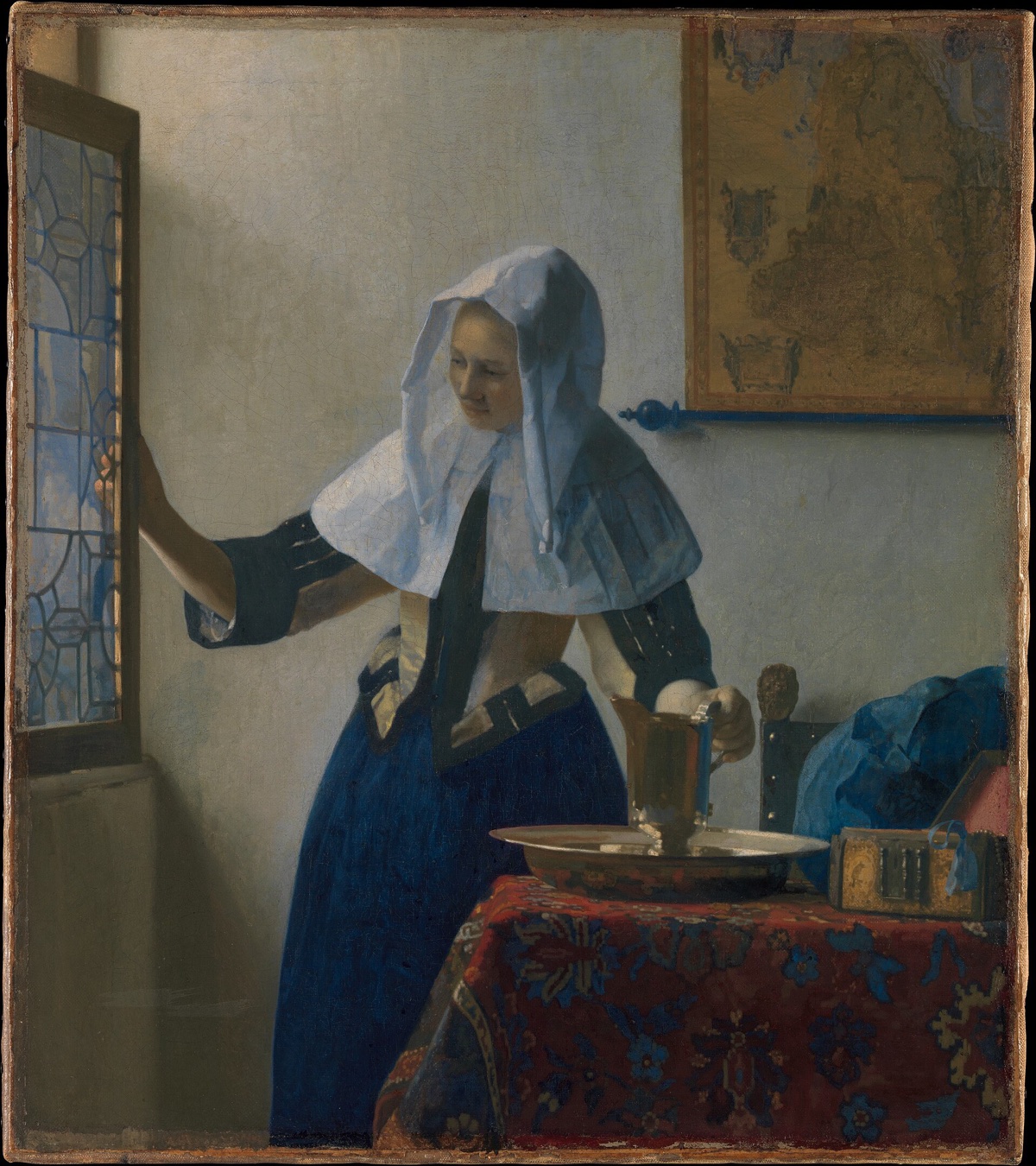
Painter, 1632 to 1675
Johannes Vermeer
About thirty-five paintings by Vermeer survive, and eight of them are in New York: five at the Met and three at the Frick, ten minutes' walk apart.
Dutch Golden Age. 8 works in 2 museums
See the artist
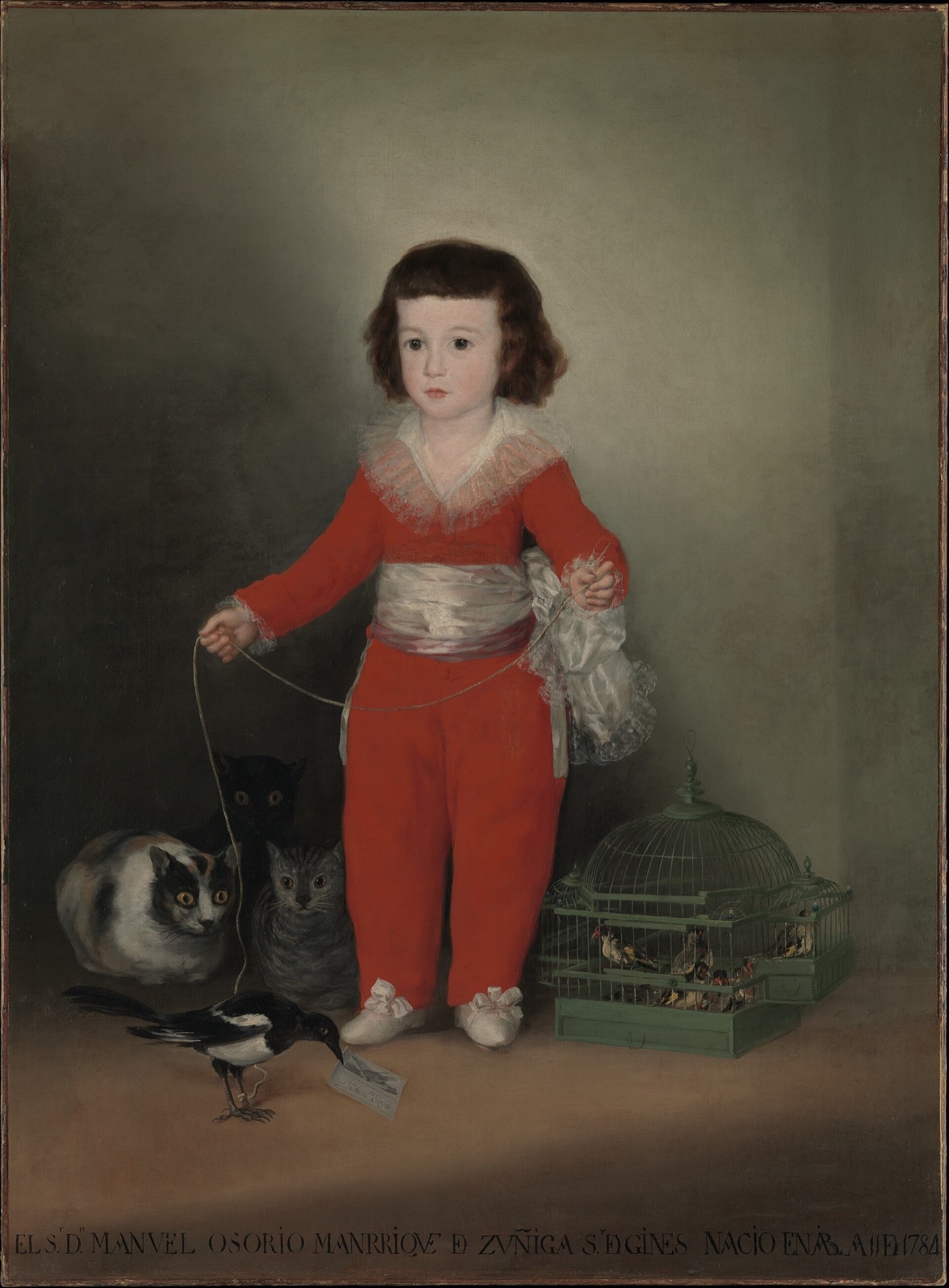
Painter, 1746 to 1828
Francisco Goya
The Met has Goya's portrait of a small boy in red with his pet magpie and three cats, one of the best-loved pictures in the museum. The Frick has The Forge.
Romanticism. 3 works in 2 museums
See the artist