24 artists in the museums, in order of birthArtists to see in New York
The most famous artists in the museums of New York, and where to stand in front of their work: who they were, what they made, and the museum it hangs in.
- 24
- Artists, in order of birth
- 88
- Works to look for
- 6
- Museums that hold them
- 1497
- The earliest born: Hans Holbein the Younger
Artists to see in New York
Show
All 24
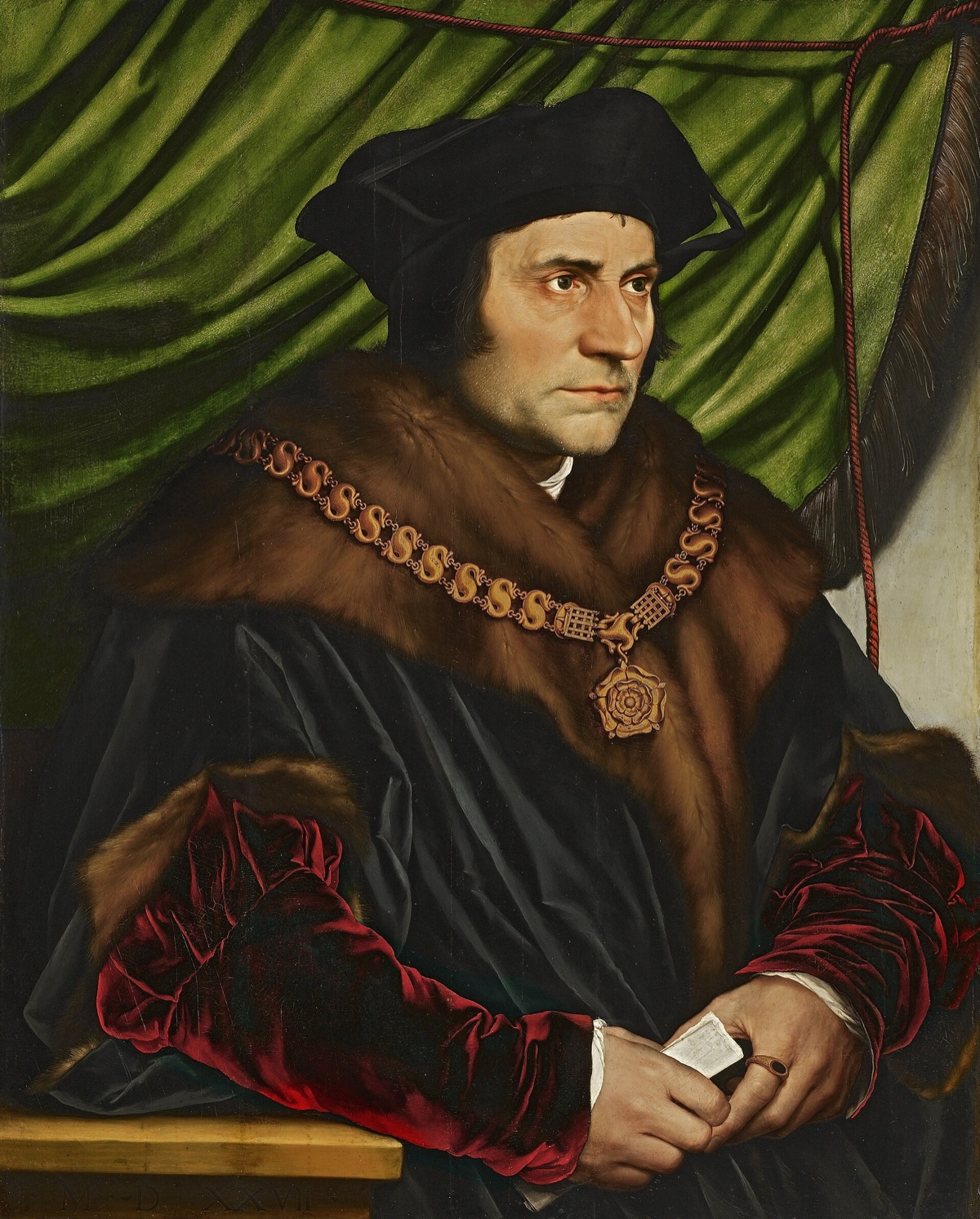
Painter, 1497 to 1543
Hans Holbein the Younger
Holbein's portraits of Thomas More and Thomas Cromwell, two ministers of Henry VIII who both went to the block, face each other across a fireplace at the Frick.
Northern Renaissance. 3 works in 2 museums
See the artist
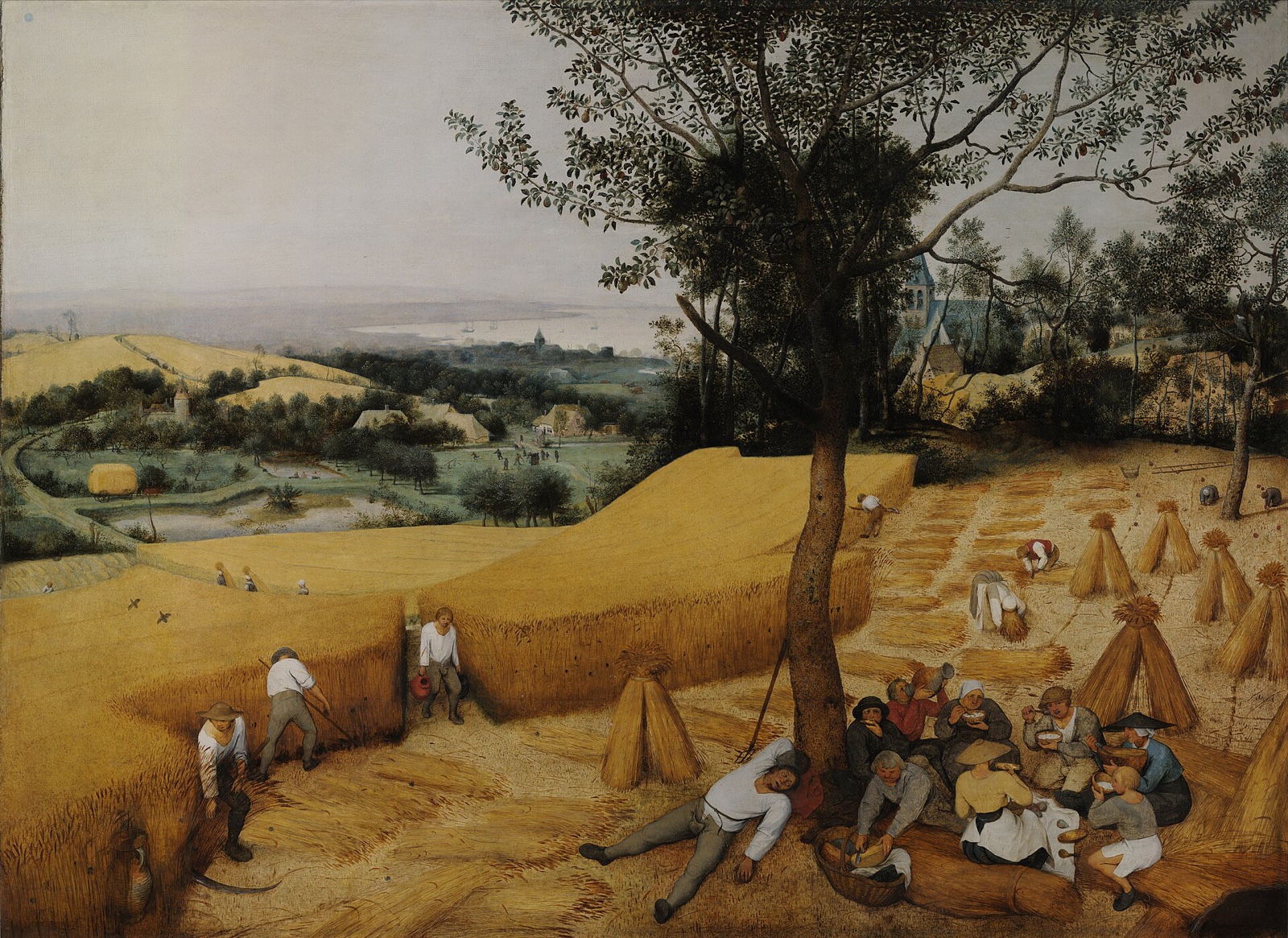
Painter, 1525 to 1569
Pieter Bruegel the Elder
Only about forty paintings by Bruegel survive, and one of the greatest is at the Met: The Harvesters, a whole summer's day in one wide landscape.
Northern Renaissance. 1 work in 1 museum
See the artist
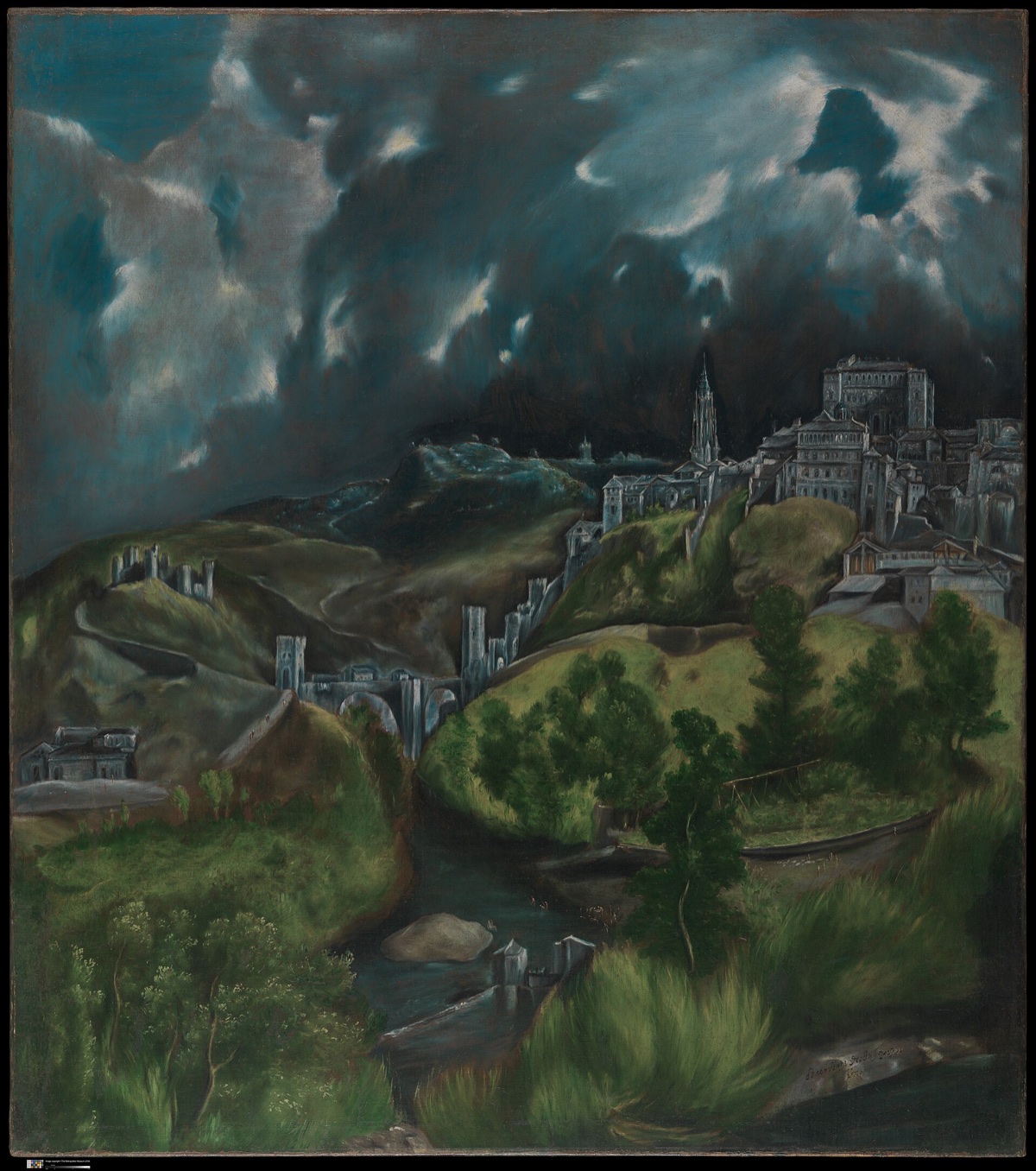
Painter, 1541 to 1614
El Greco
The Met has El Greco's View of Toledo, the most famous stormy sky in painting, with his Portrait of a Cardinal and The Vision of Saint John. The Frick has two more.
Mannerism. 4 works in 2 museums
See the artist
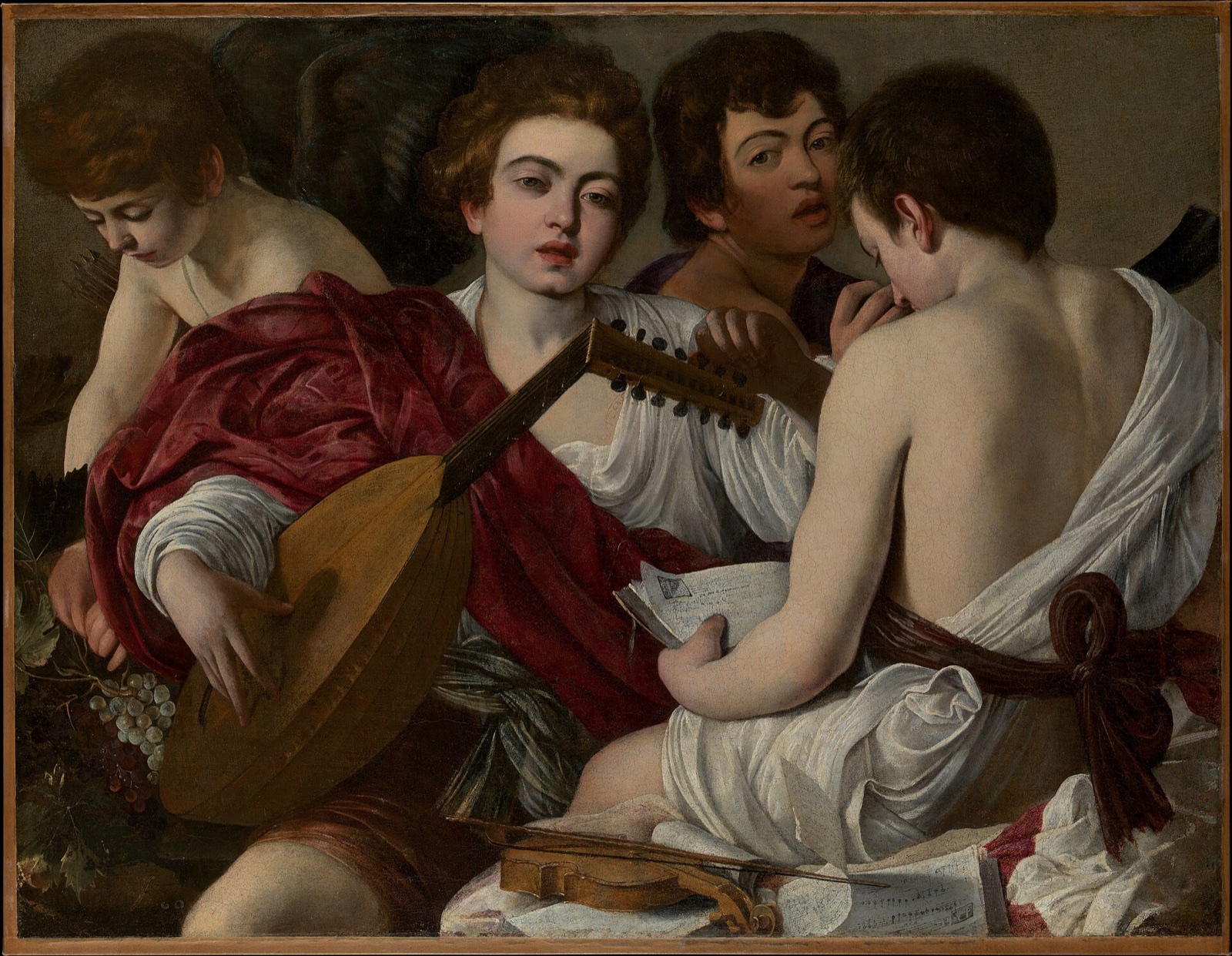
Painter, 1571 to 1610
Caravaggio
The Met has two Caravaggios from either end of his short career: The Musicians, painted in Rome when he was about twenty-six, and The Denial of Saint Peter, from his last months.
Baroque. 2 works in 1 museum
See the artist
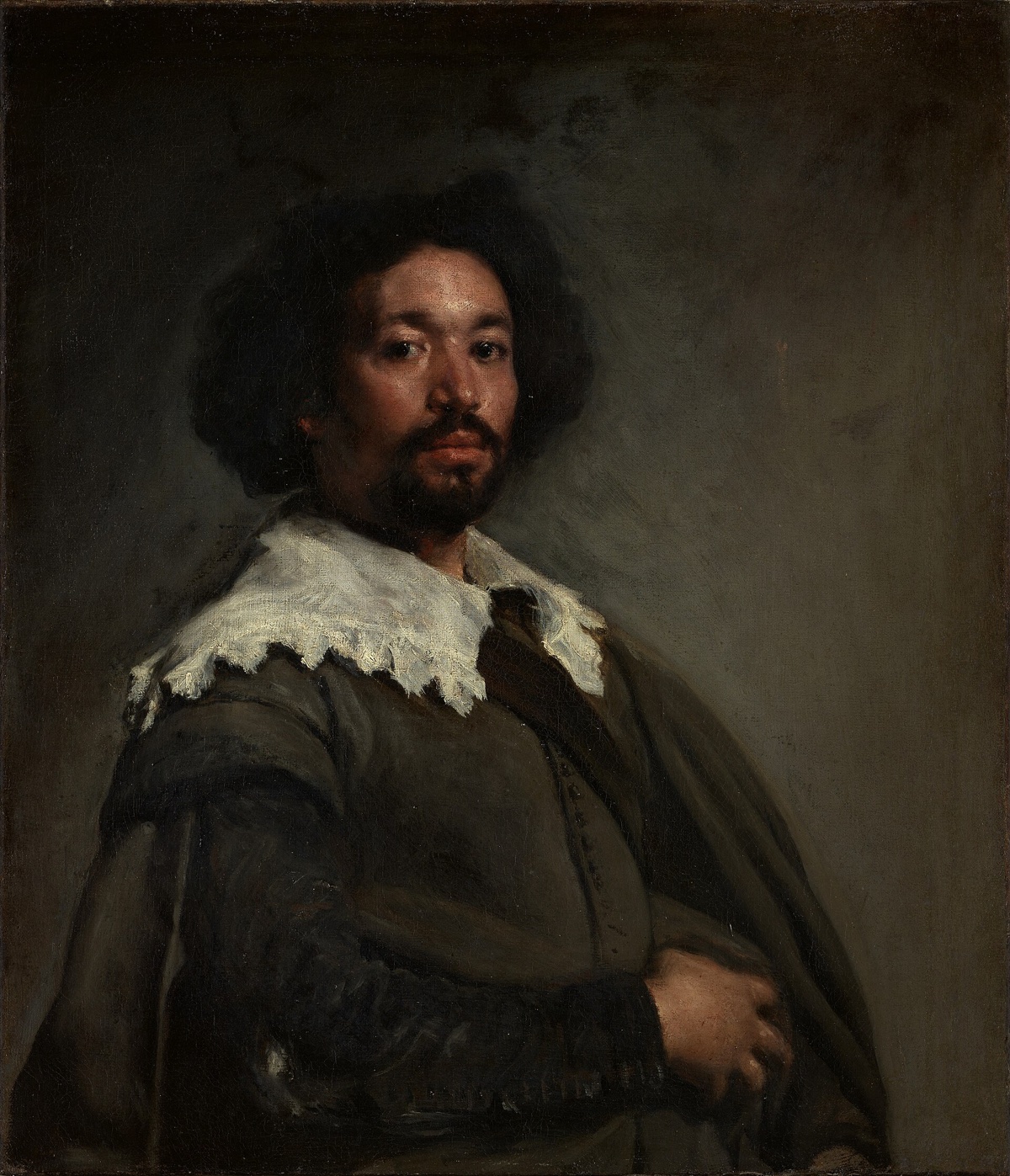
Painter, 1599 to 1660
Diego Velázquez
The Met has Velázquez's portrait of Juan de Pareja, the enslaved assistant he freed. The Frick has his Philip IV, painted on campaign in three sittings.
Baroque. 2 works in 2 museums
See the artist
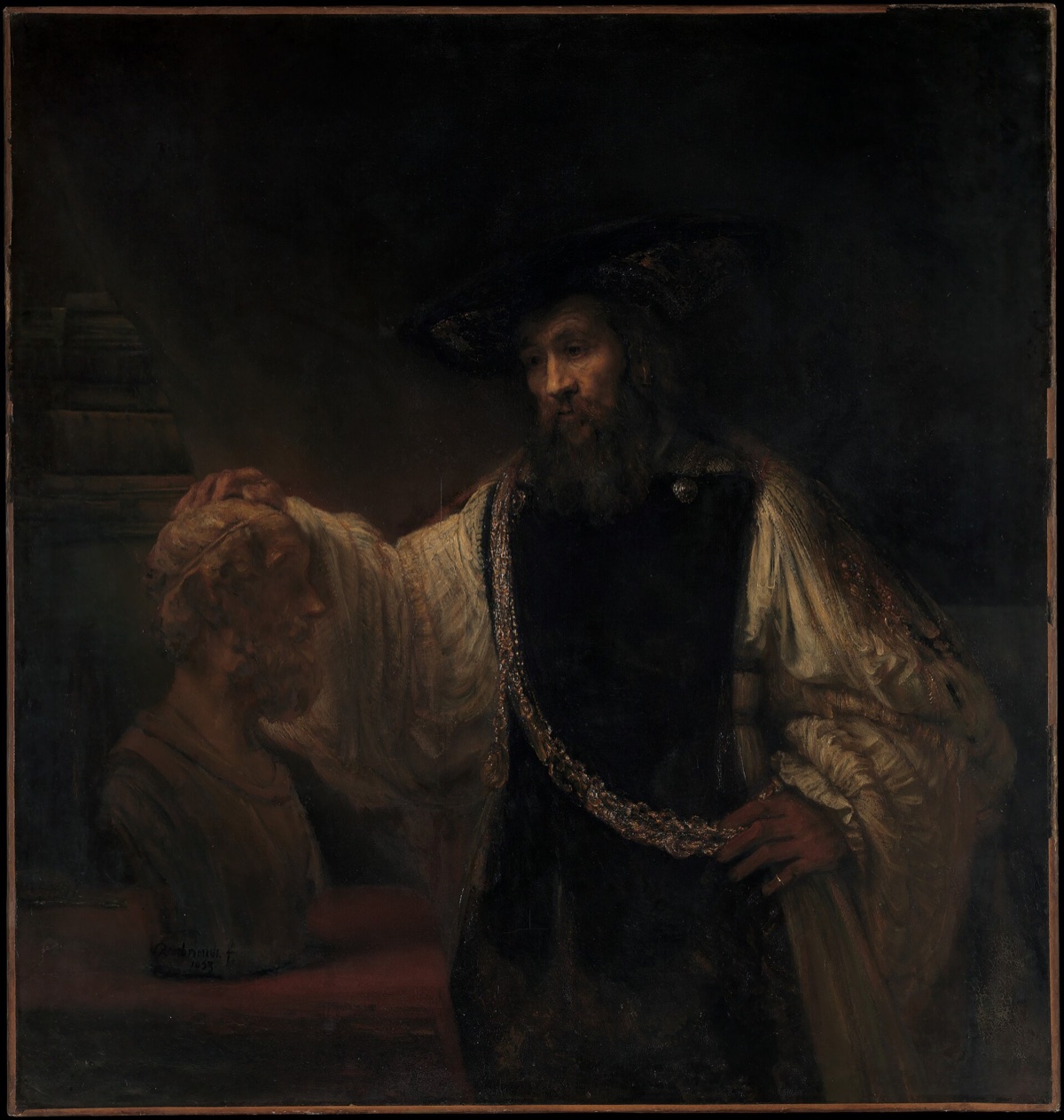
Painter, 1606 to 1669
Rembrandt
New York has two of Rembrandt's greatest late paintings a mile apart: Aristotle with a Bust of Homer at the Met and the self-portrait of 1658 at the Frick.
Dutch Golden Age. 4 works in 2 museums
See the artist
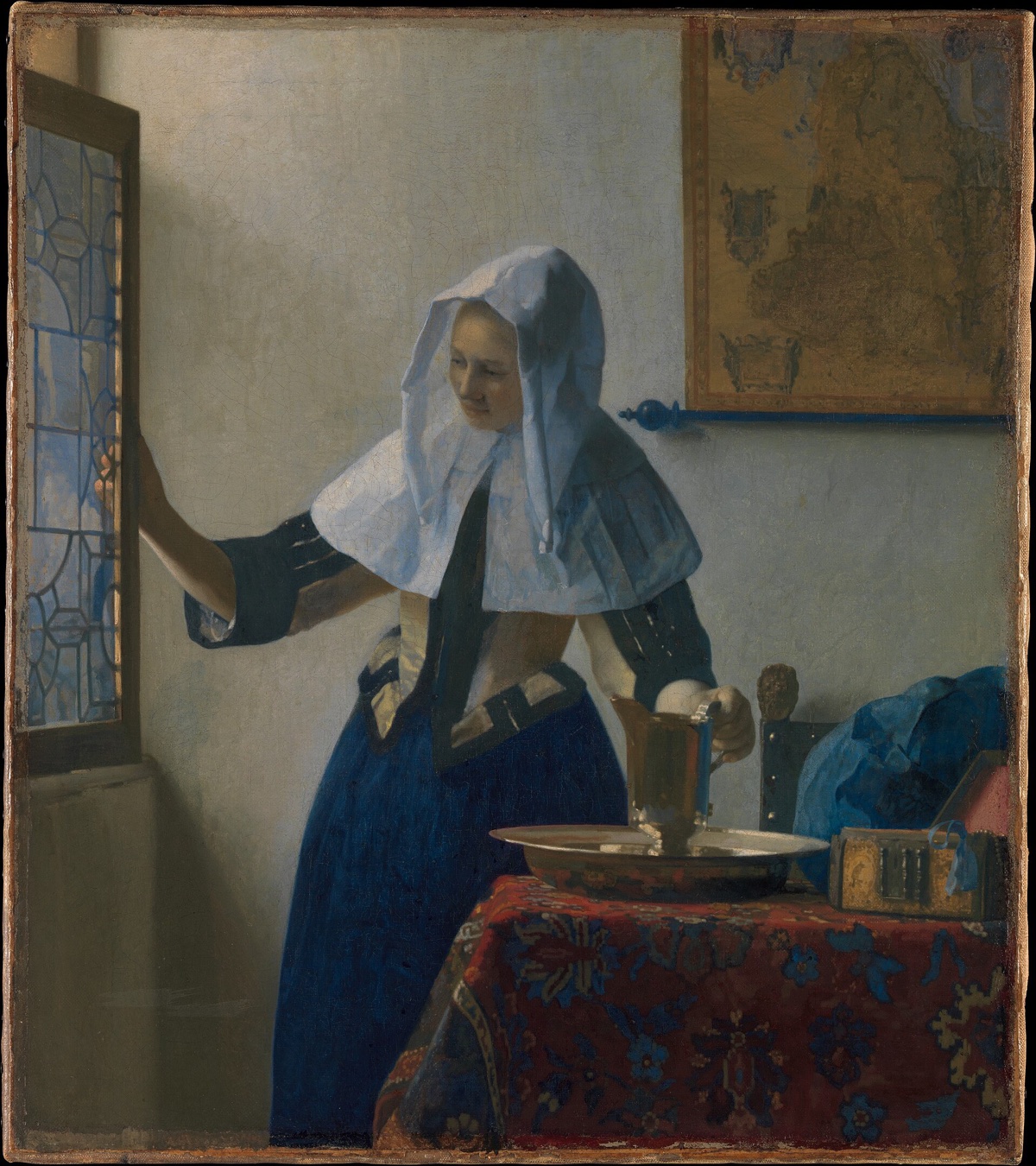
Painter, 1632 to 1675
Johannes Vermeer
About thirty-five paintings by Vermeer survive, and eight of them are in New York: five at the Met and three at the Frick, ten minutes' walk apart.
Dutch Golden Age. 8 works in 2 museums
See the artist
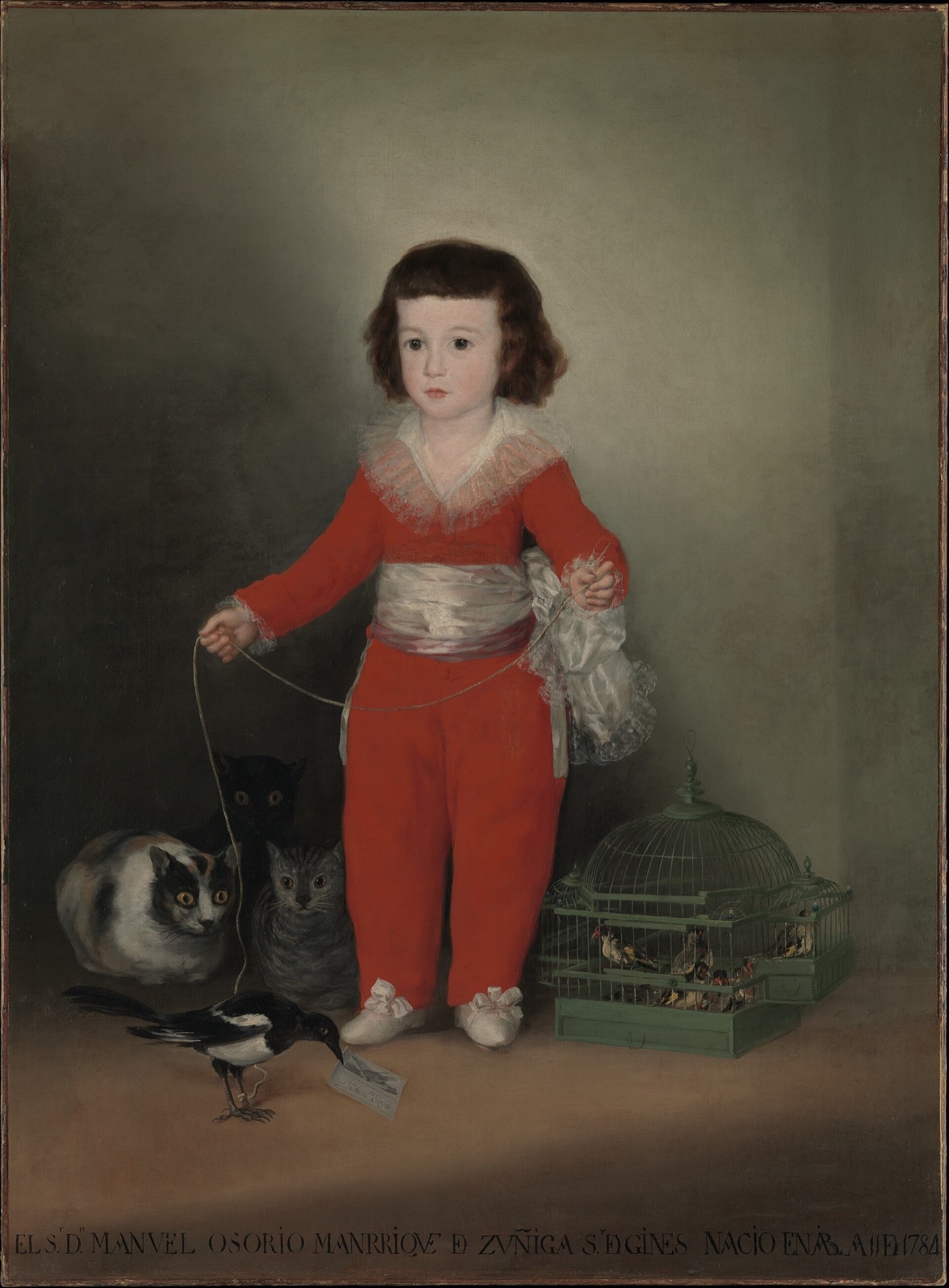
Painter, 1746 to 1828
Francisco Goya
The Met has Goya's portrait of a small boy in red with his pet magpie and three cats, one of the best-loved pictures in the museum. The Frick has The Forge.
Romanticism. 3 works in 2 museums
See the artist
Painter, 1748 to 1825
Jacques-Louis David
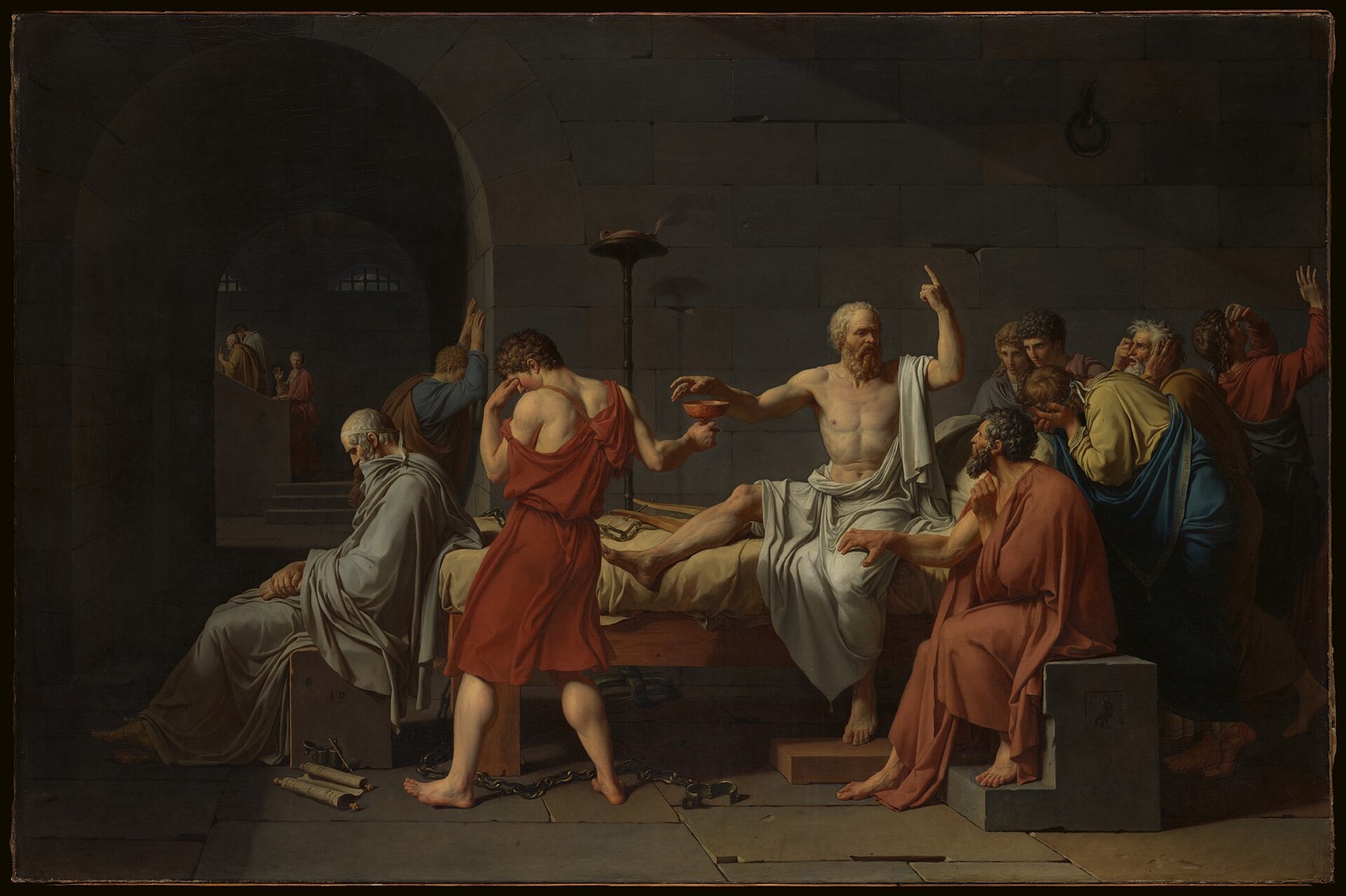
The Met owns David's Death of Socrates, the picture that made Neoclassicism a moral cause, and his great double portrait of the chemist Lavoisier and his wife.
Neoclassicism. 2 works in 1 museum
See the artist
Painter and sculptor, 1834 to 1917
Edgar Degas
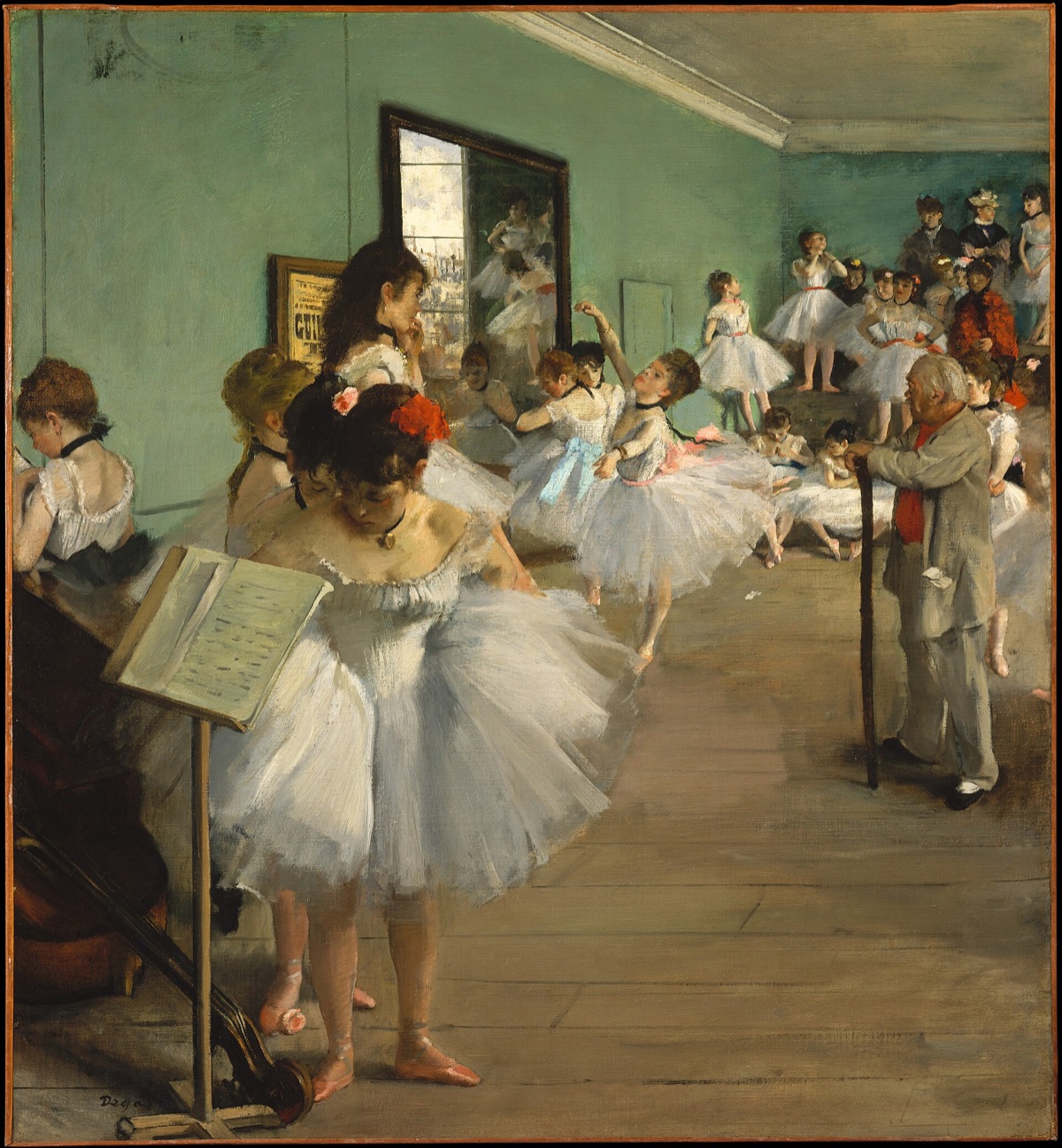
The Met has one of the largest collections of Degas anywhere: The Dance Class, the bronze Little Dancer in her cloth skirt, and rooms of pastels and sculpture.
Impressionism. 4 works in 2 museums
See the artist
Painter, 1836 to 1910
Winslow Homer
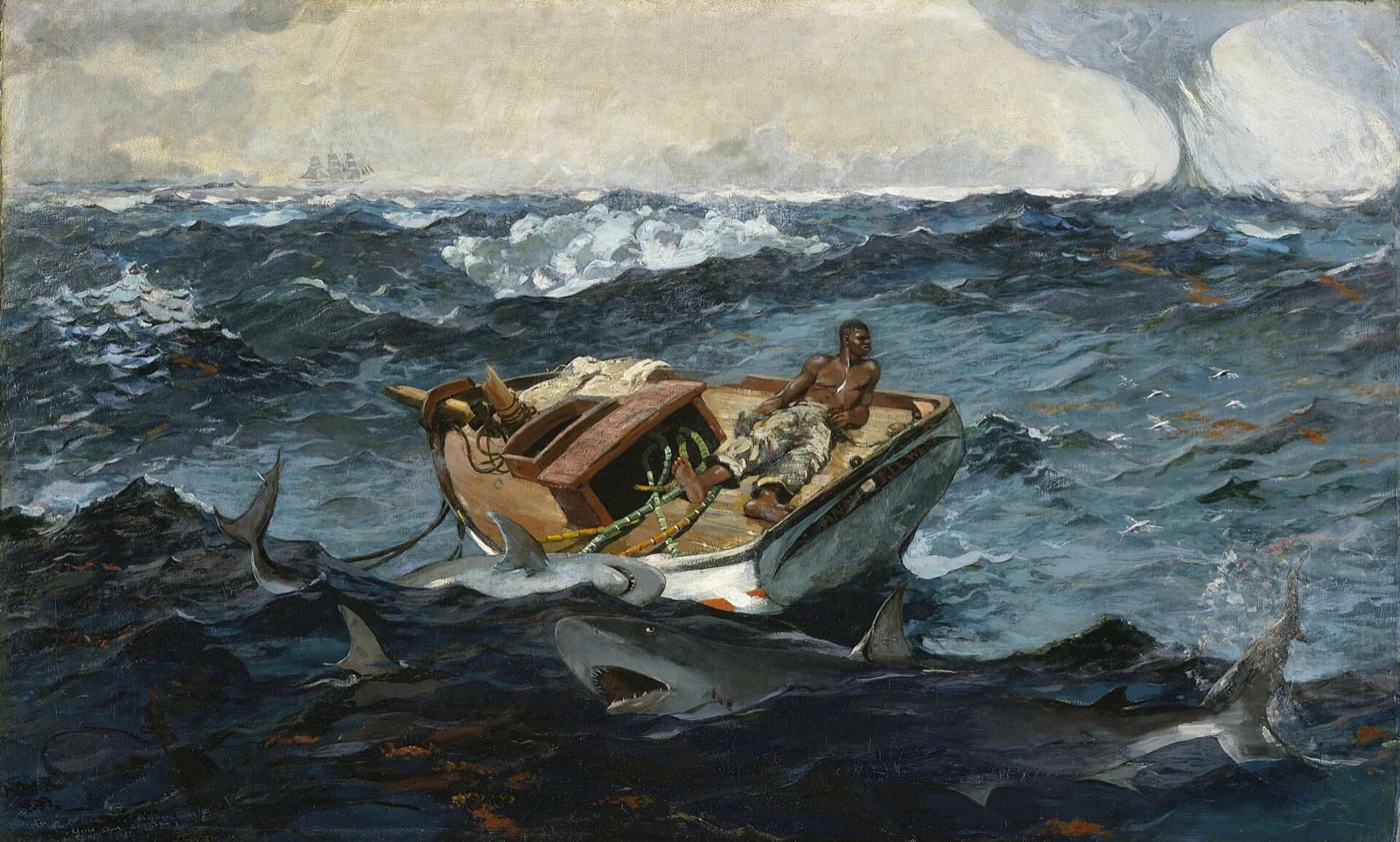
The Met's American Wing has Homer's The Gulf Stream, a man adrift among sharks, and Northeaster, a single wave breaking on the rocks of Maine.
American Realism. 3 works in 1 museum
See the artist
Painter, 1839 to 1906
Paul Cézanne
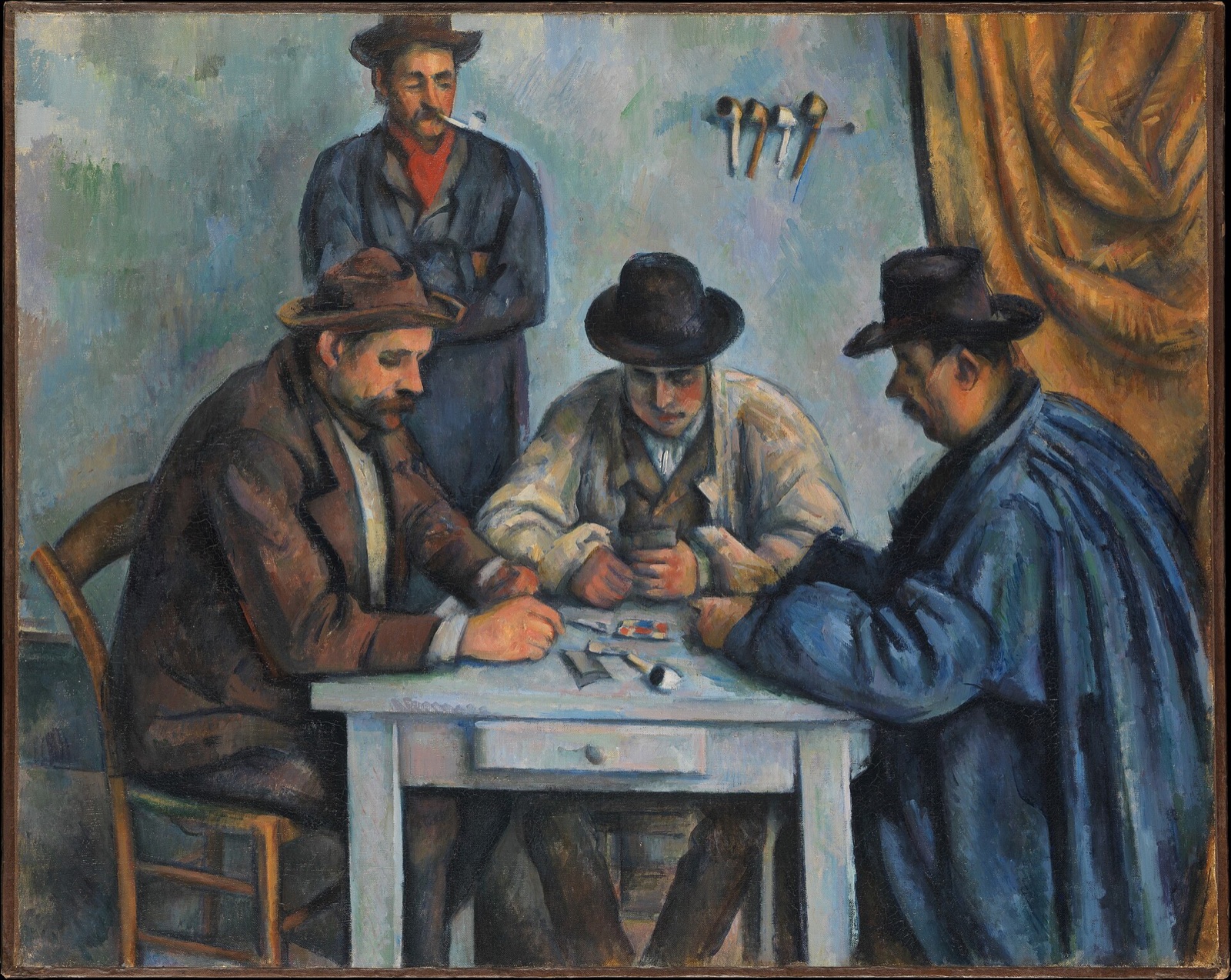
Cézanne is at three museums in New York: The Card Players and Mont Sainte-Victoire at the Met, The Bather at MoMA, where modern art is said to begin with him, and at the Guggenheim.
Post-Impressionism. 4 works in 3 museums
See the artist
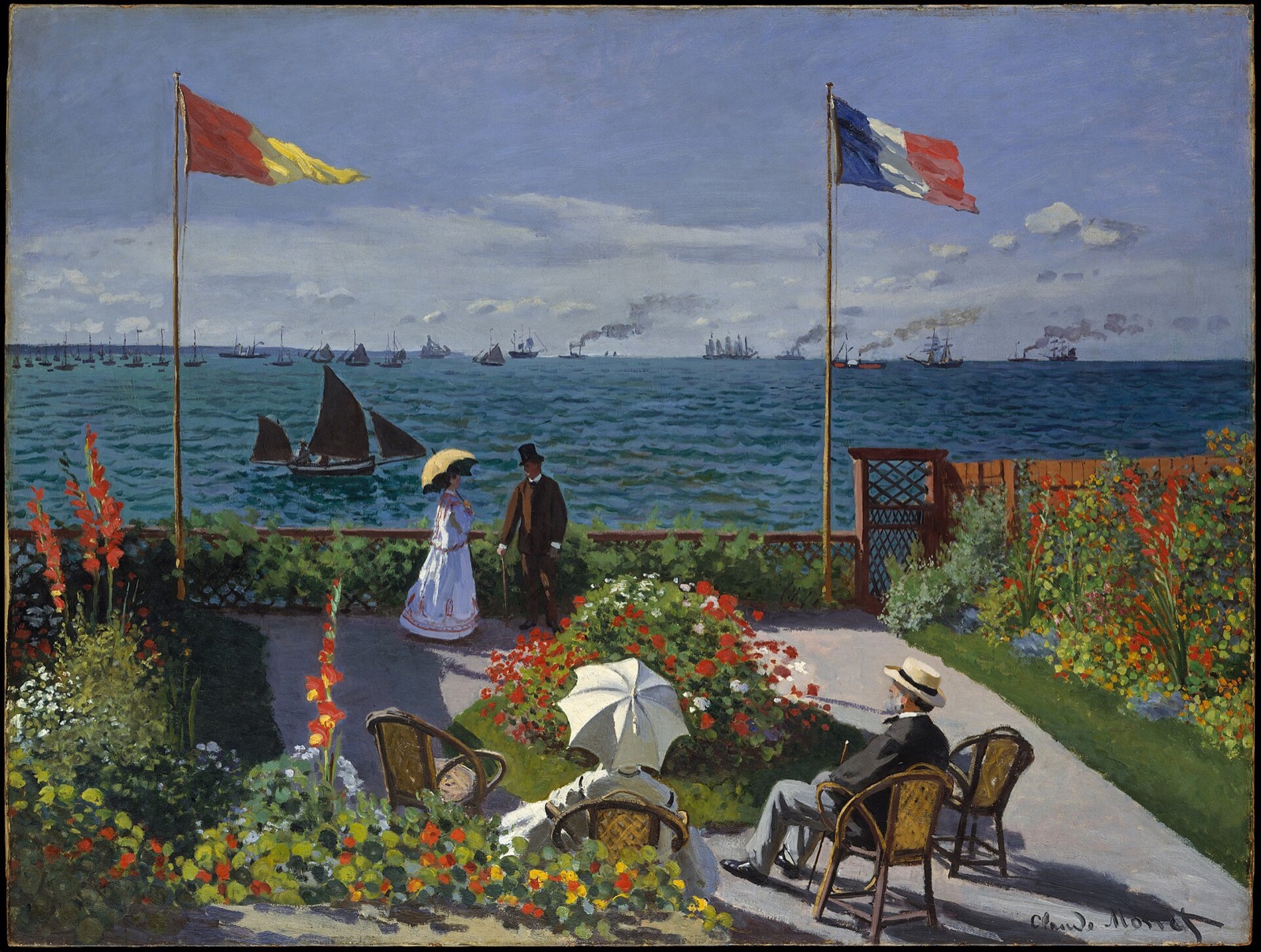
Painter, 1840 to 1926
Claude Monet
New York has Monet from his first sunlit terraces to his last water lilies: Garden at Sainte-Adresse and La Grenouillère at the Met, and at MoMA a room given to three panels of the pond at Giverny.
Impressionism. 4 works in 2 museums
See the artist
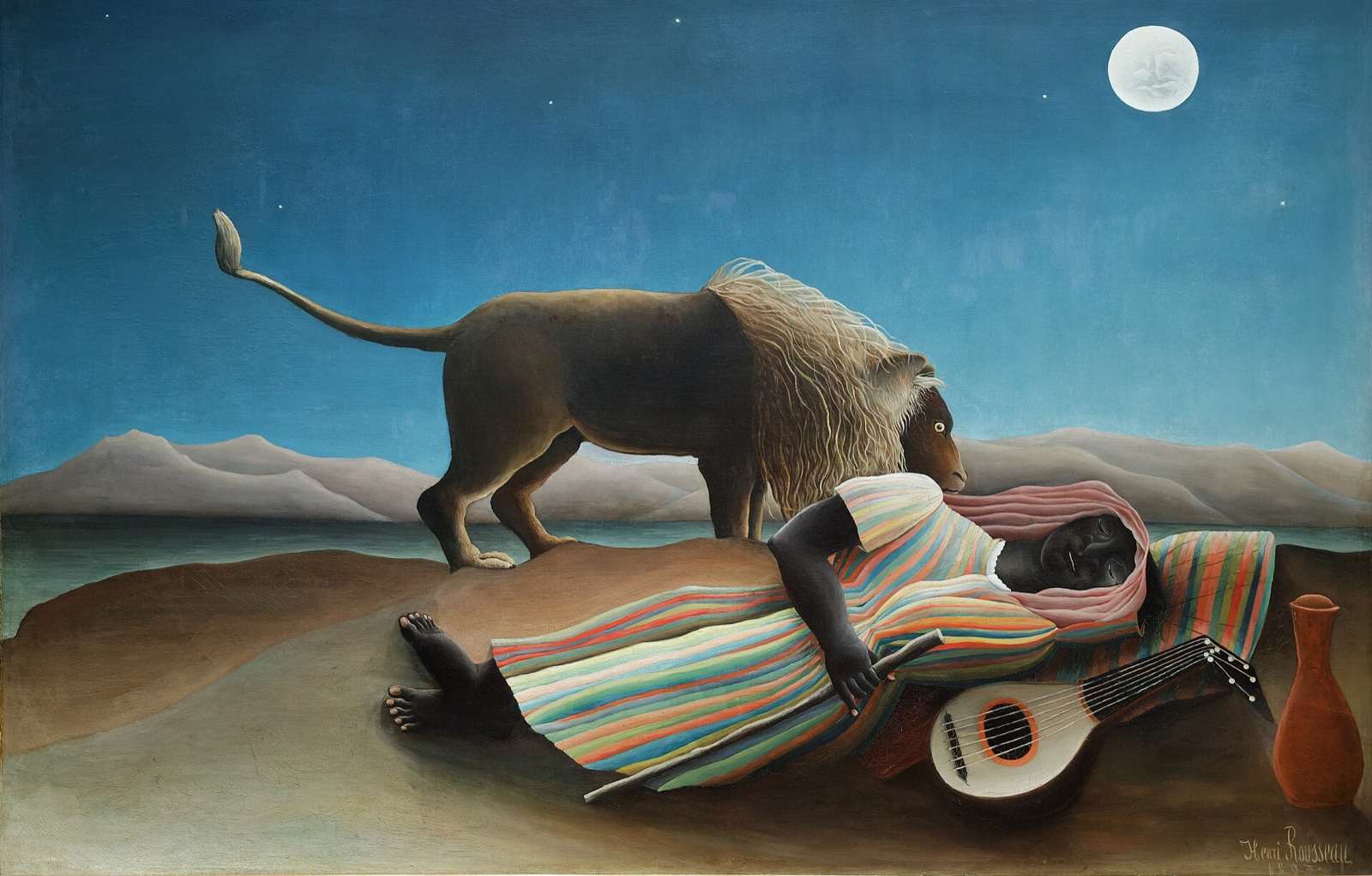
Painter, 1844 to 1910
Henri Rousseau
The Museum of Modern Art has Rousseau's two most famous paintings: The Sleeping Gypsy, with a lion sniffing at a woman asleep in the desert, and The Dream.
Naive painting. 3 works in 2 museums
See the artist
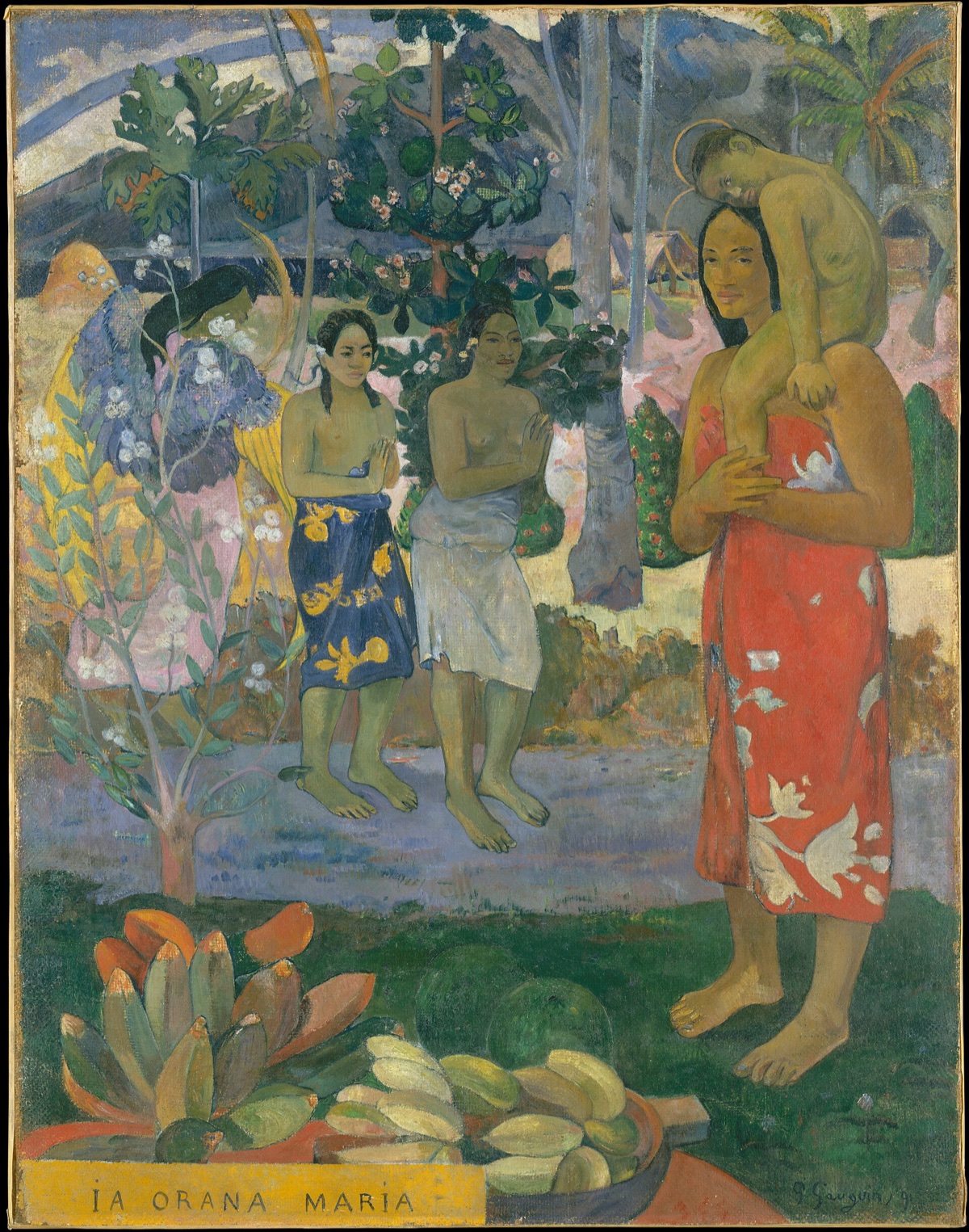
Painter, 1848 to 1903
Paul Gauguin
The Met has Gauguin's Ia Orana Maria, the first large picture he painted in Tahiti, and Two Tahitian Women. MoMA has The Seed of the Areoi.
Post-Impressionism. 3 works in 2 museums
See the artist
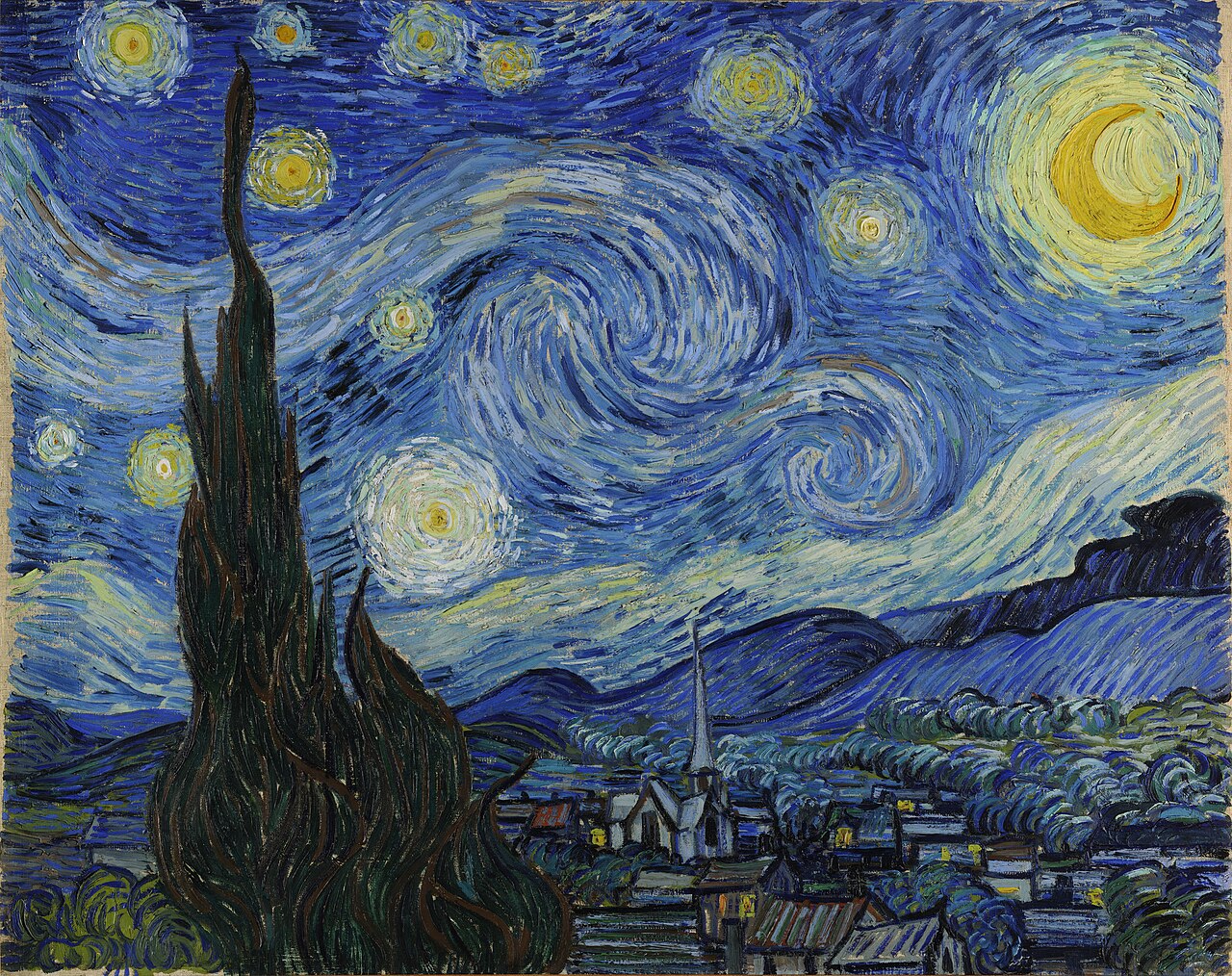
Painter, 1853 to 1890
Vincent van Gogh
The Starry Night is at the Museum of Modern Art. The Met, a short walk across the park, has Wheat Field with Cypresses, painted the same month, and a self-portrait in a straw hat.
Post-Impressionism. 5 works in 3 museums
See the artist
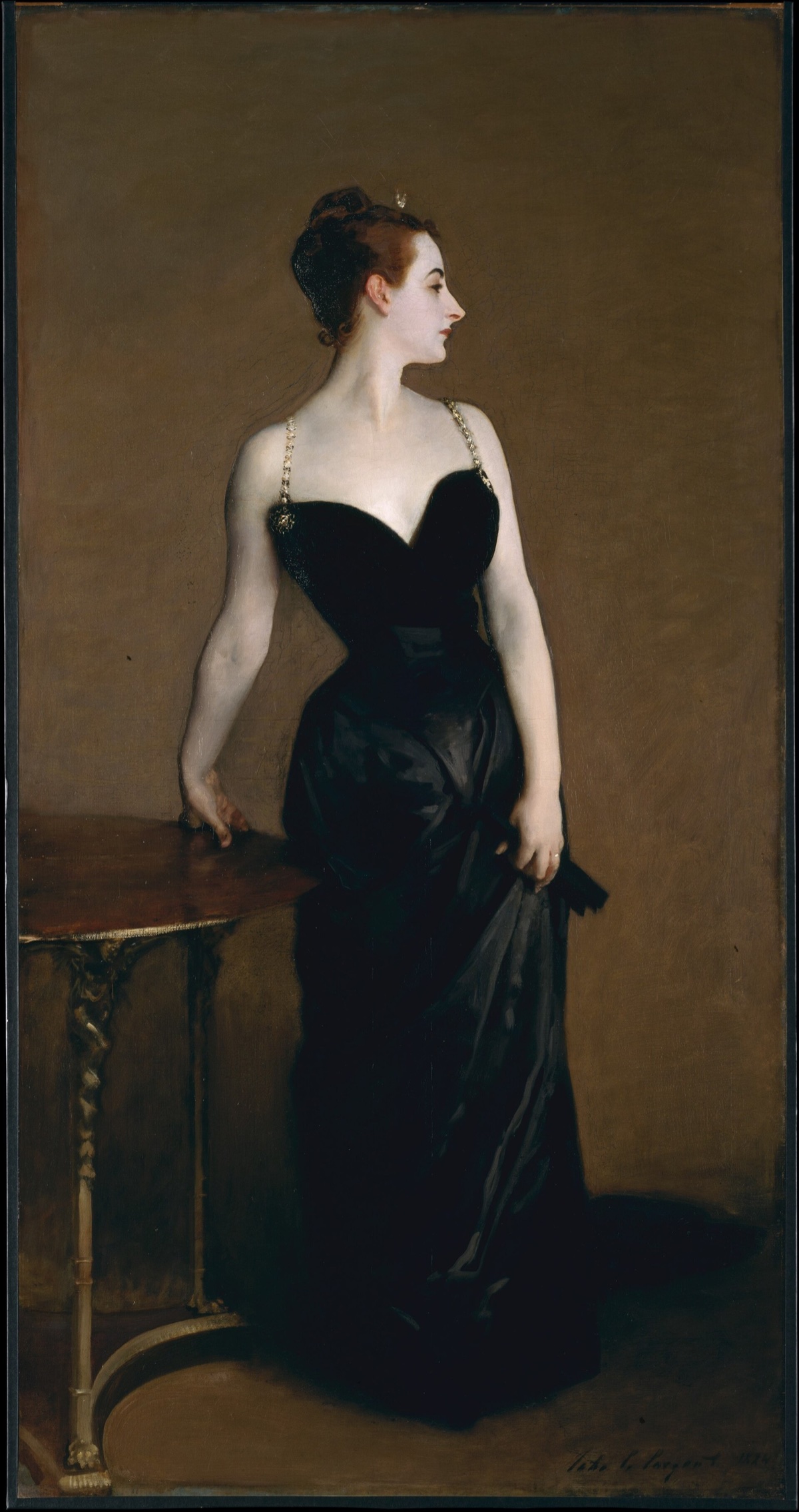
Painter, 1856 to 1925
John Singer Sargent
Madame X, the portrait that caused a scandal in Paris and drove Sargent to London, hangs in the American Wing of the Met. He sold it to the museum himself.
Realism. 3 works in 1 museum
See the artist
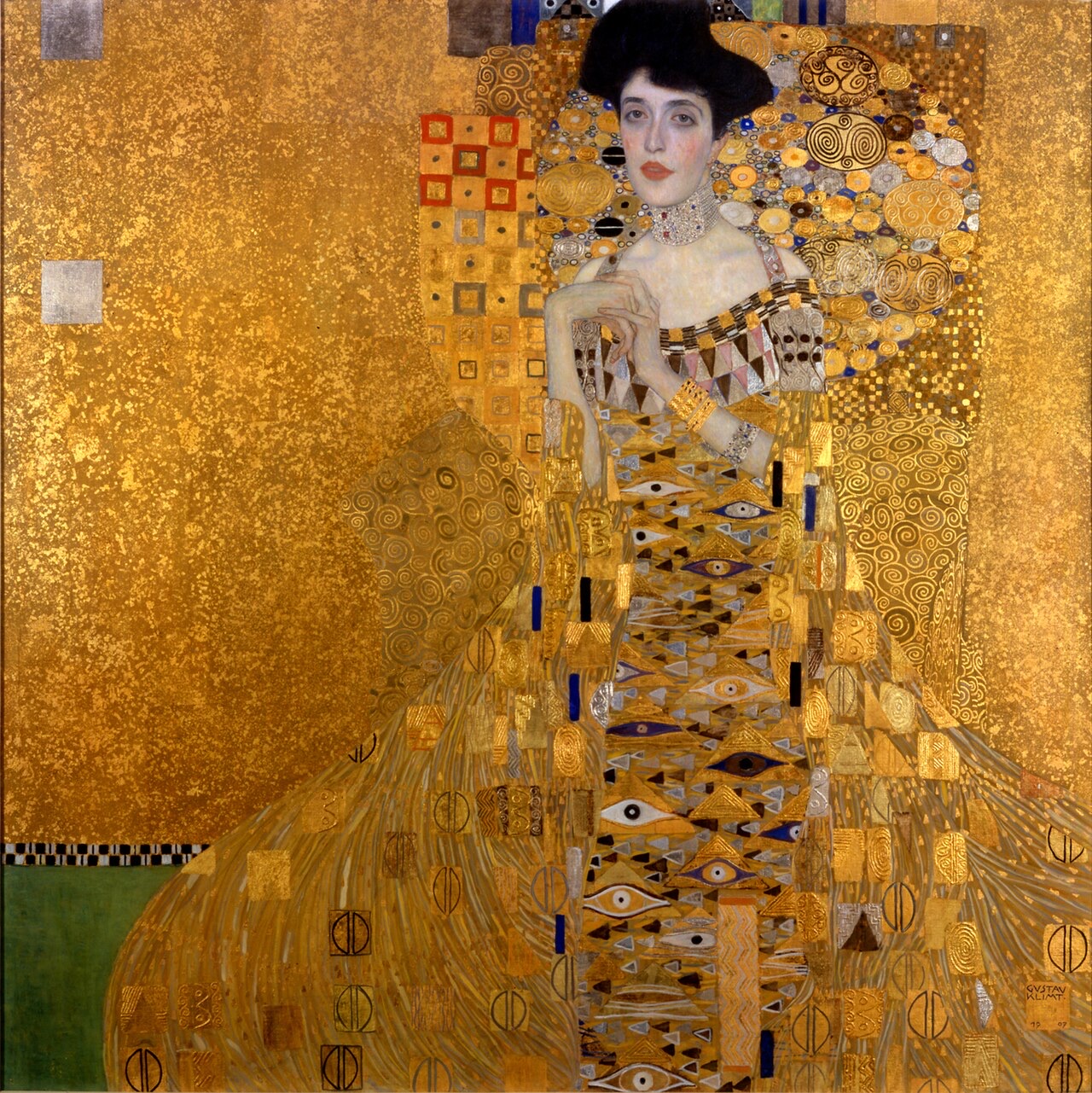
Painter, 1862 to 1918
Gustav Klimt
Klimt's golden portrait of Adele Bloch-Bauer hangs in the Neue Galerie on Fifth Avenue. The Met, four blocks south, has his portrait of the girl Mäda Primavesi, and MoMA has Hope, II.
Vienna Secession. 3 works in 3 museums
See the artist
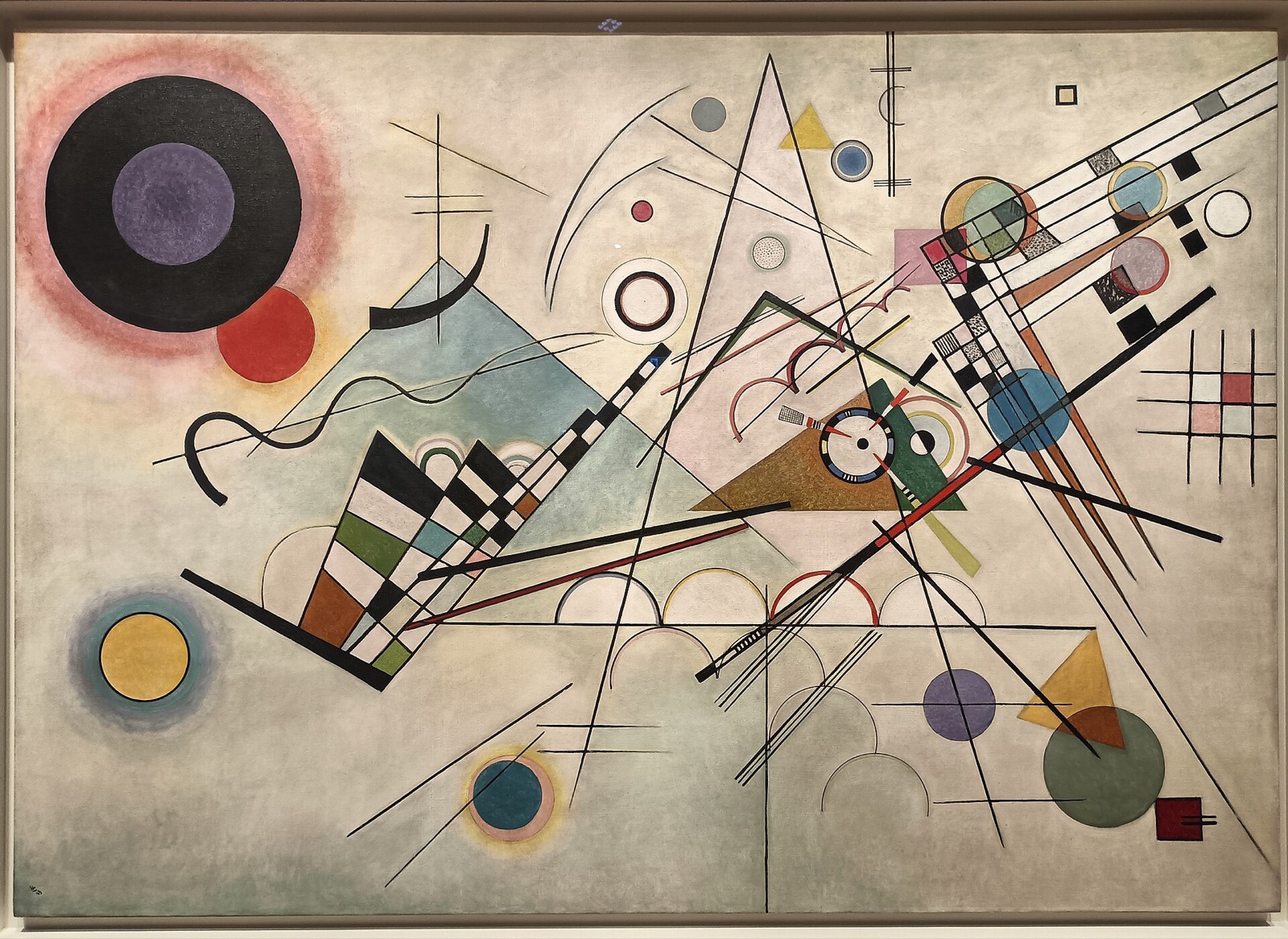
Painter, 1866 to 1944
Wassily Kandinsky
The Guggenheim was founded on Kandinsky. It owns more than a hundred and fifty of his works, Composition 8 and Several Circles among them, and always has some on show.
Abstract art. 4 works in 2 museums
See the artist
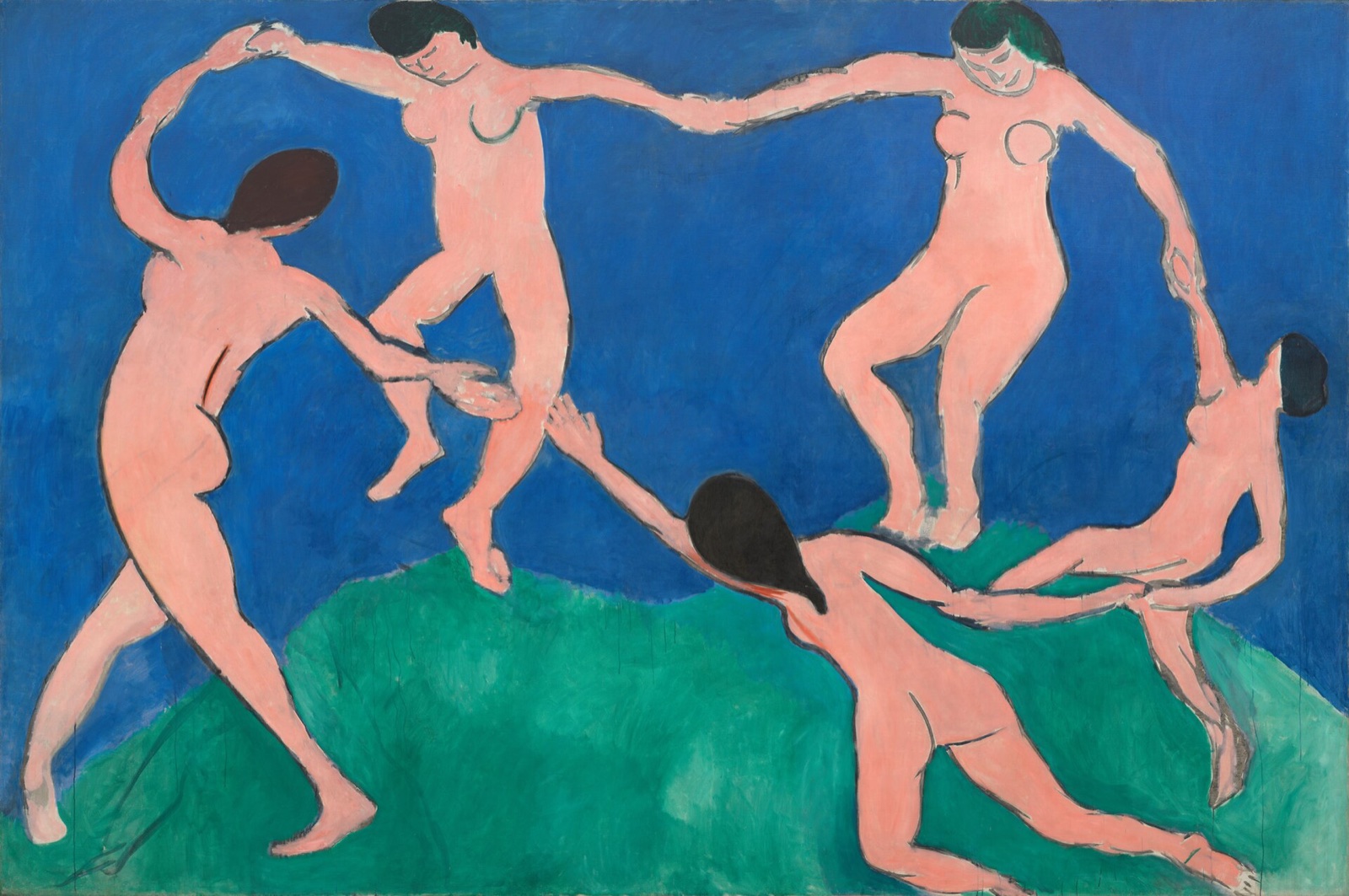
Painter, 1869 to 1954
Henri Matisse
The Museum of Modern Art has Matisse's Dance (I), The Red Studio and The Piano Lesson, a run of large paintings from his boldest years that no other museum can match.
Fauvism. 4 works in 2 museums
See the artist
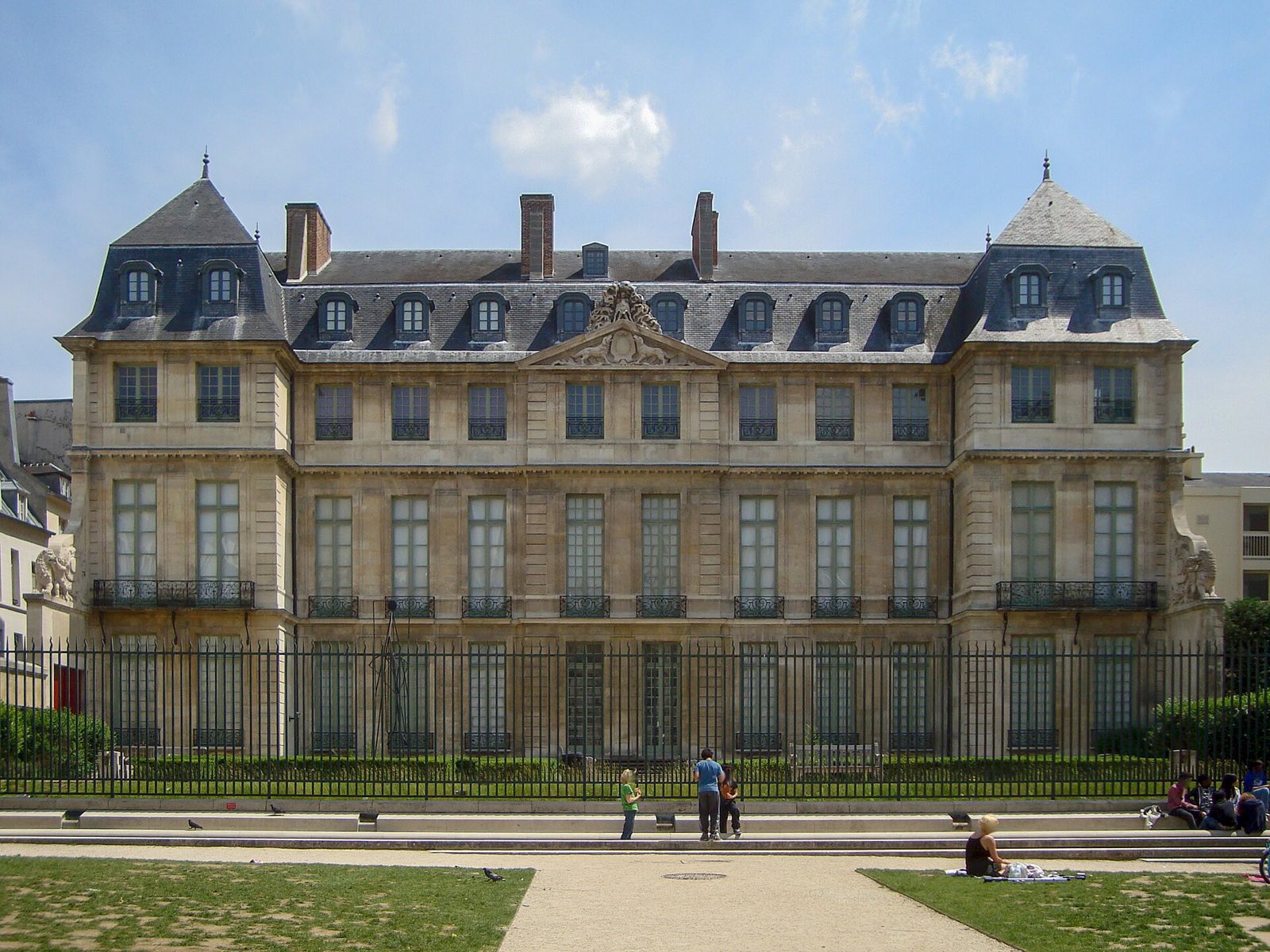
Picture: LPLT, CC BY-SA 3.0
Painter and sculptor, 1881 to 1973
Pablo Picasso
Les Demoiselles d'Avignon, the painting from which Cubism followed, is at the Museum of Modern Art. The Met has his portrait of Gertrude Stein, and the Guggenheim more than thirty works.
Cubism. 6 works in 3 museums
See the artist
Painter, 1882 to 1967
Edward Hopper
The Whitney Museum holds more of Edward Hopper than any other museum: more than three thousand works left by his widow, with Early Sunday Morning at their head.
American Realism. 6 works in 3 museums
See the artist
Painter, 1912 to 1956
Jackson Pollock
Two of the largest paintings Pollock ever poured, both from the autumn of 1950, hang two miles apart: One: Number 31, 1950 at MoMA and Autumn Rhythm at the Met.
Abstract Expressionism. 4 works in 3 museums
See the artist
Painter, 1928 to 1987
Andy Warhol
The thirty-two Campbell's Soup Cans that began Pop art are at the Museum of Modern Art, with Gold Marilyn Monroe. The Whitney has his Coca-Cola bottles.
Pop art. 3 works in 2 museums
See the artist
When they lived
Each bar is a life, from birth to death, on one line of time. 490 years separate the birth of Hans Holbein the Younger from the death of Andy Warhol, and 13 of the 24 were alive at the same moment, in 1882.
- Hans Holbein the Younger1497 to 1543
- Pieter Bruegel the Elder1525 to 1569
- El Greco1541 to 1614
- Caravaggio1571 to 1610
- Diego Velázquez1599 to 1660
- Rembrandt1606 to 1669
- Johannes Vermeer1632 to 1675
- Francisco Goya1746 to 1828
- Jacques-Louis David1748 to 1825
- Edgar Degas1834 to 1917
- Winslow Homer1836 to 1910
- Paul Cézanne1839 to 1906
- Claude Monet1840 to 1926
- Henri Rousseau1844 to 1910
- Paul Gauguin1848 to 1903
- Vincent van Gogh1853 to 1890
- John Singer Sargent1856 to 1925
- Gustav Klimt1862 to 1918
- Wassily Kandinsky1866 to 1944
- Henri Matisse1869 to 1954
- Pablo Picasso1881 to 1973
- Edward Hopper1882 to 1967
- Jackson Pollock1912 to 1956
- Andy Warhol1928 to 1987
Which museum holds whom
Each block is an artist with work on show in that place. The Met has the old masters and the Americans. The Museum of Modern Art takes over from about 1880, and the Whitney keeps to the art of the United States. The Frick Collection and the Neue Galerie, which have no page here yet, are named with their works.
The Metropolitan Museum of Art22 artists
The Museum of Modern Art12 artists
Frick Collection6 artists
Solomon R. Guggenheim Museum5 artists
Whitney Museum of American Art3 artists
Neue Galerie1 artist
How to read this page
The choice of artists is this site's: the most famous of those whose work is on show in the museums of New York that it covers. They are in order of birth, which is not a ranking.
A work is listed where it is normally on show. Museums move their works between rooms, lend them and take them down for conservation, so before a special journey check with the museum.