Painter, 1853 to 1890
Vincent van Gogh
Van Gogh's most famous painting has been in New York since 1941. It hangs on the fifth floor of MoMA, and there is a small crowd in front of it at every hour the museum is open.
- Born
- 1853, Zundert, Netherlands
- Died
- 1890, Auvers-sur-Oise, France
- Movement
- Post-Impressionism
- In New York
- 5 works in 3 museums
Where to see Vincent van Gogh in New York
Each work with the museum it hangs in. Museums move and lend their works, so check before a special journey.
The Metropolitan Museum of Art3 works
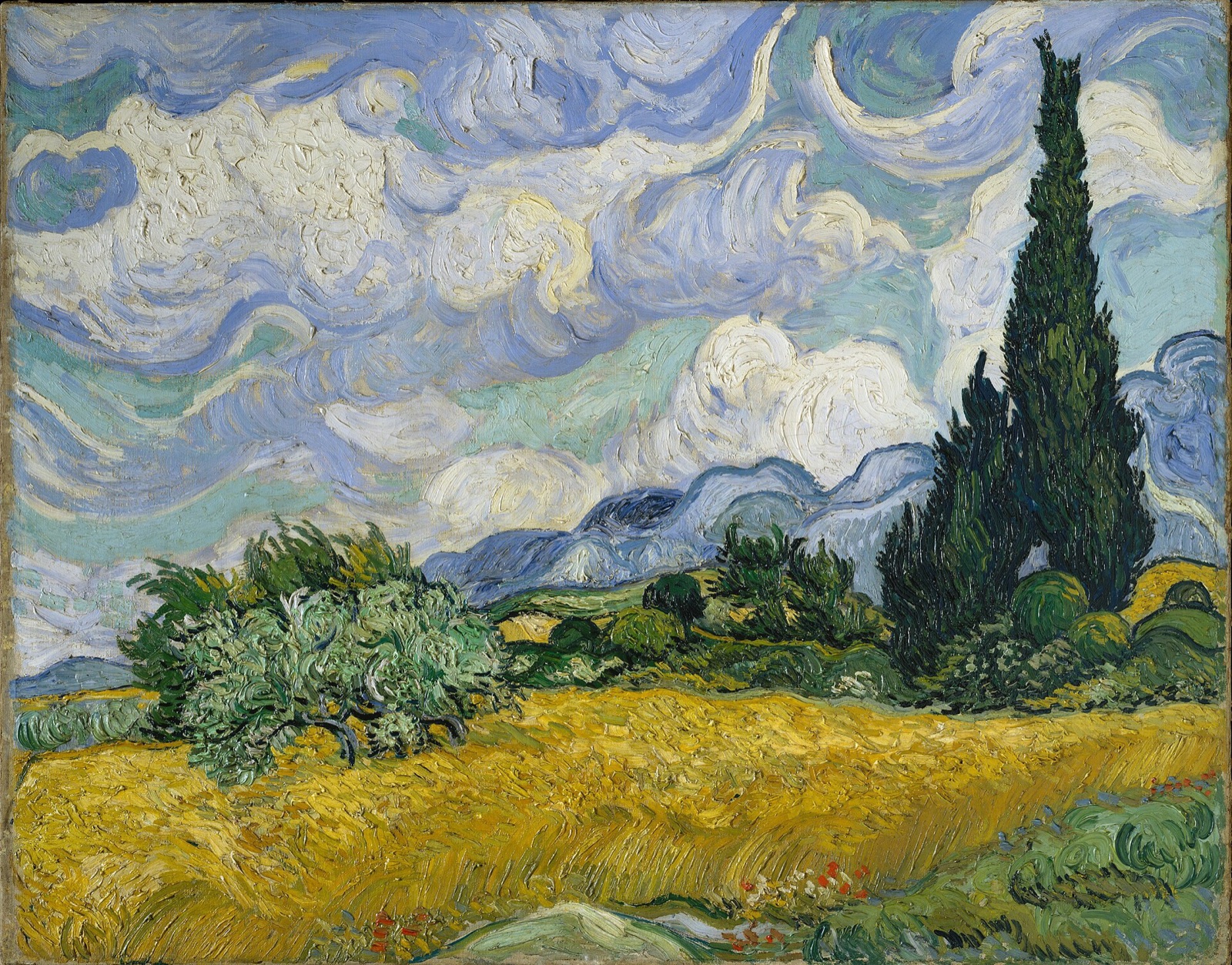
Wheat Field with Cypresses
1889
Painted at Saint-Rémy a few weeks after The Starry Night, in the full sun of July: ripe wheat, olive trees, two cypresses and a sky of rolling cloud. He counted it among his best summer landscapes.
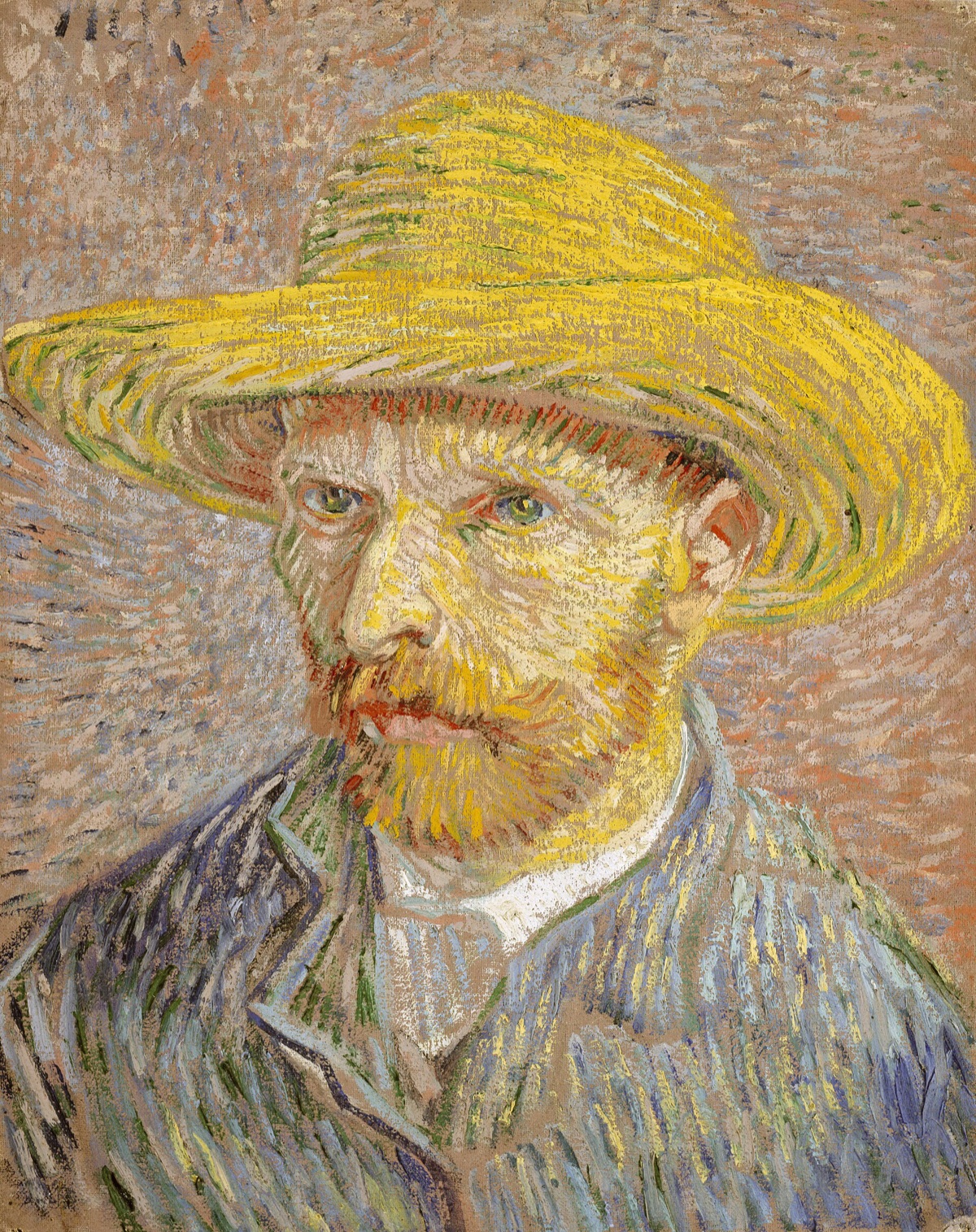
Self-Portrait with a Straw Hat
1887
Painted in Paris, when he could not pay for models and bought a mirror. On the other side of the same canvas is an earlier picture of a woman peeling potatoes.
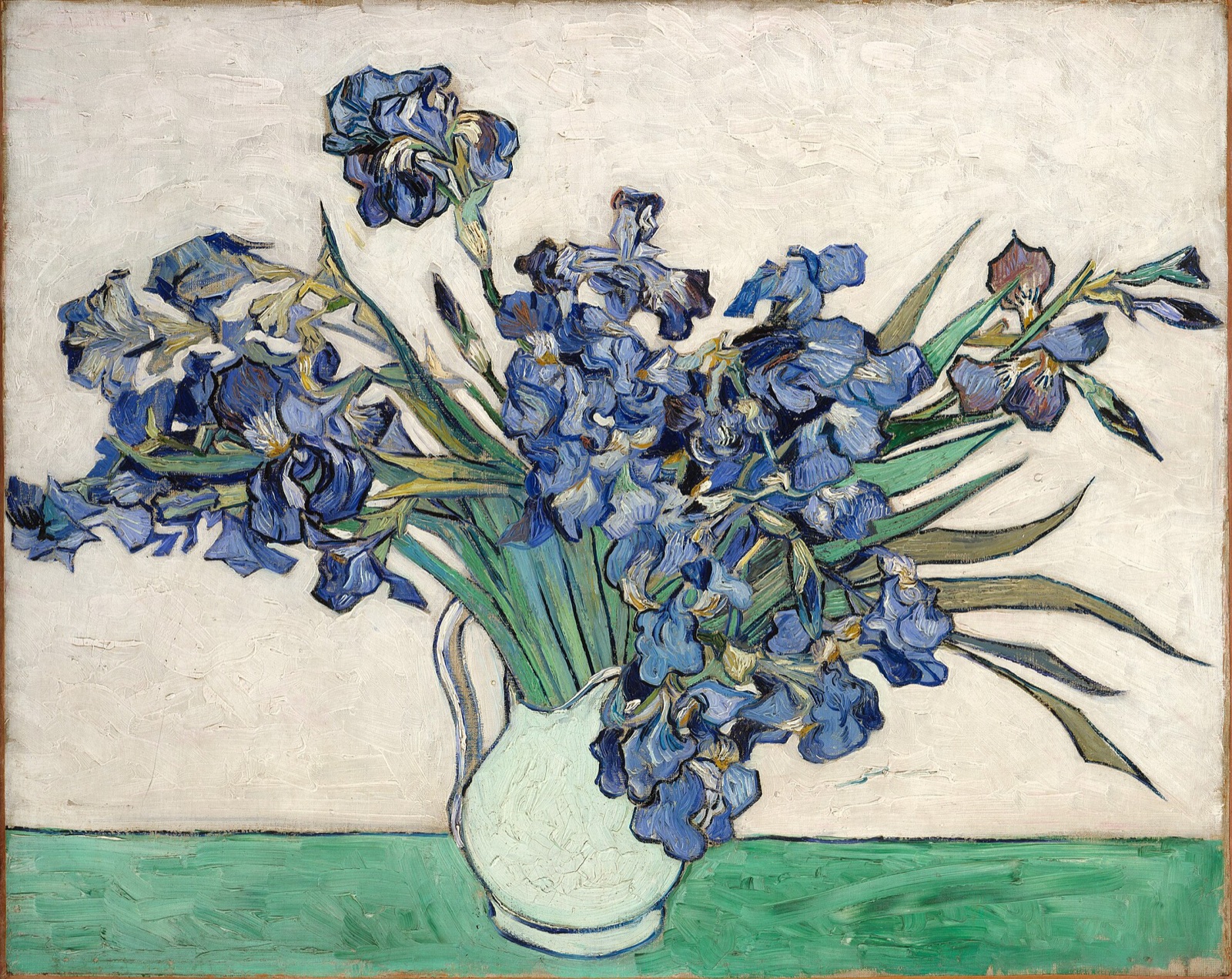
Irises
1890
A vase of irises against a background that was once pink and has faded almost to white, painted in his last weeks at Saint-Rémy.
The Museum of Modern Art1 work
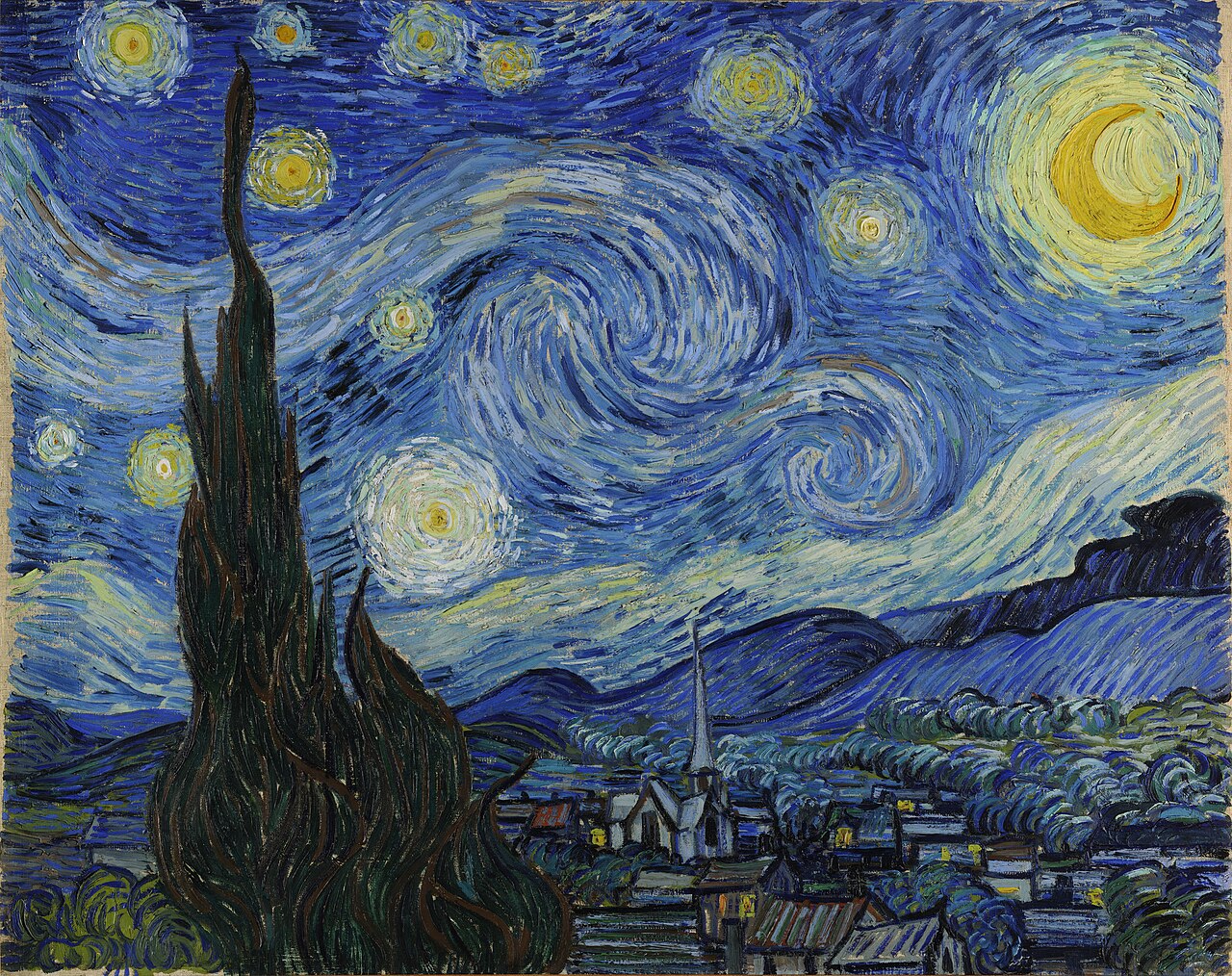
The Starry Night
1889
A night sky in great turning coils of blue and yellow over a sleeping village, with a cypress like a dark flame in front. It is smaller than people expect: 74 centimetres by 92.
Solomon R. Guggenheim Museum1 work
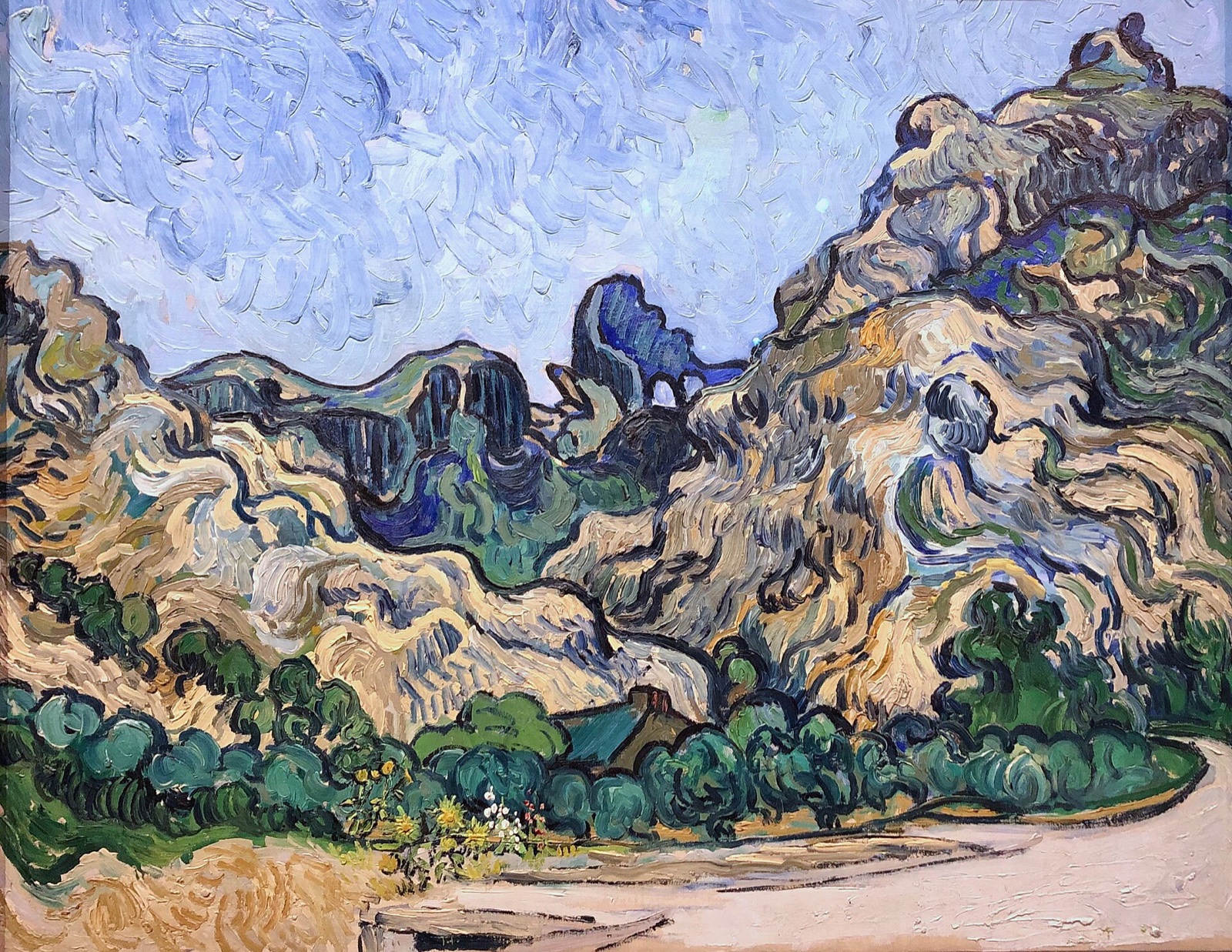
Mountains at Saint-Rémy
1889
The hills behind the asylum, heaving like a sea, with a small house and a path below. It is in the Thannhauser Collection.
The life of Vincent van Gogh
Vincent van Gogh was born in the south of the Netherlands in 1853 and began to paint at twenty-seven. In May 1889, after a breakdown at Arles, he entered the asylum of Saint-Paul at Saint-Rémy of his own will. He stayed a year and painted about a hundred and fifty canvases, The Starry Night and the wheat fields and cypresses among them. He shot himself in July 1890, at thirty-seven.
The Starry Night was painted from memory, by day, of the view from his barred window before sunrise. The village is invented. He thought the picture a failure. The Museum of Modern Art acquired it in 1941, through the bequest of one of its three founders, Lillie P. Bliss.
What to know
- Painted The Starry Night in June 1889, in the asylum at Saint-Rémy
- MoMA acquired it in 1941, the first Van Gogh in a New York museum
- The Met's self-portrait is painted on the back of another picture
- Born
- 30 March 1853, Zundert, Netherlands
- Died
- 29 July 1890, Auvers-sur-Oise, France
Vincent van Gogh: common questions
- Where can you see Vincent van Gogh in New York?
- At the Metropolitan Museum of Art: Wheat Field with Cypresses, Self-Portrait with a Straw Hat and Irises. At the Museum of Modern Art: The Starry Night. At the Solomon R. Guggenheim Museum: Mountains at Saint-Rémy. Museums move and lend their works, so check before a special journey.
- What is Vincent van Gogh's most famous work in New York?
- The Starry Night, of 1889, at the Museum of Modern Art. A night sky in great turning coils of blue and yellow over a sleeping village, with a cypress like a dark flame in front. It is smaller than people expect: 74 centimetres by 92.
- When and where was Vincent van Gogh born?
- On 30 March 1853, at Zundert, Netherlands. Vincent van Gogh died on 29 July 1890, at Auvers-sur-Oise, France, aged about 37.
- What is Vincent van Gogh known for?
- Painted The Starry Night in June 1889, in the asylum at Saint-Rémy. MoMA acquired it in 1941, the first Van Gogh in a New York museum. The Met's self-portrait is painted on the back of another picture. Vincent van Gogh was a Dutch painter, of Post-Impressionism.
Tickets and tours: Vincent van Gogh in New York
Things to do near the Met
The nearest of this site's best things to do in the city. Distances are in a straight line.
- 13Walk down the spiral of the Guggenheim550 m awayMuseum, 1.5 to 2 hours, ticket
- 4Walk through Central Park900 m awayGarden, 2 to 4 hours, free
- 11Meet the dinosaurs at the Museum of Natural History950 m awayMuseum, 2.5 to 4 hours, ticket
- 18See the Frick's Vermeers in the house they were bought for1.0 km awayMuseum, 1.5 to 2 hours, ticket
Where to eat near the Met
The nearest of the famous tables this site lists in New York. Distances are in a straight line.
- Café Sabarsky4.3Viennese café, Inside the Neue Galerie300 m away
- Barney Greengrass4.4Appetizing shop and restaurant, Upper West Side1.4 km away
- Tavern on the Green4.4Restaurant in the park, Inside Central Park1.4 km away
- P.J. Clarke's4.5Saloon, Midtown East2.3 km away
Hotels near the Met
The five-star hotels closest to it, of those this site lists in New York. Distances are in a straight line.
- The Mark4.5Five-star hotel, Madison Avenue at 77th Street450 m away
- The Surrey4.4Five-star hotel, Madison Avenue at 76th Street550 m away
- The Pierre4.5Five-star hotel, Fifth Avenue at 61st Street1.7 km away
- The Sherry-Netherland4.6Five-star hotel, Fifth Avenue at 59th Street1.8 km away
Other artists
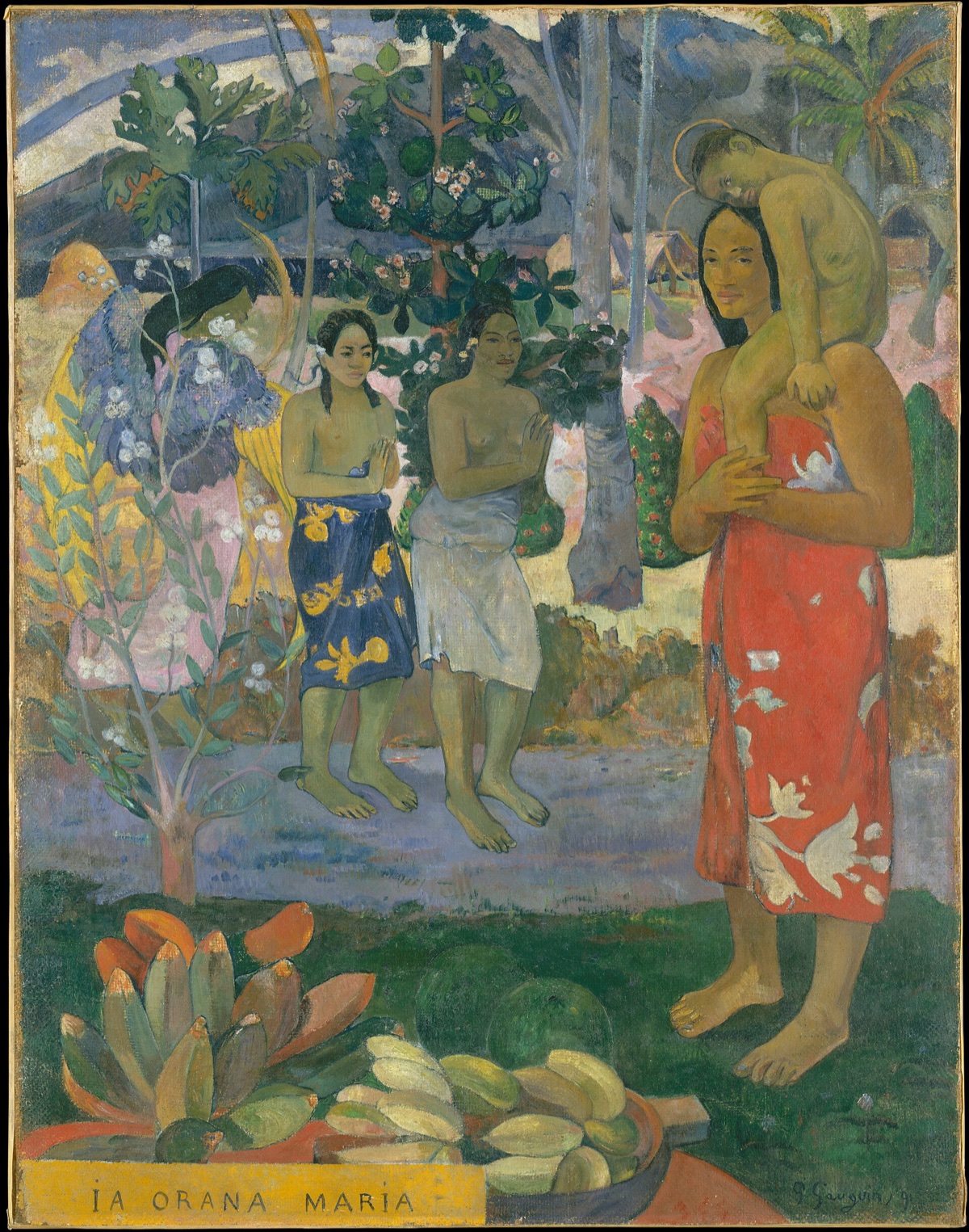
Painter, 1848 to 1903
Paul Gauguin
The Met has Gauguin's Ia Orana Maria, the first large picture he painted in Tahiti, and Two Tahitian Women. MoMA has The Seed of the Areoi.
Post-Impressionism. 3 works in 2 museums
See the artist
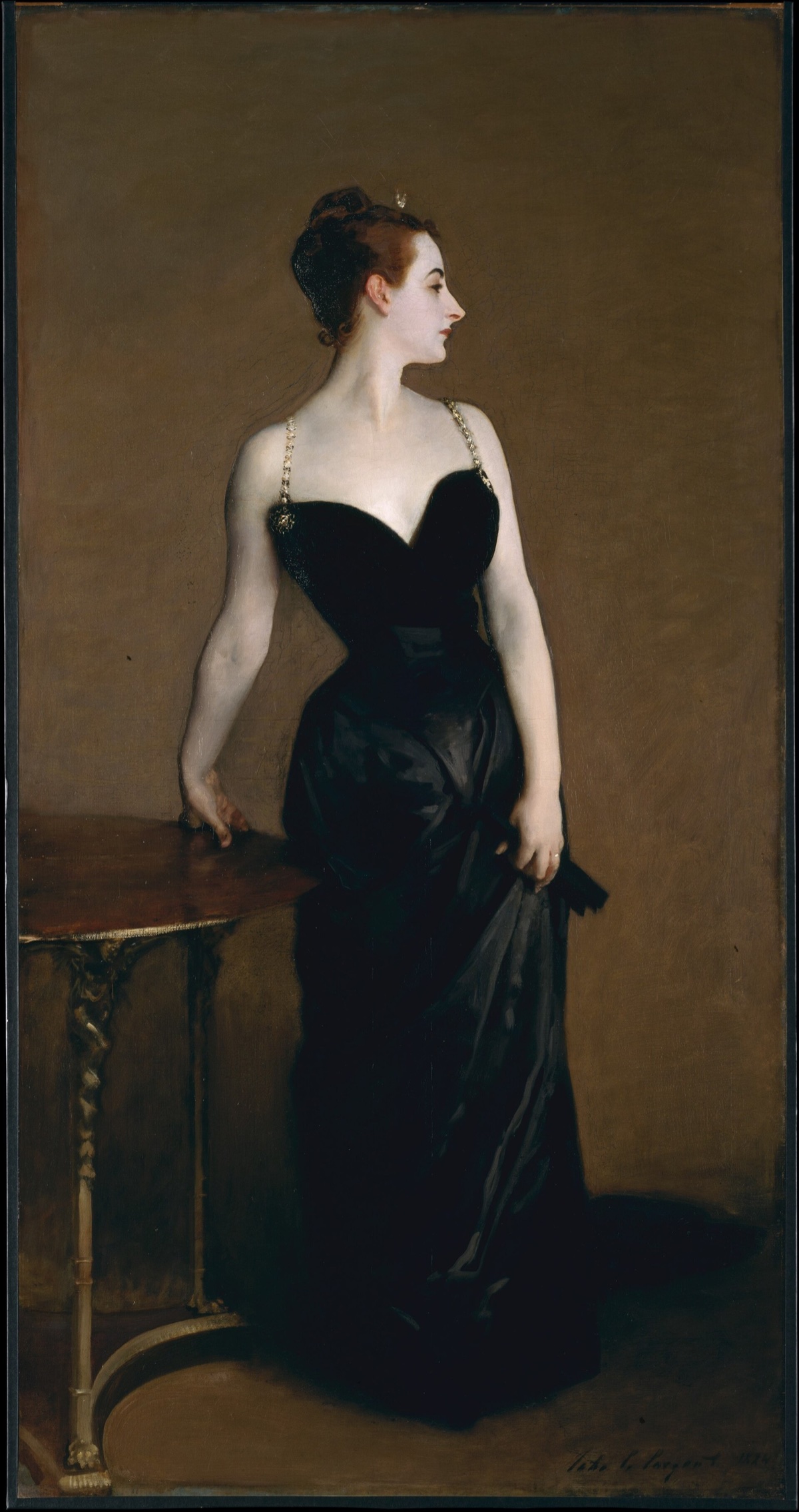
Painter, 1856 to 1925
John Singer Sargent
Madame X, the portrait that caused a scandal in Paris and drove Sargent to London, hangs in the American Wing of the Met. He sold it to the museum himself.
Realism. 3 works in 1 museum
See the artist
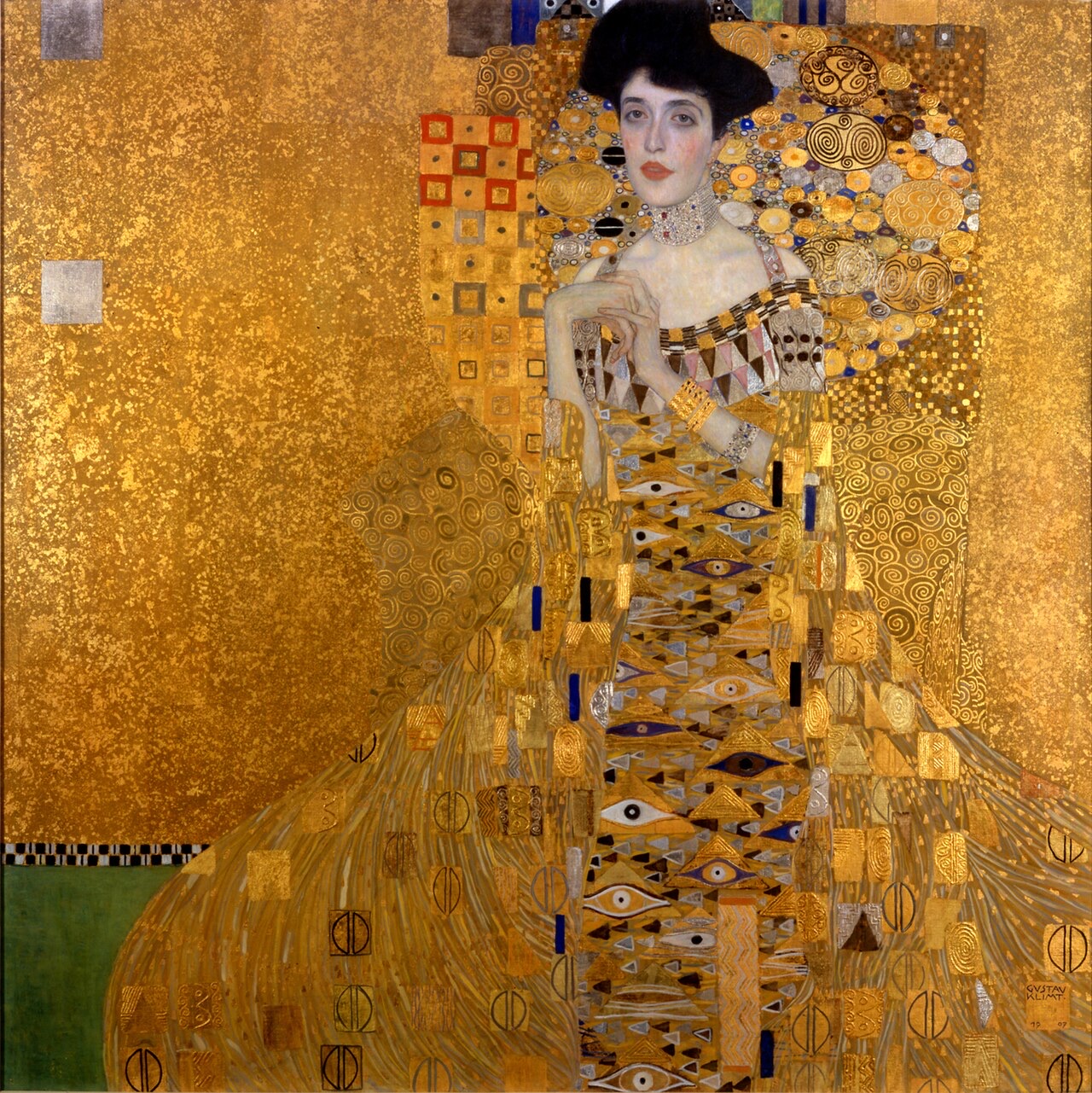
Painter, 1862 to 1918
Gustav Klimt
Klimt's golden portrait of Adele Bloch-Bauer hangs in the Neue Galerie on Fifth Avenue. The Met, four blocks south, has his portrait of the girl Mäda Primavesi, and MoMA has Hope, II.
Vienna Secession. 3 works in 3 museums
See the artist