Sculptor, 1529 to 1608
Giambologna
Giambologna came to Italy to study and stopped in Florence on his way home. He stayed fifty years, and filled the city's squares, gardens and fountains with bronze and marble.
- Born
- 1529, Douai, Flanders
- Died
- 1608, Florence, Italy
- Movement
- Mannerism
- In Florence
- 3 works in 3 museums
Where to see Giambologna in Florence
Each work with the museum it hangs in. Museums move and lend their works, so check before a special journey.
Loggia dei Lanzi, Piazza della Signoria1 work
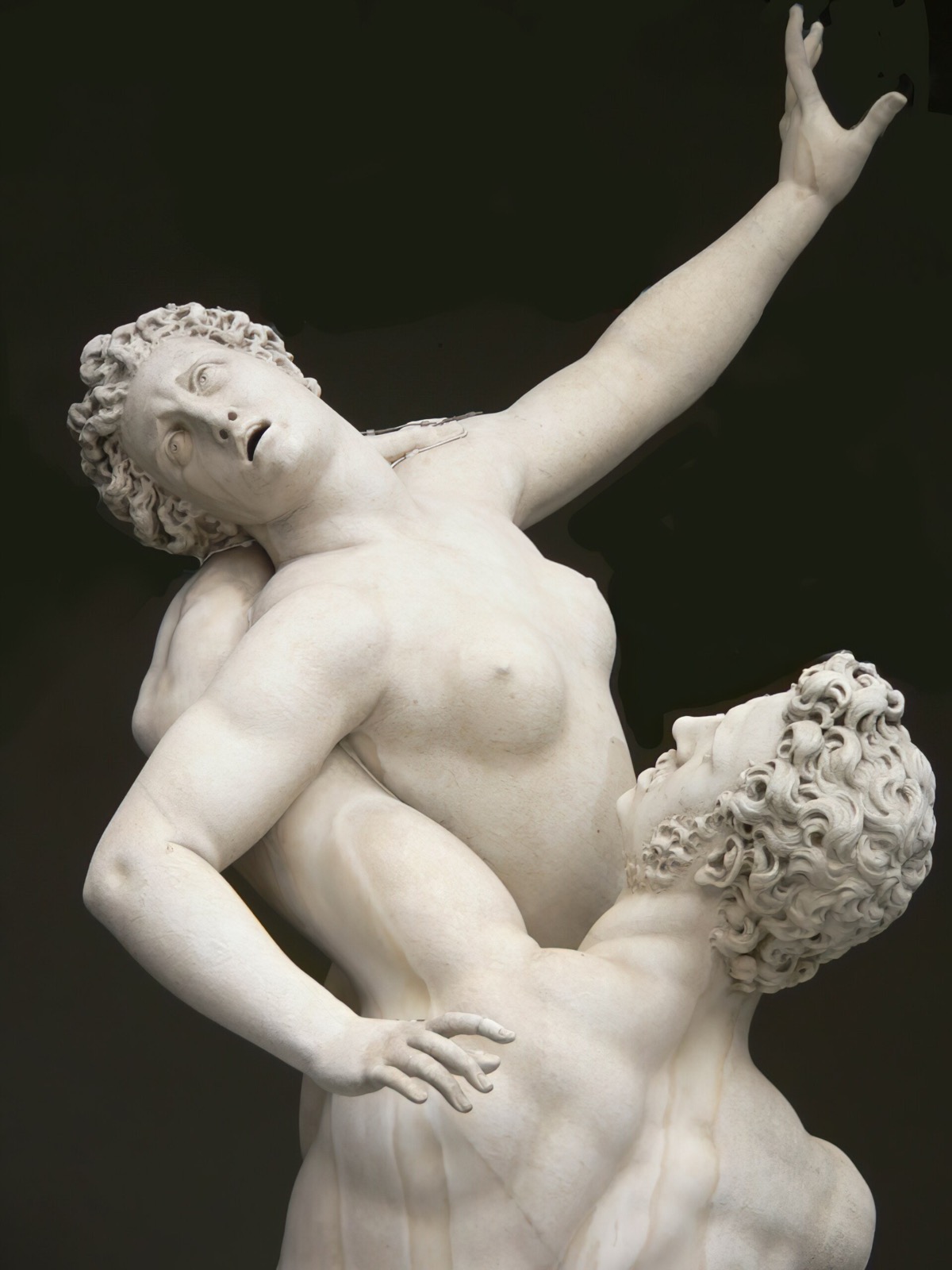
The Rape of the Sabine Women
1579 to 1583
Three figures in a rising spiral, with no front and no back: you have to walk round it. He carved it to show what could be done and found a subject for it afterwards.
Bargello National Museum1 work
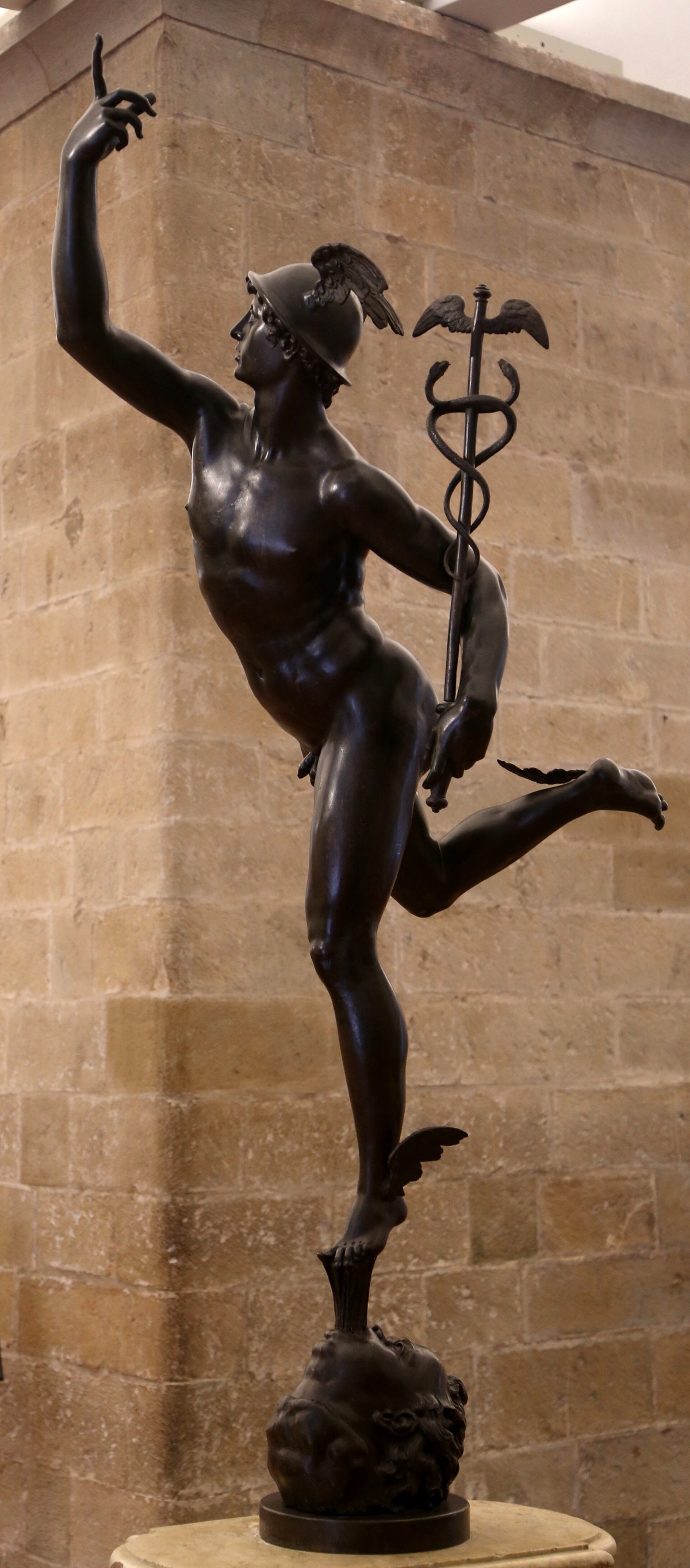
Mercury
about 1580
The messenger of the gods balanced on the toes of one foot on a breath of wind, one arm pointing to the sky.
Piazza della Signoria1 work
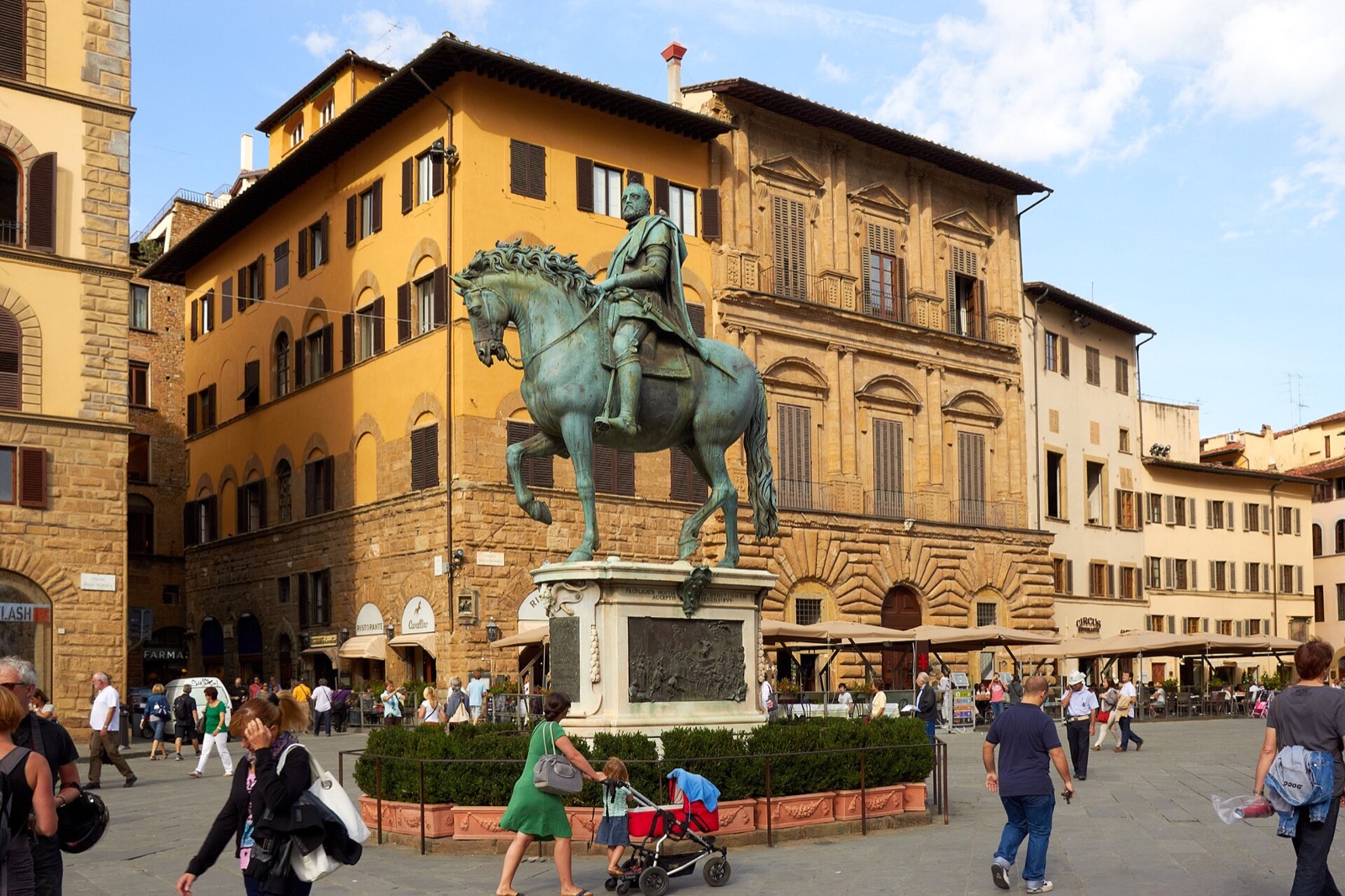
Equestrian statue of Cosimo I
1587 to 1594
The first grand duke on horseback, in bronze, at the north side of the square. It was the first statue of its kind made in Florence.
The life of Giambologna
Jean de Boulogne was born at Douai in 1529 and trained in Antwerp. The Medici would not let him leave Florence, for fear that other courts would keep him, and his workshop supplied small bronzes as diplomatic presents to half the rulers of Europe.
He died in Florence in 1608 and is buried in a chapel he designed for himself in Santissima Annunziata.
What to know
- Carved the Rape of the Sabine Women from a single block of marble
- Made the equestrian statue of Cosimo I in Piazza della Signoria
- The Medici never allowed him to leave Florence
- Born
- 1529, Douai, Flanders
- Died
- 13 August 1608, Florence, Italy
Giambologna: common questions
- Where can you see Giambologna in Florence?
- At the Loggia dei Lanzi, Piazza della Signoria: The Rape of the Sabine Women. At the Bargello National Museum: Mercury. At Piazza della Signoria: Equestrian statue of Cosimo I. Museums move and lend their works, so check before a special journey.
- What is Giambologna's most famous work in Florence?
- The Rape of the Sabine Women, of 1579 to 1583, at the Loggia dei Lanzi, Piazza della Signoria. Three figures in a rising spiral, with no front and no back: you have to walk round it. He carved it to show what could be done and found a subject for it afterwards.
- When and where was Giambologna born?
- In 1529, at Douai, Flanders. Giambologna died on 13 August 1608, at Florence, Italy, aged about 79.
- What is Giambologna known for?
- Carved the Rape of the Sabine Women from a single block of marble. Made the equestrian statue of Cosimo I in Piazza della Signoria. The Medici never allowed him to leave Florence. Giambologna was a Flemish sculptor, of Mannerism.
Tickets and tours: Giambologna in Florence
Things to do near the Bargello
The nearest of this site's best things to do in the city. Distances are in a straight line.
- 4Walk the halls of the Palazzo Vecchio200 m awayMonument, 1.5 to 2.5 hours, square free, ticket for the palace
- 12See the real Gates of Paradise at the Opera del Duomo Museum300 m awayMuseum, 1.5 to 2 hours, ticket
- 3Climb Brunelleschi's dome on the Duomo350 m awayChurch, 2 to 3 hours, cathedral free, ticket for the dome
- 1Stand in front of Botticelli's Venus at the Uffizi350 m awayMuseum, 2.5 to 4 hours, ticket
Where to eat near the Bargello
The nearest of the famous tables this site lists in Florence. Distances are in a straight line.
- Vivoli4.5Gelateria, Santa Croce200 m away
- Antico Ristorante Paoli4.7Restaurant, Orsanmichele200 m away
- Perché no!4.6Gelateria, Orsanmichele200 m away
- Rivoire3.8Café and chocolate maker, Piazza della Signoria250 m away
Hotels near the Bargello
The five-star hotels closest to it, of those this site lists in Florence. Distances are in a straight line.
- Hotel Bernini Palace4.7Five-star hotel, Piazza della Signoria150 m away
- Palazzo Portinari Salviati4.8Five-star hotel, Via del Corso150 m away
- Hotel Savoy4.7Five-star hotel, Piazza della Repubblica300 m away
- Portrait Firenze4.8Five-star hotel, Ponte Vecchio450 m away
Other artists
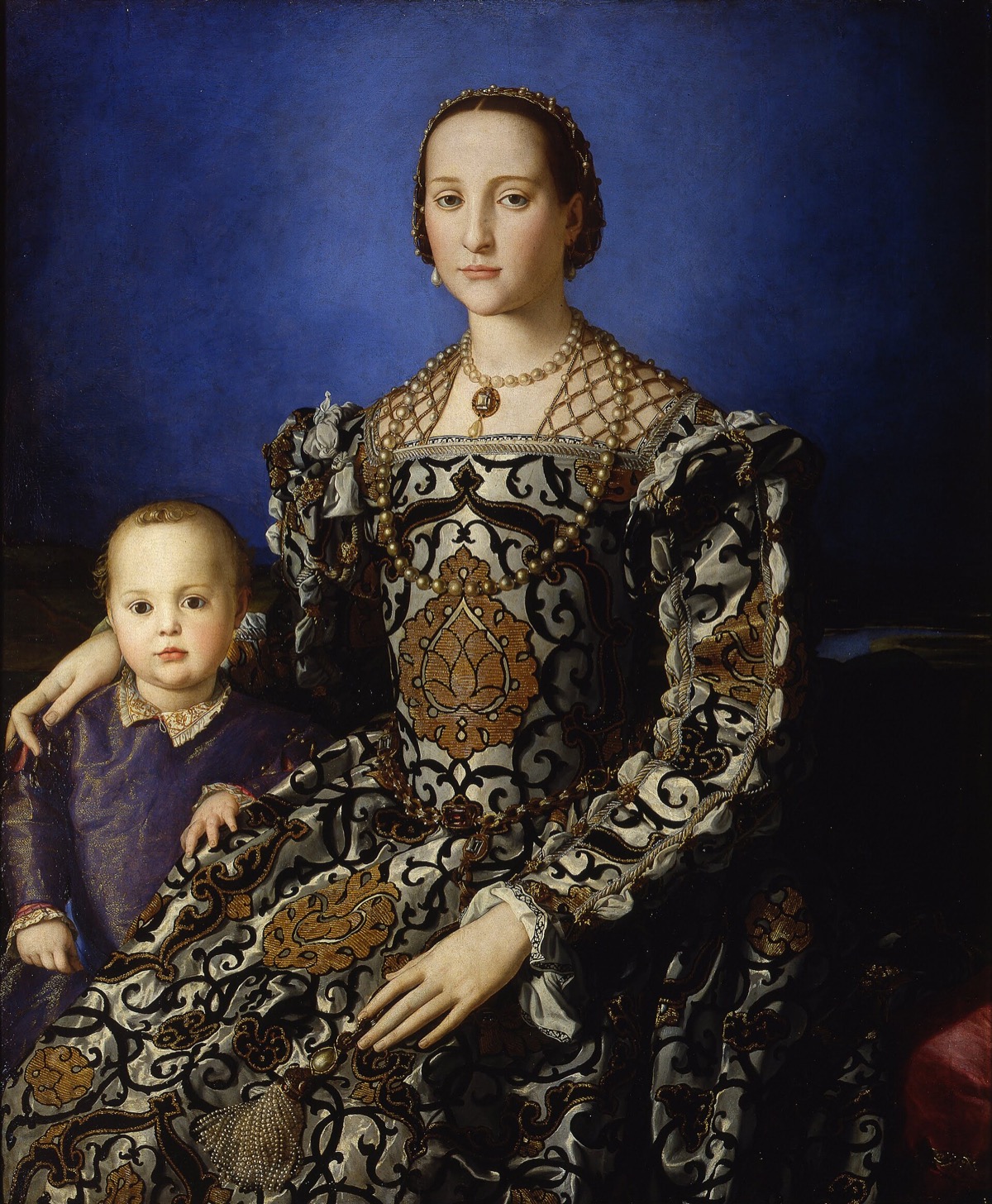
Painter, 1503 to 1572
Bronzino
The court painter of the first Medici grand duke. His portraits in the Uffizi, cool, polished and unreadable, are how we picture the Florence of Cosimo I.
Mannerism. 3 works in 2 museums
See the artist
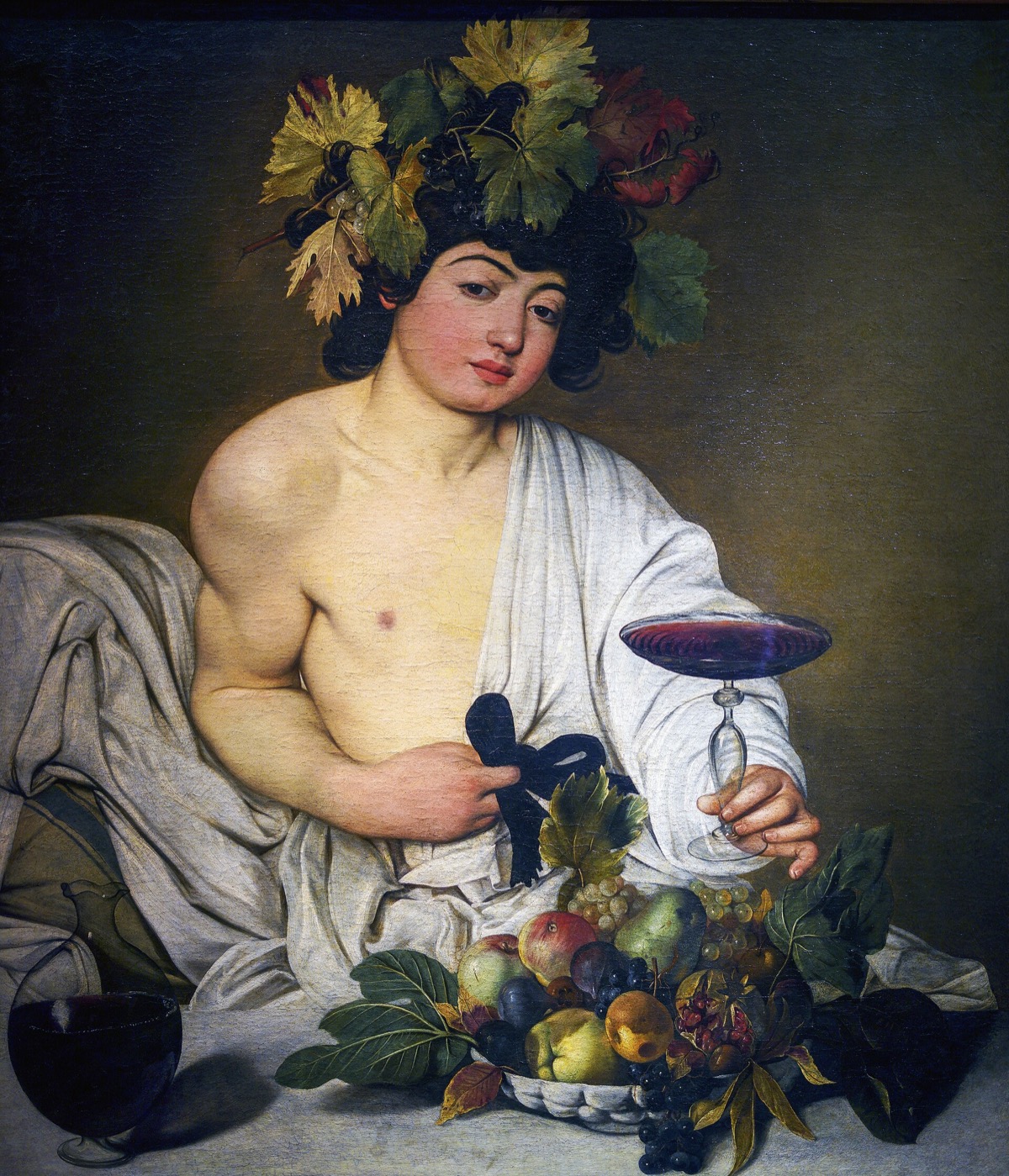
Painter, 1571 to 1610
Caravaggio
Caravaggio never worked in Florence, but the Medici collected him early. The Uffizi has his Bacchus, the Medusa painted on a shield and the Sacrifice of Isaac. The Pitti Palace has the Sleeping Cupid.
Baroque. 4 works in 2 museums
See the artist
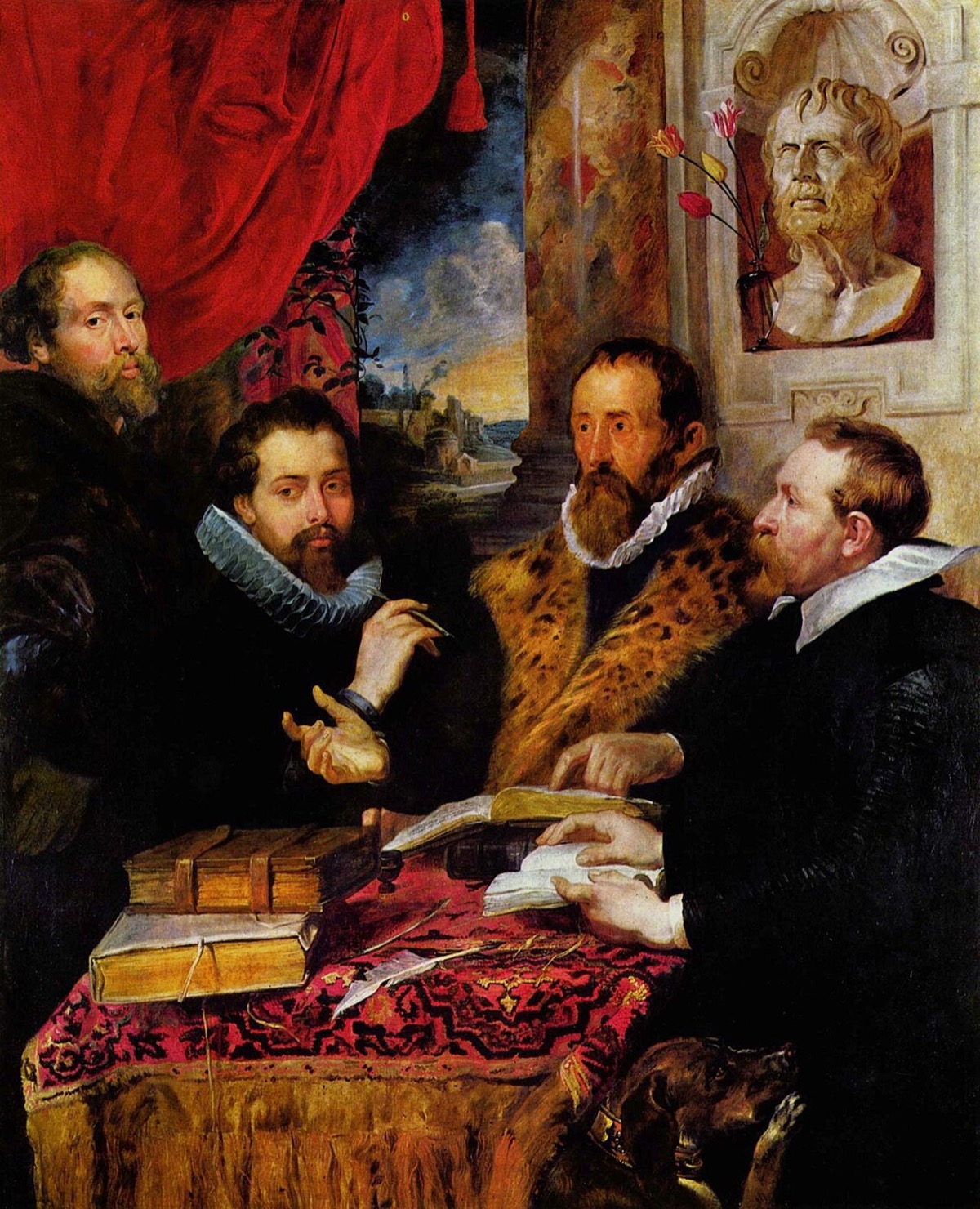
Painter, 1577 to 1640
Peter Paul Rubens
The Pitti Palace has two of Rubens's most personal pictures, the Four Philosophers and the Consequences of War. The Uffizi has two battle scenes for a king of France, each the size of a wall.
Baroque. 3 works in 2 museums
See the artist