Painter, 1577 to 1640
Peter Paul Rubens
Rubens passed through Florence as a young man in the service of the Duke of Mantua, and was a guest at a Medici wedding. The Medici went on buying him for the rest of his life.
- Born
- 1577, Siegen, Germany
- Died
- 1640, Antwerp, Belgium
- Movement
- Baroque
- In Florence
- 3 works in 2 museums
Where to see Peter Paul Rubens in Florence
Each work with the museum it hangs in. Museums move and lend their works, so check before a special journey.
Pitti Palace, Palatine Gallery2 works
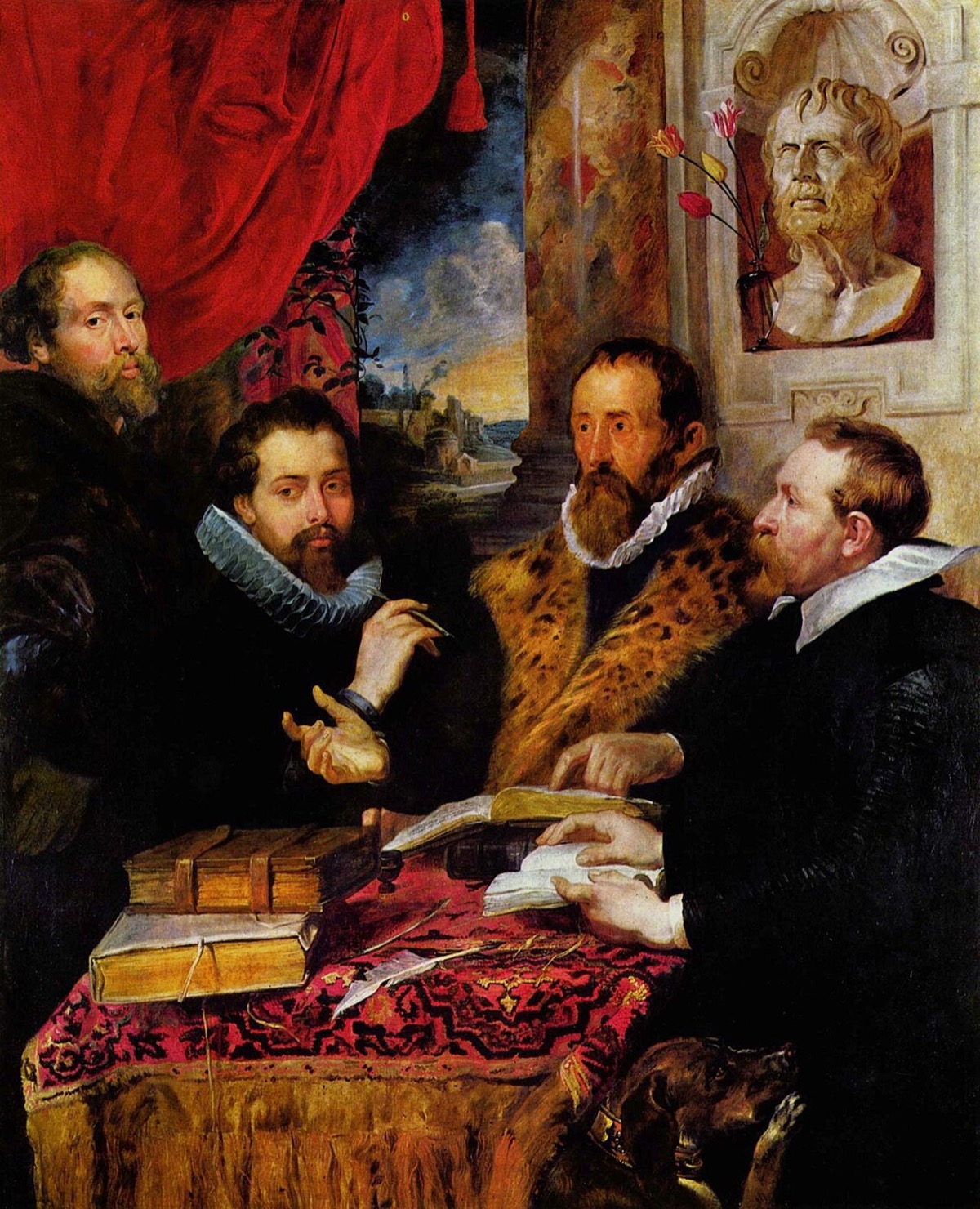
The Four Philosophers
about 1611 to 1612
Rubens stands at the left beside his dead brother, their teacher Justus Lipsius and a fellow pupil, under a bust then thought to be Seneca.
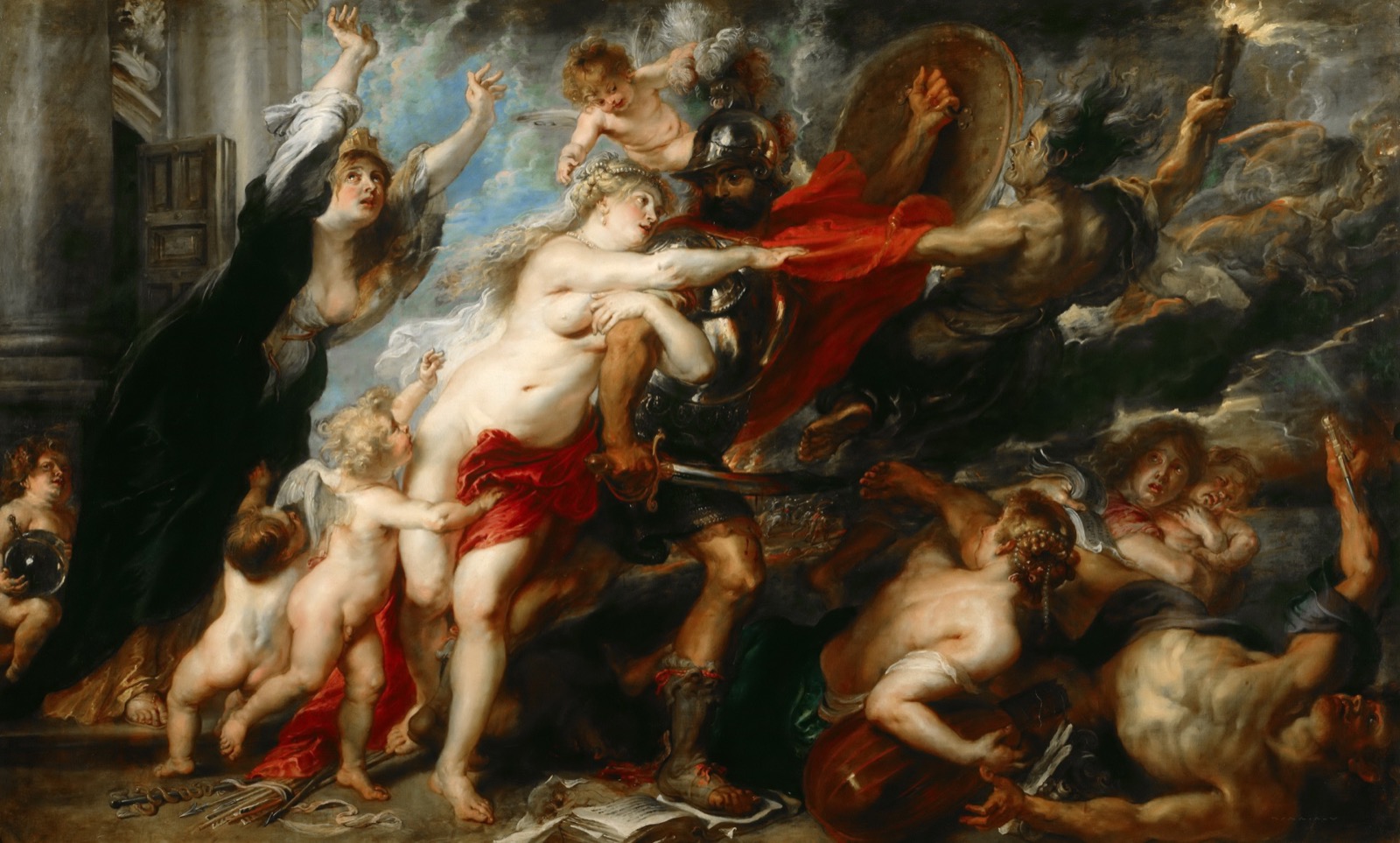
The Consequences of War
1638 to 1639
Mars strides out to war, dragged on by a Fury, while Venus tries to hold him back and Europe throws up her arms. He painted it during the Thirty Years' War and explained every figure in a letter.
Uffizi Gallery1 work
Henry IV at the Battle of Ivry
1627 to 1630
One of a pair of huge canvases from a cycle on the French king's life, ordered by his widow Marie de' Medici and abandoned when she fell from power.
The life of Peter Paul Rubens
Rubens was born in 1577 and grew up in Antwerp. He left for Italy in 1600 and stayed until 1608, in the service of the Duke of Mantua. In Rome he won the most sought-after commission of the day, the high altar of the new church of the Oratorians.
Back in Antwerp he ran the busiest workshop in Europe, served as a diplomat between Spain and England, and was knighted by both. He died in 1640.
What to know
- Painted the Consequences of War in 1638 for the Grand Duke of Tuscany
- Put his own portrait in the Four Philosophers
- His two canvases for Henry IV of France in the Uffizi were never finished
- Born
- 28 June 1577, Siegen, Germany
- Died
- 30 May 1640, Antwerp, Belgium
Peter Paul Rubens: common questions
- Where can you see Peter Paul Rubens in Florence?
- At the Pitti Palace, Palatine Gallery: The Four Philosophers and The Consequences of War. At the Uffizi Gallery: Henry IV at the Battle of Ivry. Museums move and lend their works, so check before a special journey.
- What is Peter Paul Rubens's most famous work in Florence?
- The Four Philosophers, of about 1611 to 1612, at the Pitti Palace, Palatine Gallery. Rubens stands at the left beside his dead brother, their teacher Justus Lipsius and a fellow pupil, under a bust then thought to be Seneca.
- When and where was Peter Paul Rubens born?
- On 28 June 1577, at Siegen, Germany. Peter Paul Rubens died on 30 May 1640, at Antwerp, Belgium, aged about 63.
- What is Peter Paul Rubens known for?
- Painted the Consequences of War in 1638 for the Grand Duke of Tuscany. Put his own portrait in the Four Philosophers. His two canvases for Henry IV of France in the Uffizi were never finished. Peter Paul Rubens was a Flemish painter, of the Baroque.
Tickets and tours: Peter Paul Rubens in Florence
Things to do near the Pitti Palace
The nearest of this site's best things to do in the city. Distances are in a straight line.
- 16Cross the river to the Oltrarno and the Brancacci Chapel250 m awayWalk, 2 to 3 hours, free to walk, ticket for the chapel
- 8Climb through the Boboli Gardens350 m awayGarden, 1.5 to 2.5 hours, ticket
- 5Cross the Ponte Vecchio at sunset400 m awayWalk, 20 to 45 minutes, free
- 1Stand in front of Botticelli's Venus at the Uffizi500 m awayMuseum, 2.5 to 4 hours, ticket
Where to eat near the Pitti Palace
The nearest of the famous tables this site lists in Florence. Distances are in a straight line.
- Trattoria Antico Fattore4.5Trattoria, Uffizi550 m away
- Rivoire3.8Café and chocolate maker, Piazza della Signoria650 m away
- Il Latini4.3Restaurant, Via de' Tornabuoni700 m away
- Giacosa 18154.7Café and cocktail bar, Via de' Tornabuoni700 m away
Hotels near the Pitti Palace
The five-star hotels closest to it, of those this site lists in Florence. Distances are in a straight line.
- Hotel Lungarno4.7Five-star hotel, Oltrarno350 m away
- Portrait Firenze4.8Five-star hotel, Ponte Vecchio450 m away
- Porta Rossa4.8Five-star hotel, Via Porta Rossa550 m away
- Helvetia & Bristol4.7Five-star hotel, Palazzo Strozzi750 m away
Other artists
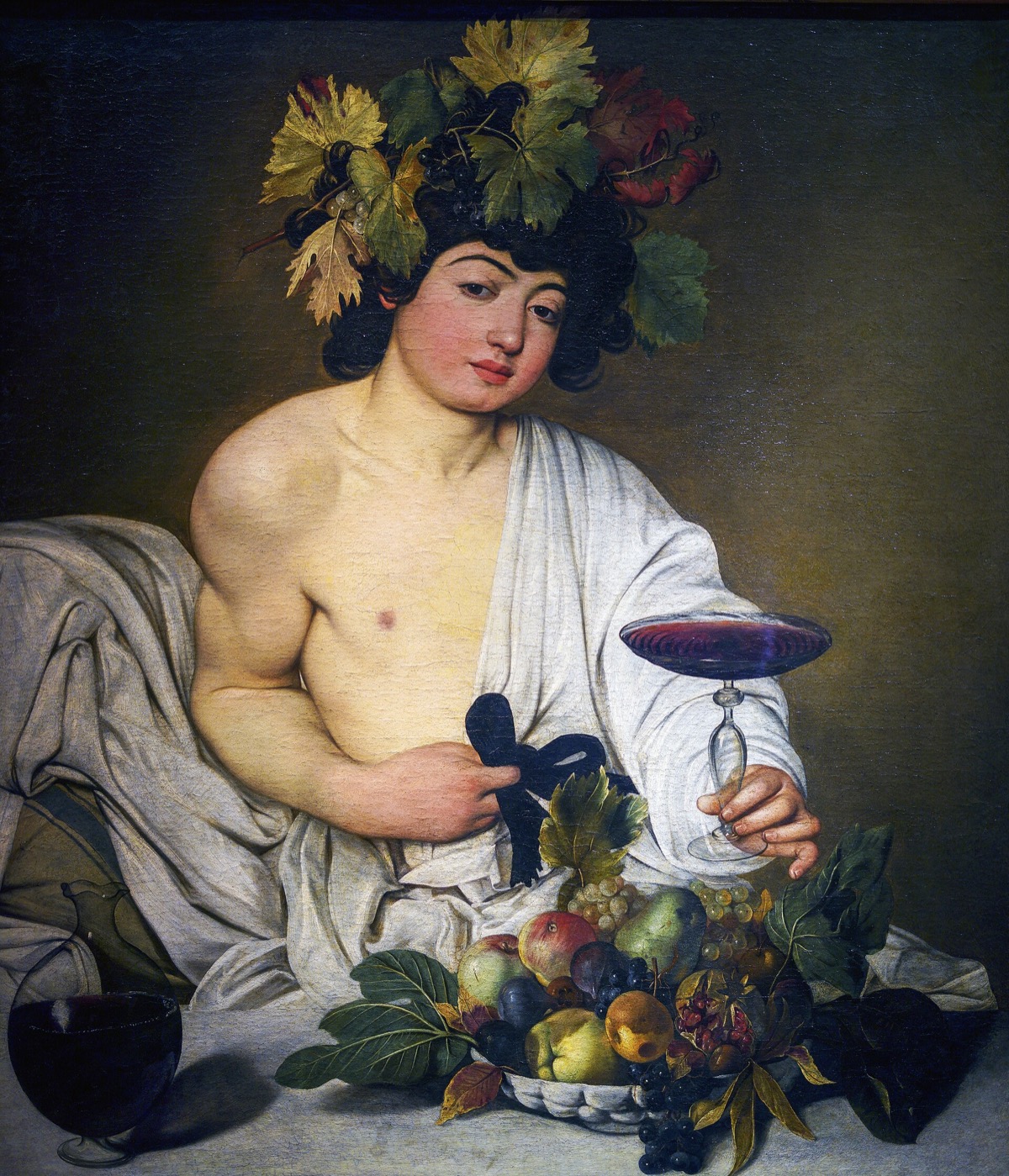
Painter, 1571 to 1610
Caravaggio
Caravaggio never worked in Florence, but the Medici collected him early. The Uffizi has his Bacchus, the Medusa painted on a shield and the Sacrifice of Isaac. The Pitti Palace has the Sleeping Cupid.
Baroque. 4 works in 2 museums
See the artist
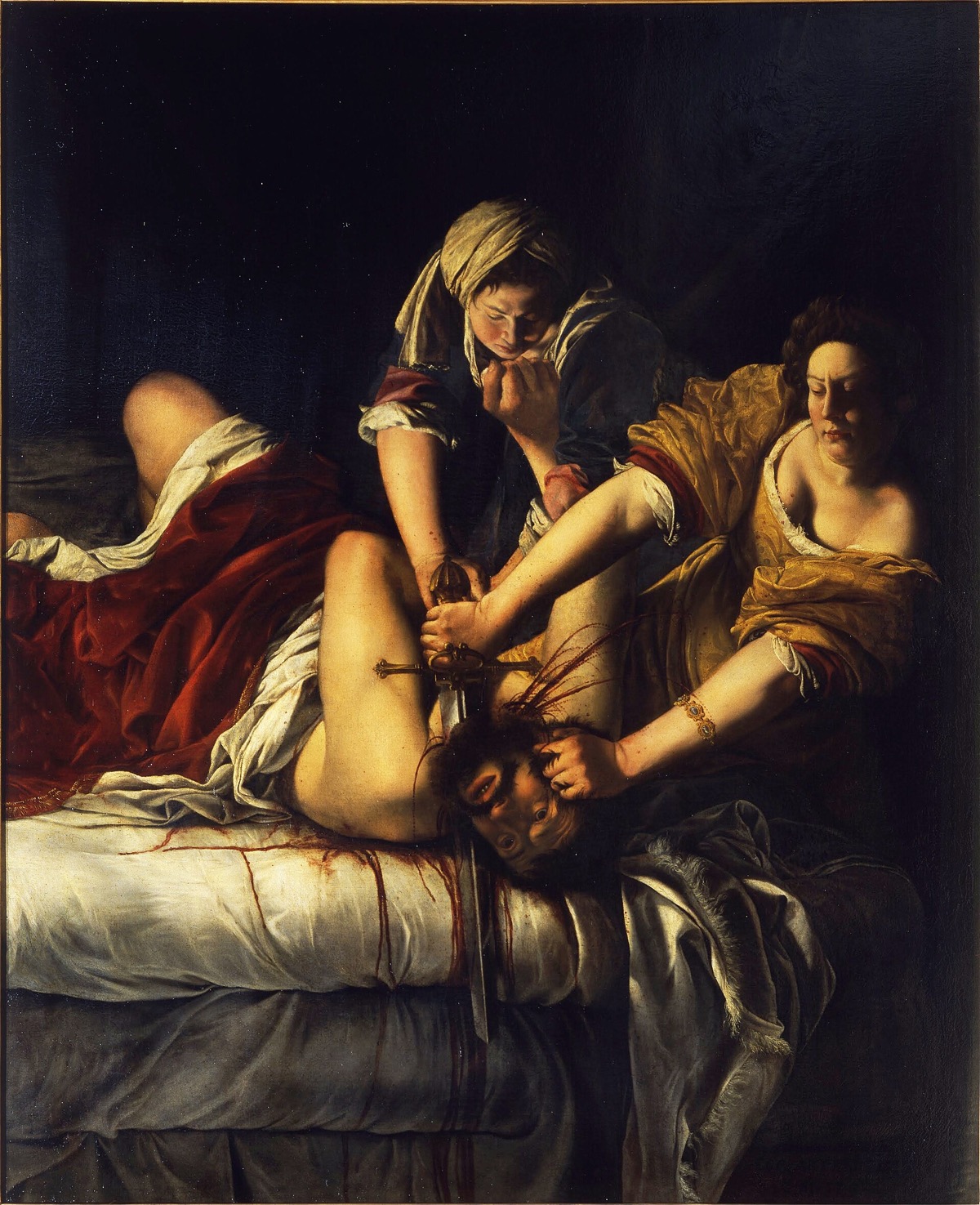
Painter, 1593 to 1654
Artemisia Gentileschi
The most celebrated woman painter of the seventeenth century made her name in Florence. The Uffizi has her Judith Slaying Holofernes, as violent a picture as any by Caravaggio.
Baroque. 2 works in 2 museums
See the artist
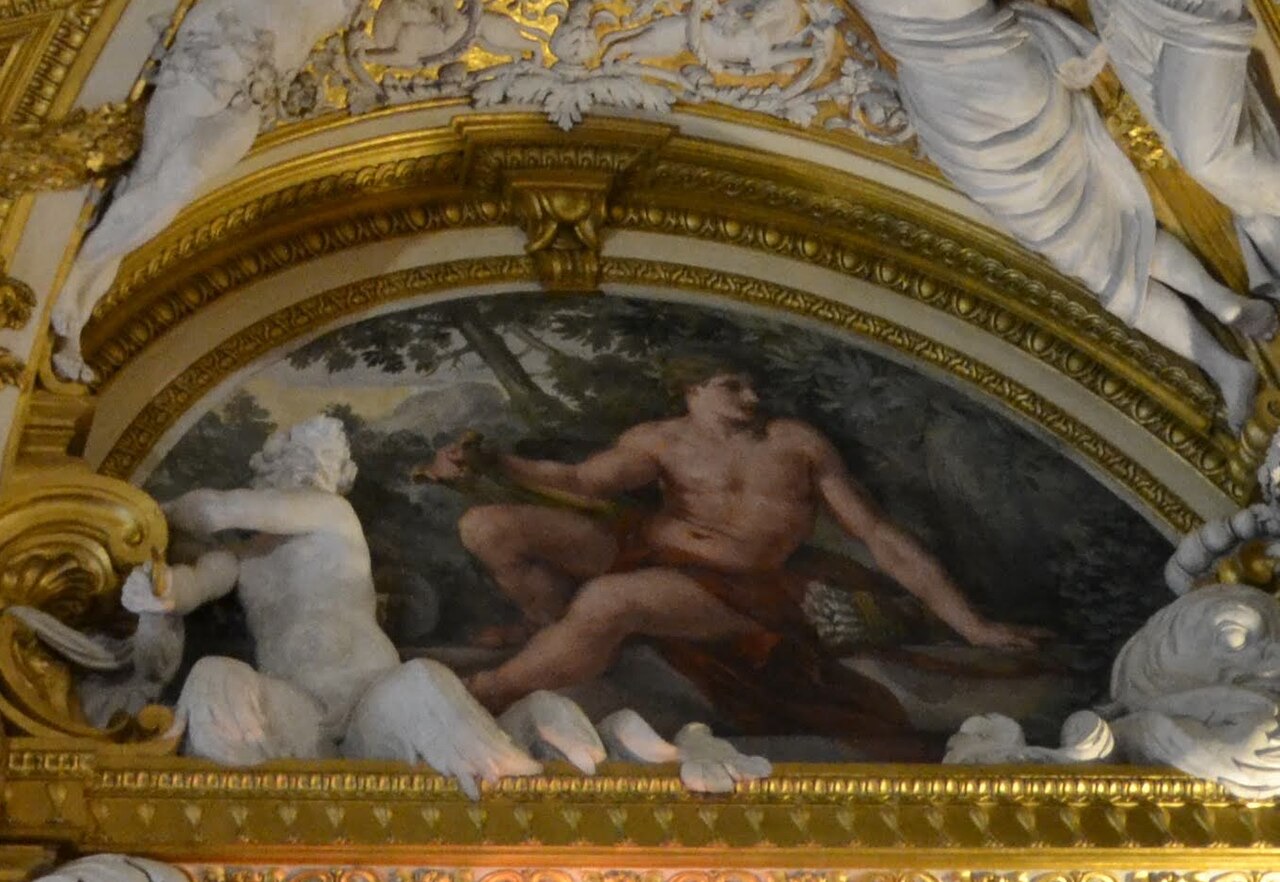
Picture: IlSistemone, CC BY-SA 4.0
Painter, 1596 to 1669
Pietro da Cortona
Pietro da Cortona brought the Roman Baroque to Florence. The painted ceilings of the grand dukes' rooms in the Pitti Palace, named for the planets, are his.
Baroque. 2 works in 1 museum
See the artist