Painter, 1593 to 1654
Artemisia Gentileschi
Artemisia Gentileschi came to Florence at twenty, after a trial in Rome that had made her name notorious. In seven years she won the protection of the Medici and became the first woman admitted to the city's academy of artists.
- Born
- 1593, Rome, Italy
- Died
- 1654, Naples, Italy
- Movement
- Baroque
- In Florence
- 2 works in 2 museums
Where to see Artemisia Gentileschi in Florence
Each work with the museum it hangs in. Museums move and lend their works, so check before a special journey.
Uffizi Gallery1 work
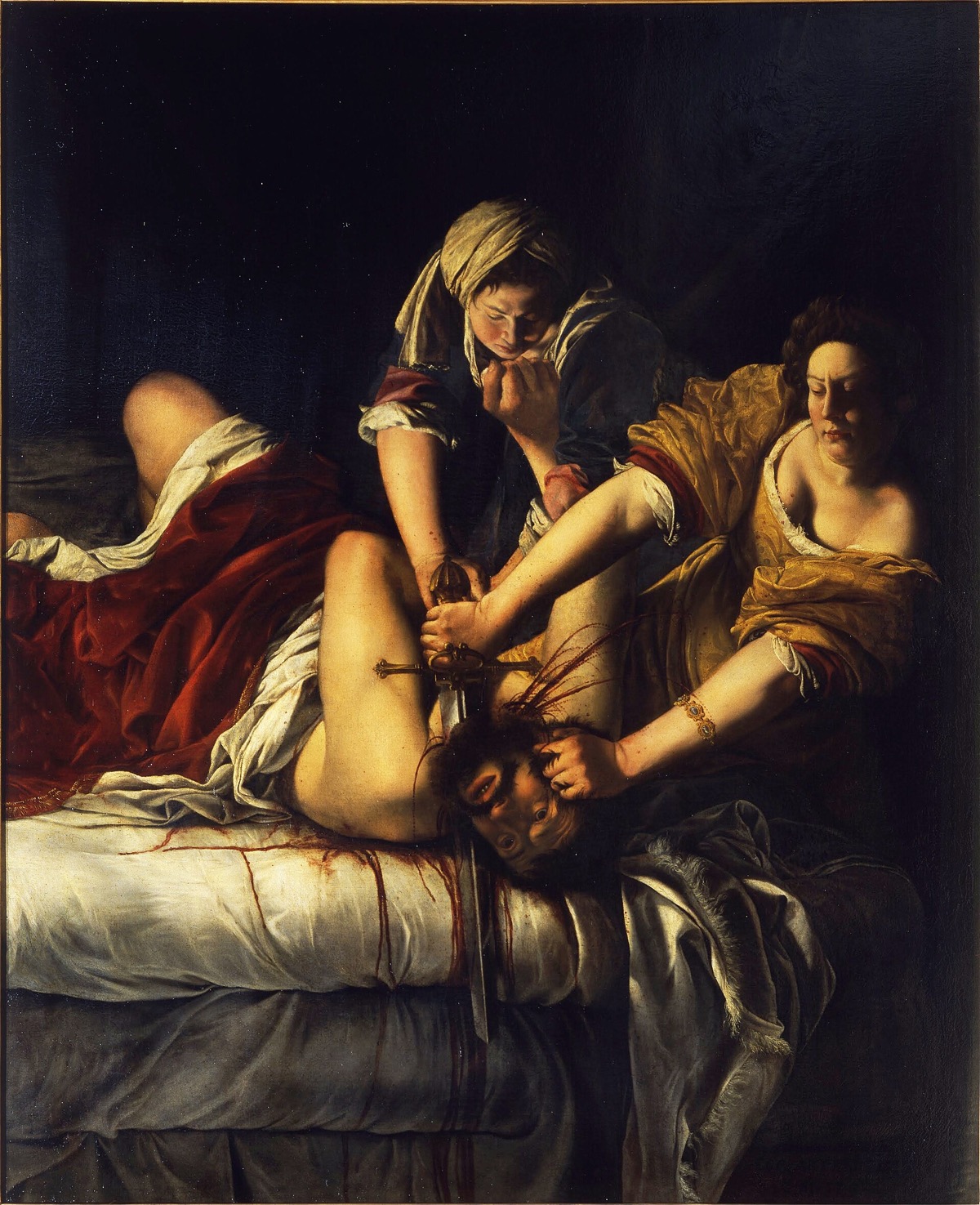
Judith Slaying Holofernes
about 1620
Judith and her maid hold the general down on his bed and cut through his neck. The blood runs into the sheets. It was thought too strong to show and was kept out of sight for years.
Pitti Palace, Palatine Gallery1 work
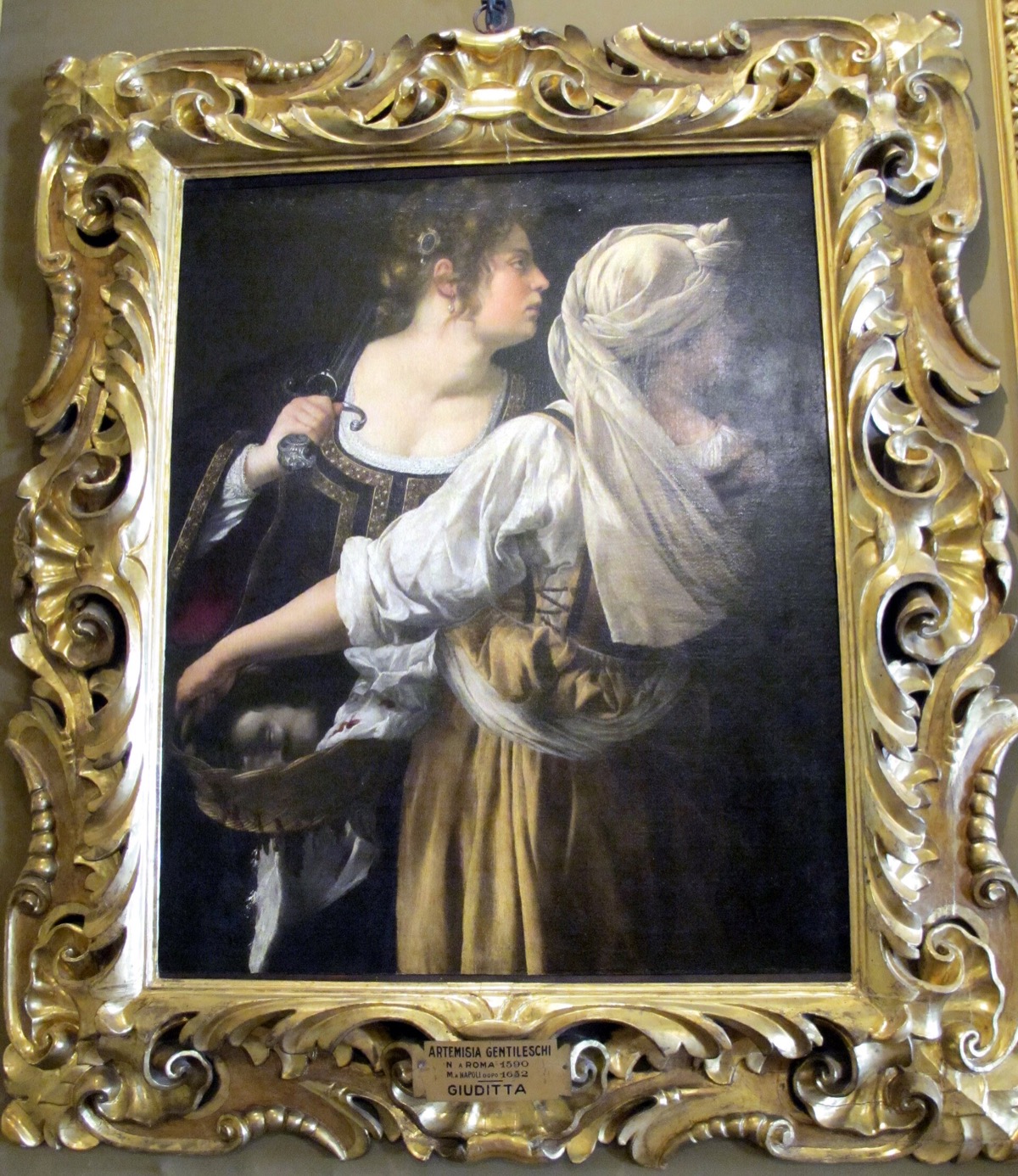
Judith and her Maidservant
about 1618 to 1619
The moment after: the two women pause, listening, with the head in a basket and the sword over Judith's shoulder.
The life of Artemisia Gentileschi
She was born in Rome in 1593, the daughter of the painter Orazio Gentileschi, a follower of Caravaggio, and was painting professionally in her teens. In 1611 she was raped by a painter her father had engaged to teach her, and the trial that followed is recorded in full.
She married and moved to Florence, where she worked for the Grand Duke Cosimo II and for Michelangelo's great-nephew. Later she lived in Rome, Venice, London and Naples, where she died.
What to know
- The first woman to be a member of the Accademia delle Arti del Disegno in Florence
- Painted the story of Judith several times
- Worked in Florence from about 1613 to 1620
- Born
- 8 July 1593, Rome, Italy
- Died
- After January 1654, Naples, Italy
Artemisia Gentileschi: common questions
- Where can you see Artemisia Gentileschi in Florence?
- At the Uffizi Gallery: Judith Slaying Holofernes. At the Pitti Palace, Palatine Gallery: Judith and her Maidservant. Museums move and lend their works, so check before a special journey.
- What is Artemisia Gentileschi's most famous work in Florence?
- Judith Slaying Holofernes, of about 1620, at the Uffizi Gallery. Judith and her maid hold the general down on his bed and cut through his neck. The blood runs into the sheets. It was thought too strong to show and was kept out of sight for years.
- When and where was Artemisia Gentileschi born?
- On 8 July 1593, at Rome, Italy. Artemisia Gentileschi died after January 1654, at Naples, Italy, aged about 61.
- What is Artemisia Gentileschi known for?
- The first woman to be a member of the Accademia delle Arti del Disegno in Florence. Painted the story of Judith several times. Worked in Florence from about 1613 to 1620. Artemisia Gentileschi was an Italian painter, of the Baroque.
Tickets and tours: Artemisia Gentileschi in Florence
Things to do near the Uffizi
The nearest of this site's best things to do in the city. Distances are in a straight line.
- 5Cross the Ponte Vecchio at sunset200 m awayWalk, 20 to 45 minutes, free
- 4Walk the halls of the Palazzo Vecchio200 m awayMonument, 1.5 to 2.5 hours, square free, ticket for the palace
- 9See Donatello's David at the Bargello350 m awayMuseum, 1.3 to 2 hours, ticket
- 7See Raphael and Titian at the Pitti Palace500 m awayMuseum, 2 to 3 hours, ticket
Where to eat near the Uffizi
The nearest of the famous tables this site lists in Florence. Distances are in a straight line.
- Trattoria Antico Fattore4.5Trattoria, Uffizi100 m away
- Rivoire3.8Café and chocolate maker, Piazza della Signoria200 m away
- Perché no!4.6Gelateria, Orsanmichele350 m away
- Antico Ristorante Paoli4.7Restaurant, Orsanmichele350 m away
Hotels near the Uffizi
The five-star hotels closest to it, of those this site lists in Florence. Distances are in a straight line.
- Portrait Firenze4.8Five-star hotel, Ponte Vecchio250 m away
- Hotel Bernini Palace4.7Five-star hotel, Piazza della Signoria250 m away
- Hotel Lungarno4.7Five-star hotel, Oltrarno300 m away
- Porta Rossa4.8Five-star hotel, Via Porta Rossa350 m away
Other artists
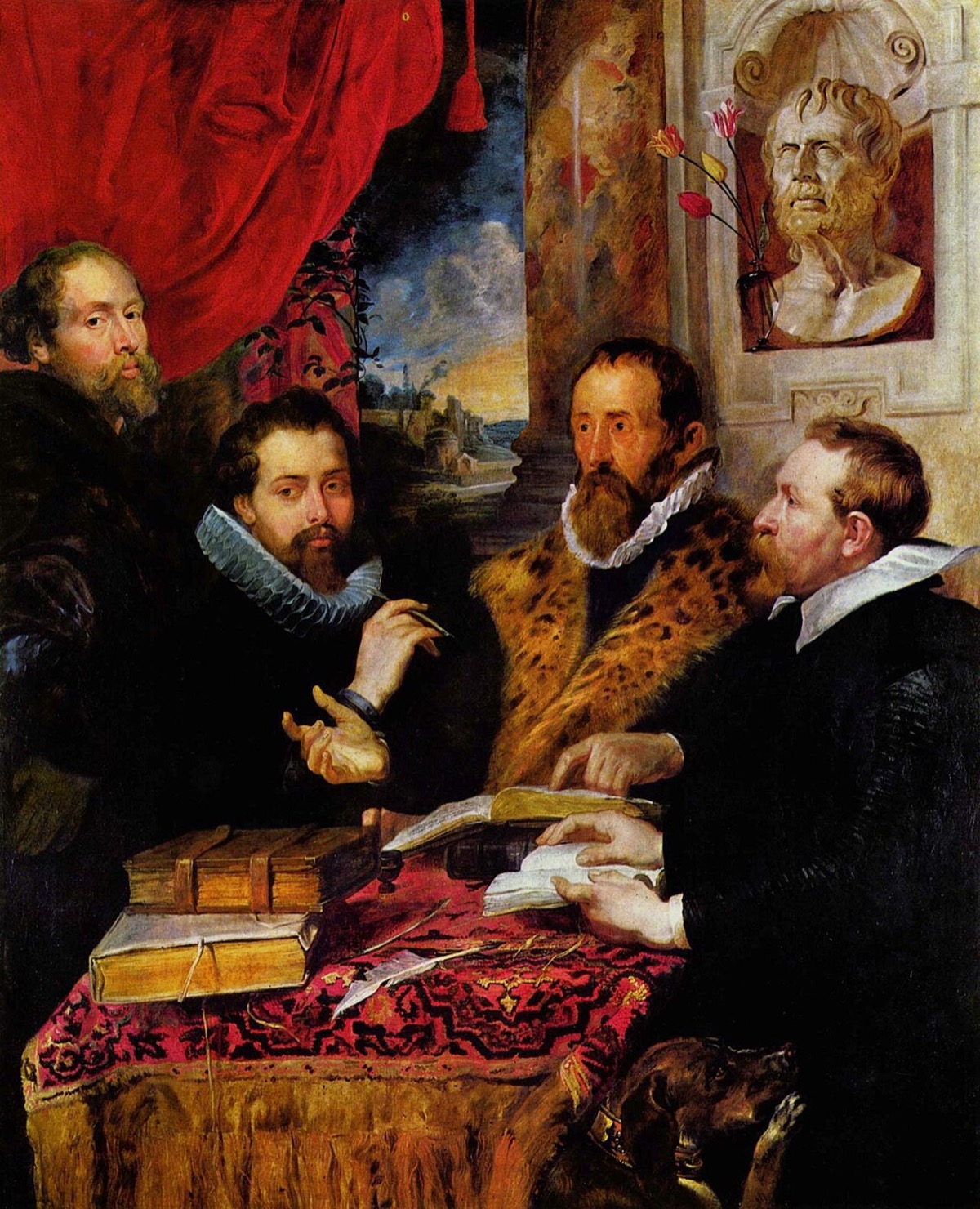
Painter, 1577 to 1640
Peter Paul Rubens
The Pitti Palace has two of Rubens's most personal pictures, the Four Philosophers and the Consequences of War. The Uffizi has two battle scenes for a king of France, each the size of a wall.
Baroque. 3 works in 2 museums
See the artist
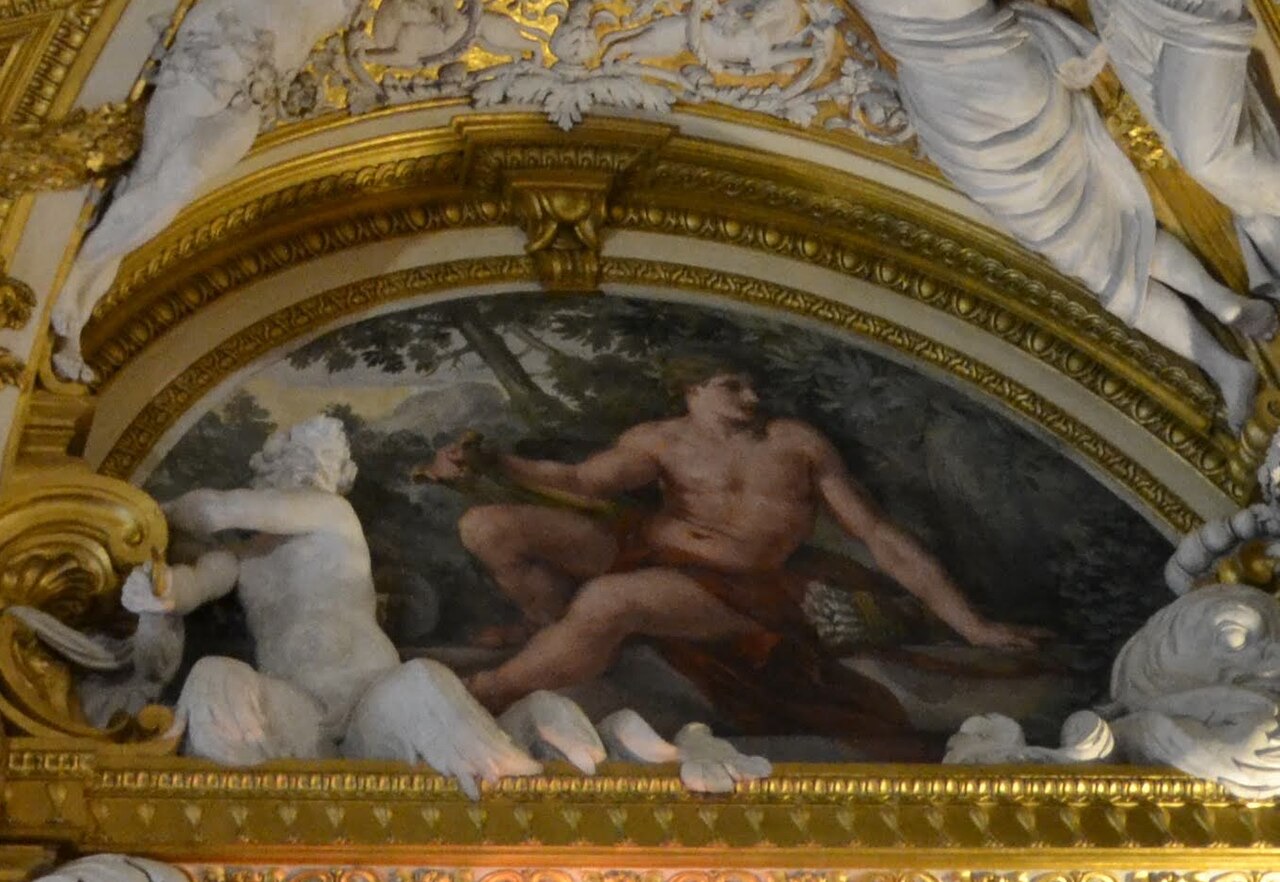
Picture: IlSistemone, CC BY-SA 4.0
Painter, 1596 to 1669
Pietro da Cortona
Pietro da Cortona brought the Roman Baroque to Florence. The painted ceilings of the grand dukes' rooms in the Pitti Palace, named for the planets, are his.
Baroque. 2 works in 1 museum
See the artist
Picture: Francesco Bini, CC BY-SA 4.0
Painter, 1606 to 1669
Rembrandt
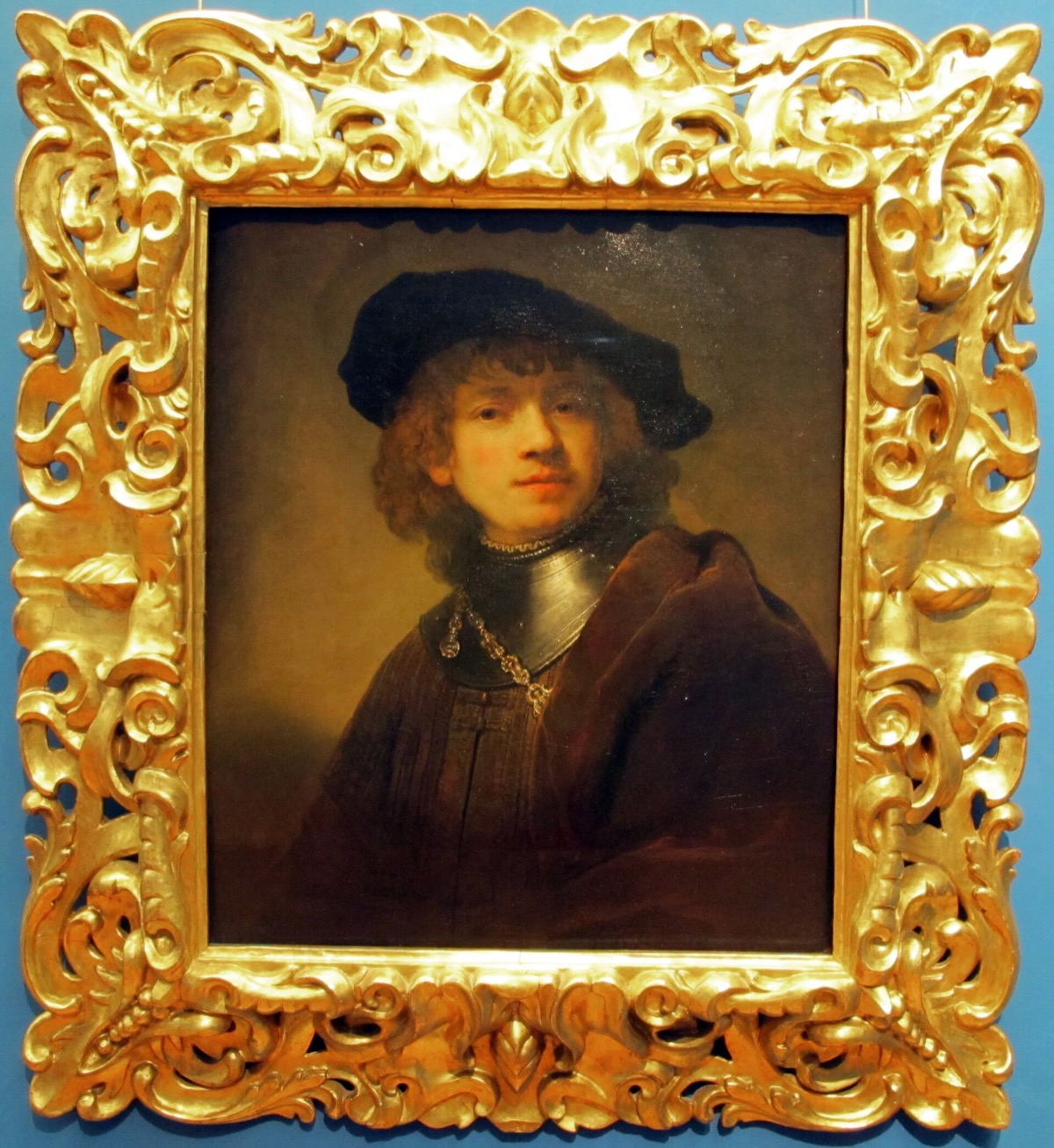
The Uffizi has a self-portrait of Rembrandt's old age, bought by the Medici for their gallery of painters' own likenesses, and a head of a young man long believed to be another.
Dutch Golden Age. 2 works in 1 museum
See the artist