Painter, 1606 to 1669
Rembrandt
A Medici cardinal began collecting the self-portraits of painters in the seventeenth century, and the grand dukes went on with it. That is how Rembrandt comes to be in Florence.
- Born
- 1606, Leiden, Netherlands
- Died
- 1669, Amsterdam, Netherlands
- Movement
- Dutch Golden Age
- In Florence
- 2 works in 1 museum
Where to see Rembrandt in Florence
Each work with the museum it hangs in. Museums move and lend their works, so check before a special journey.
Uffizi Gallery2 works
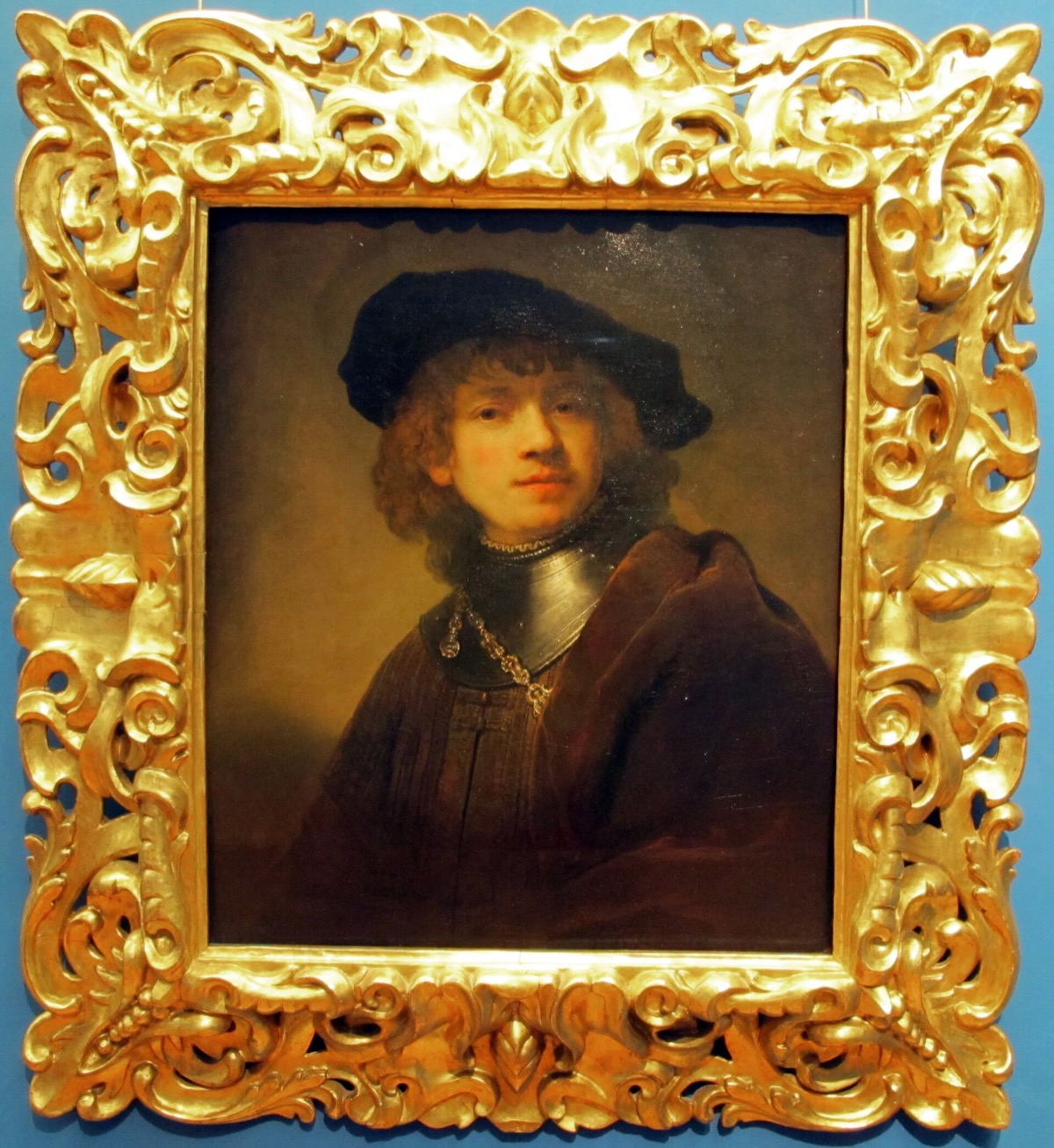
Head of a Young Man
about 1634
A young man in a soft cap and a steel collar. It was shown for centuries as a self-portrait of Rembrandt in his late twenties, and the gallery now calls it a study of a head.
Self-Portrait as an Old Man
about 1665 to 1669
Painted in his last years: a heavy, worn face under a dark cap, with nothing in the picture but the man.
The life of Rembrandt
Rembrandt van Rijn was born in Leiden in 1606 and moved to Amsterdam, where he became the most sought-after portrait painter in the richest city in Europe. He painted, drew and etched without stopping, and made dozens of portraits of himself, from a confident young man to a ruined old one.
His wife Saskia died young, his spending outran his income, and in 1656 he was declared insolvent and his house and collection were sold. The paintings of his last years, darker and rougher, are the ones later centuries came to value most. He died in Amsterdam in 1669.
What to know
- The Uffizi has his self-portrait as an old man
- They belong to the Medici collection of painters' self-portraits, the oldest and largest of its kind
- The Grand Duke Cosimo III called on him in Amsterdam in 1667
- Born
- 15 July 1606, Leiden, Netherlands
- Died
- 4 October 1669, Amsterdam, Netherlands
Rembrandt: common questions
- Where can you see Rembrandt in Florence?
- At the Uffizi Gallery: Head of a Young Man and Self-Portrait as an Old Man. Museums move and lend their works, so check before a special journey.
- What is Rembrandt's most famous work in Florence?
- Head of a Young Man, of about 1634, at the Uffizi Gallery. A young man in a soft cap and a steel collar. It was shown for centuries as a self-portrait of Rembrandt in his late twenties, and the gallery now calls it a study of a head.
- When and where was Rembrandt born?
- On 15 July 1606, at Leiden, Netherlands. Rembrandt died on 4 October 1669, at Amsterdam, Netherlands, aged about 63.
- What is Rembrandt known for?
- The Uffizi has his self-portrait as an old man. They belong to the Medici collection of painters' self-portraits, the oldest and largest of its kind. The Grand Duke Cosimo III called on him in Amsterdam in 1667. Rembrandt was a Dutch painter, of the Dutch Golden Age.
Tickets and tours: Rembrandt in Florence
Things to do near the Uffizi
The nearest of this site's best things to do in the city. Distances are in a straight line.
- 5Cross the Ponte Vecchio at sunset200 m awayWalk, 20 to 45 minutes, free
- 4Walk the halls of the Palazzo Vecchio200 m awayMonument, 1.5 to 2.5 hours, square free, ticket for the palace
- 9See Donatello's David at the Bargello350 m awayMuseum, 1.3 to 2 hours, ticket
- 7See Raphael and Titian at the Pitti Palace500 m awayMuseum, 2 to 3 hours, ticket
Where to eat near the Uffizi
The nearest of the famous tables this site lists in Florence. Distances are in a straight line.
- Trattoria Antico Fattore4.5Trattoria, Uffizi100 m away
- Rivoire3.8Café and chocolate maker, Piazza della Signoria200 m away
- Perché no!4.6Gelateria, Orsanmichele350 m away
- Antico Ristorante Paoli4.7Restaurant, Orsanmichele350 m away
Hotels near the Uffizi
The five-star hotels closest to it, of those this site lists in Florence. Distances are in a straight line.
- Portrait Firenze4.8Five-star hotel, Ponte Vecchio250 m away
- Hotel Bernini Palace4.7Five-star hotel, Piazza della Signoria250 m away
- Hotel Lungarno4.7Five-star hotel, Oltrarno300 m away
- Porta Rossa4.8Five-star hotel, Via Porta Rossa350 m away
Other artists
Picture: IlSistemone, CC BY-SA 4.0
Painter, 1596 to 1669
Pietro da Cortona
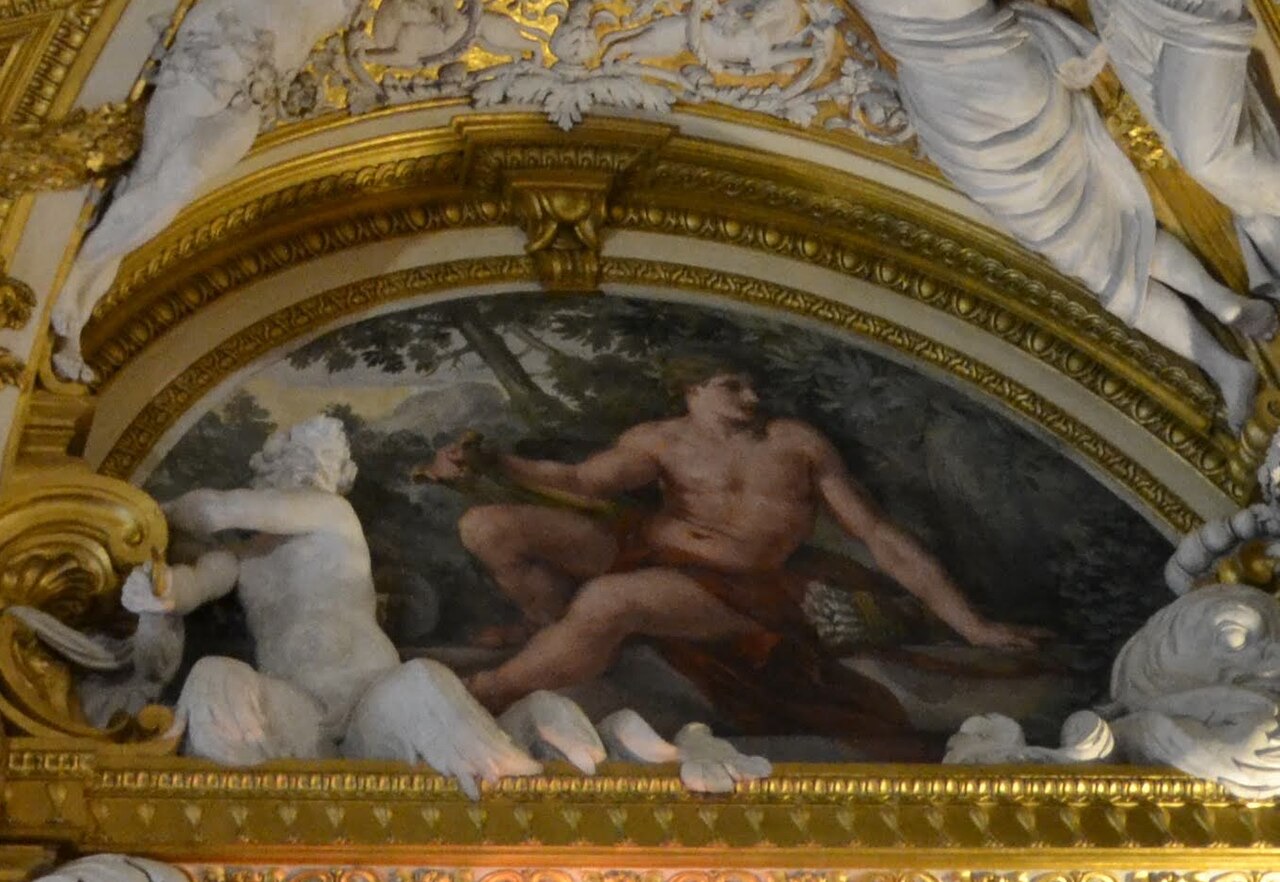
Pietro da Cortona brought the Roman Baroque to Florence. The painted ceilings of the grand dukes' rooms in the Pitti Palace, named for the planets, are his.
Baroque. 2 works in 1 museum
See the artist
Picture: Zairon, CC BY 4.0
Sculptor, 1757 to 1822
Antonio Canova
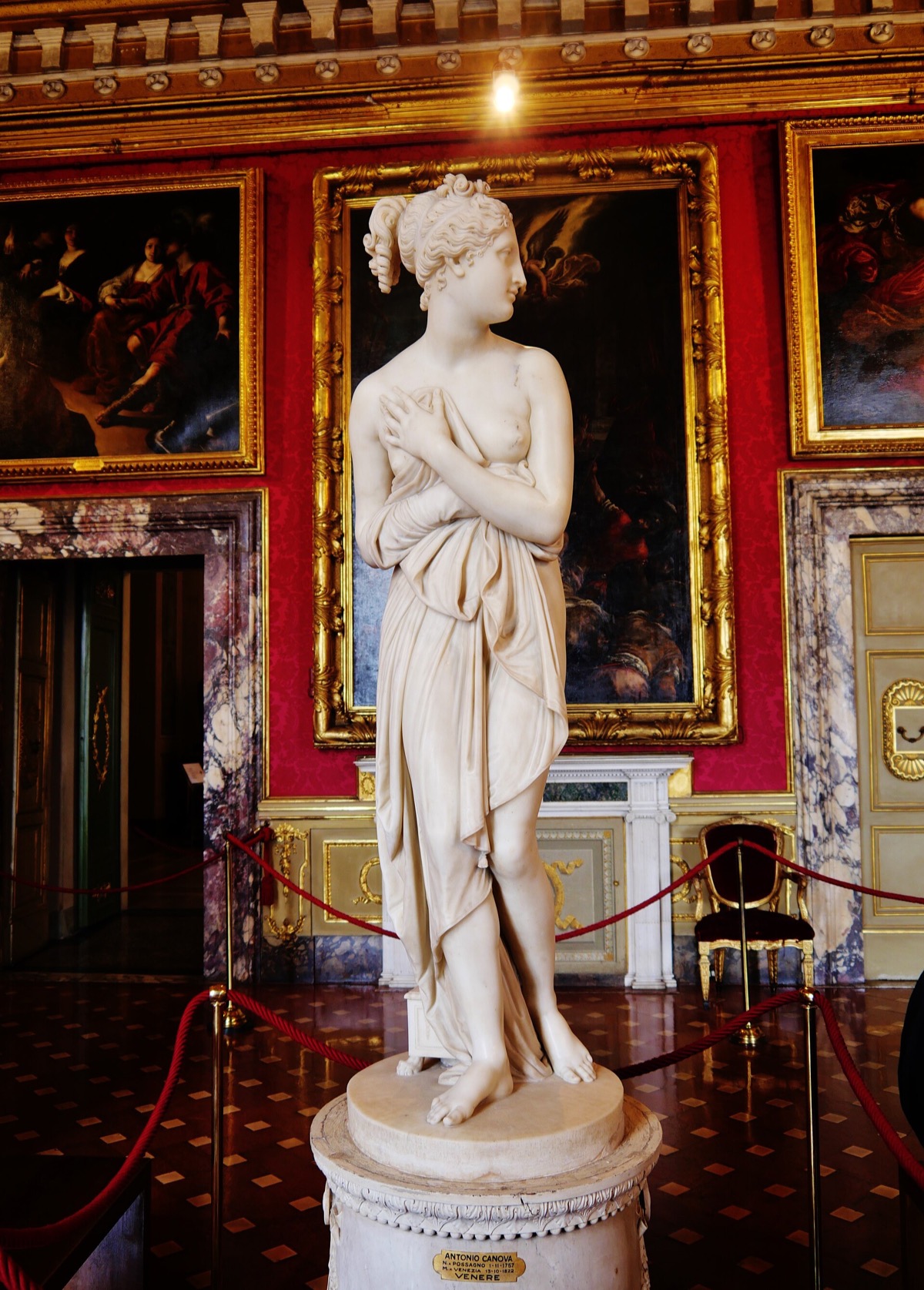
Canova carved a Venus for Florence to replace the ancient one Napoleon had taken. It is in the Pitti Palace, and his monument to the poet Alfieri is in Santa Croce.
Neoclassicism. 2 works in 2 museums
See the artist
Painter, 1593 to 1654
Artemisia Gentileschi
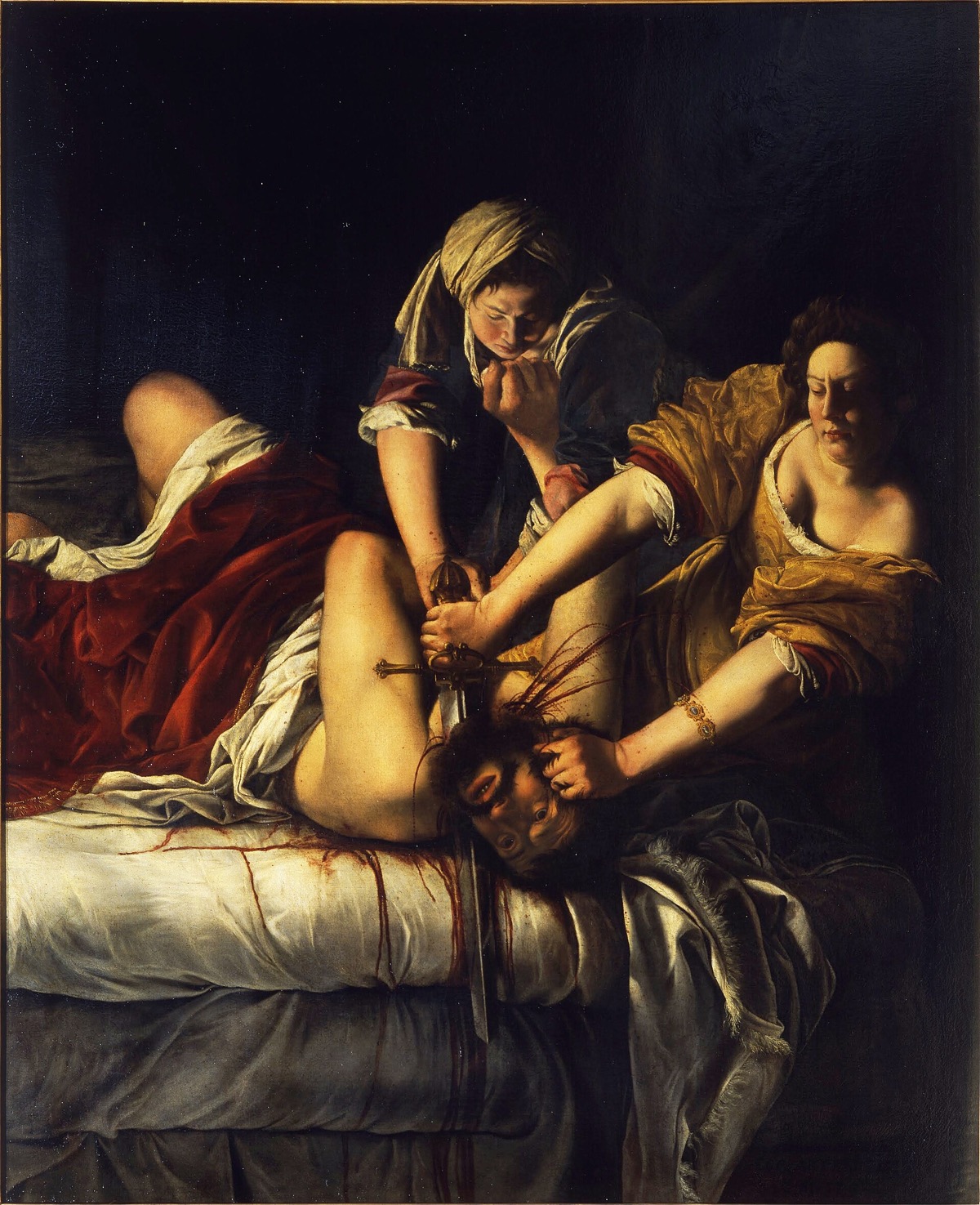
The most celebrated woman painter of the seventeenth century made her name in Florence. The Uffizi has her Judith Slaying Holofernes, as violent a picture as any by Caravaggio.
Baroque. 2 works in 2 museums
See the artist