Painter, 1446 to 1523
Pietro Perugino
Perugino was from Umbria, but for much of the 1480s and 1490s he lived in Florence, married a Florentine and ran one of the busiest workshops in the city. Raphael was his pupil.
- Born
- 1446, Città della Pieve, Umbria, Italy
- Died
- 1523, Fontignano, Umbria, Italy
- Movement
- Early Renaissance
- In Florence
- 3 works in 3 museums
Where to see Pietro Perugino in Florence
Each work with the museum it hangs in. Museums move and lend their works, so check before a special journey.
Uffizi Gallery1 work
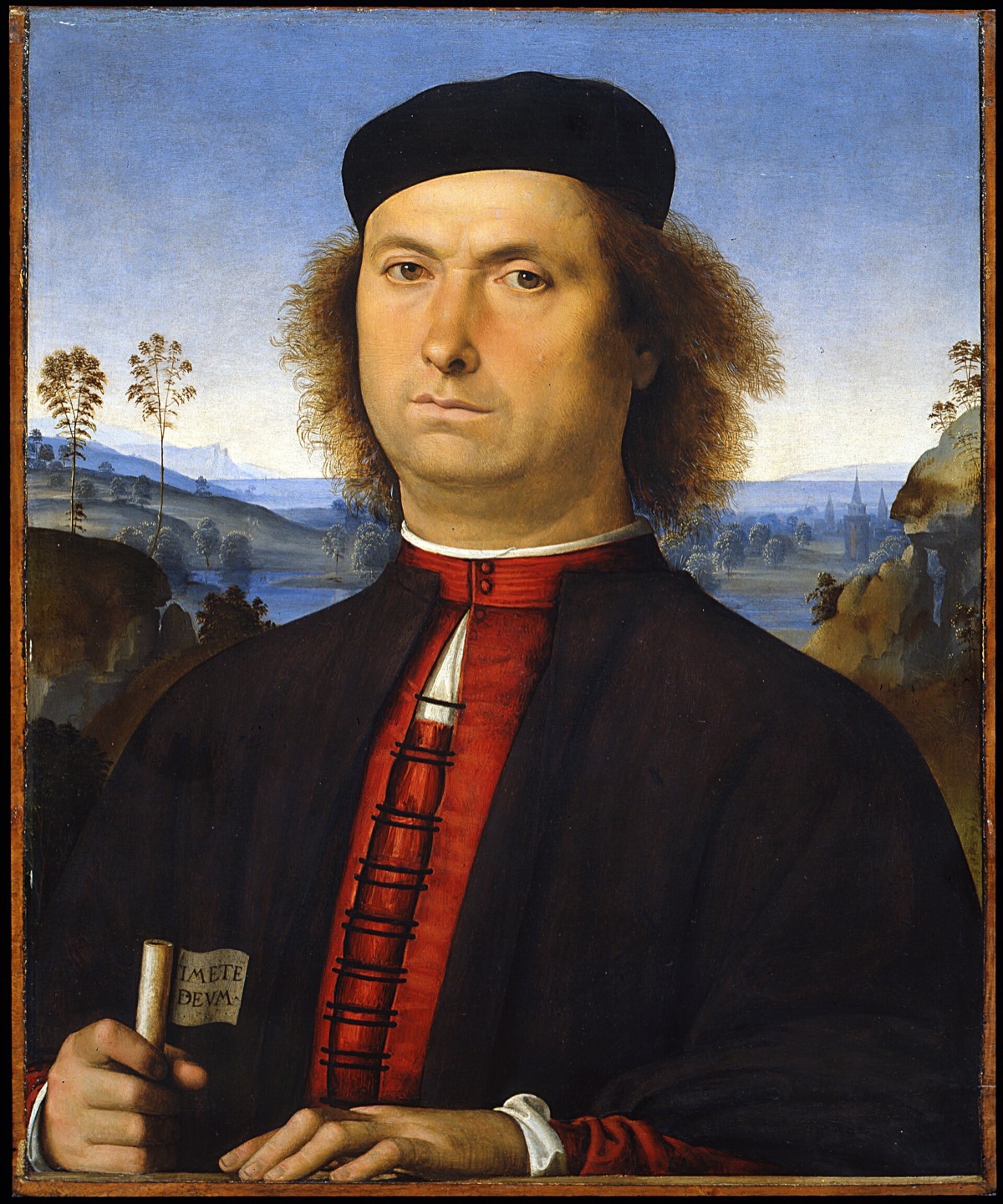
Portrait of Francesco delle Opere
1494
A Florentine gem cutter with a steady gaze, holding a scroll that reads Fear God. It was long thought to be a self-portrait.
Santa Maria Maddalena dei Pazzi1 work
The Crucifixion
1493 to 1496
A fresco across one wall of the chapter house, seen through three painted arches: the cross and the mourners in a wide, still landscape. Few visitors find it.
Pitti Palace, Palatine Gallery1 work
Lamentation over the Dead Christ
1495
The body of Christ mourned by a group of saints in a calm evening landscape, painted for a Florentine convent.
The life of Pietro Perugino
Pietro Vannucci was born in Umbria around 1446 and took his name from Perugia, where he worked. His pictures are all balance and clear air: figures in a row, a wide paved square, a temple, blue hills.
He was the master of the young Raphael, who learned that calm from him and then left it behind. Perugino died of the plague in 1523.
What to know
- Ran a workshop in Florence as well as one in Perugia
- Painted the Crucifixion in the convent of Santa Maria Maddalena dei Pazzi between 1493 and 1496
- Was the teacher of Raphael
- Born
- About 1446, Città della Pieve, Umbria, Italy
- Died
- 1523, Fontignano, Umbria, Italy
Pietro Perugino: common questions
- Where can you see Pietro Perugino in Florence?
- At the Uffizi Gallery: Portrait of Francesco delle Opere. At Santa Maria Maddalena dei Pazzi: The Crucifixion. At the Pitti Palace, Palatine Gallery: Lamentation over the Dead Christ. Museums move and lend their works, so check before a special journey.
- What is Pietro Perugino's most famous work in Florence?
- Portrait of Francesco delle Opere, of 1494, at the Uffizi Gallery. A Florentine gem cutter with a steady gaze, holding a scroll that reads Fear God. It was long thought to be a self-portrait.
- When and where was Pietro Perugino born?
- About 1446, at Città della Pieve, Umbria, Italy. Pietro Perugino died in 1523, at Fontignano, Umbria, Italy, aged about 77.
- What is Pietro Perugino known for?
- Ran a workshop in Florence as well as one in Perugia. Painted the Crucifixion in the convent of Santa Maria Maddalena dei Pazzi between 1493 and 1496. Was the teacher of Raphael. Pietro Perugino was an Italian painter, of the Early Renaissance.
Tickets and tours: Pietro Perugino in Florence
Things to do near the Uffizi
The nearest of this site's best things to do in the city. Distances are in a straight line.
- 5Cross the Ponte Vecchio at sunset200 m awayWalk, 20 to 45 minutes, free
- 4Walk the halls of the Palazzo Vecchio200 m awayMonument, 1.5 to 2.5 hours, square free, ticket for the palace
- 9See Donatello's David at the Bargello350 m awayMuseum, 1.3 to 2 hours, ticket
- 7See Raphael and Titian at the Pitti Palace500 m awayMuseum, 2 to 3 hours, ticket
Where to eat near the Uffizi
The nearest of the famous tables this site lists in Florence. Distances are in a straight line.
- Trattoria Antico Fattore4.5Trattoria, Uffizi100 m away
- Rivoire3.8Café and chocolate maker, Piazza della Signoria200 m away
- Perché no!4.6Gelateria, Orsanmichele350 m away
- Antico Ristorante Paoli4.7Restaurant, Orsanmichele350 m away
Hotels near the Uffizi
The five-star hotels closest to it, of those this site lists in Florence. Distances are in a straight line.
- Portrait Firenze4.8Five-star hotel, Ponte Vecchio250 m away
- Hotel Bernini Palace4.7Five-star hotel, Piazza della Signoria250 m away
- Hotel Lungarno4.7Five-star hotel, Oltrarno300 m away
- Porta Rossa4.8Five-star hotel, Via Porta Rossa350 m away
Other artists
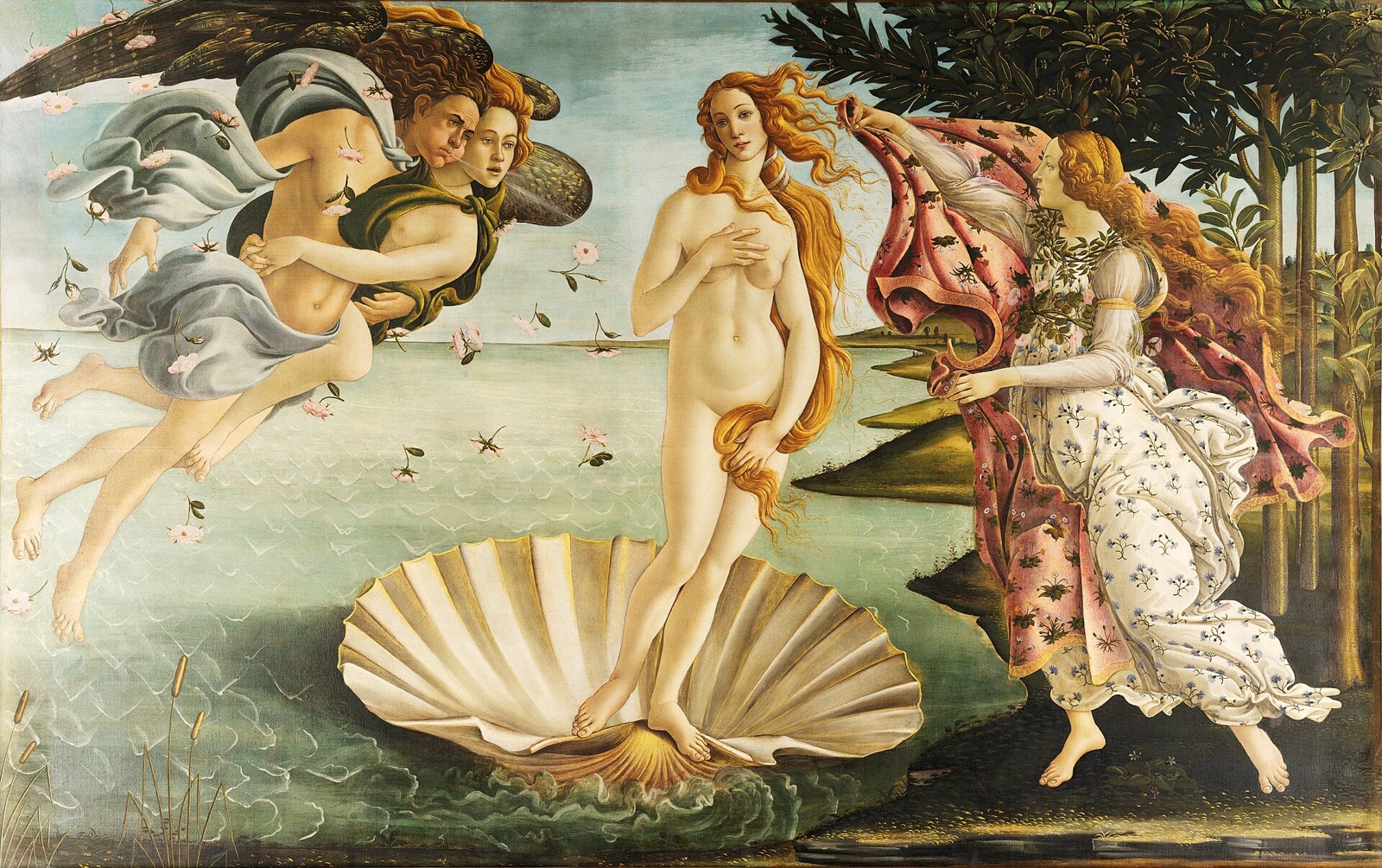
Painter, 1445 to 1510
Sandro Botticelli
Botticelli lived and died in Florence, and the Uffizi has the best of him in two rooms: the Birth of Venus, the Primavera and the Adoration of the Magi in which he painted himself among the Medici.
Early Renaissance. 5 works in 2 museums
See the artist
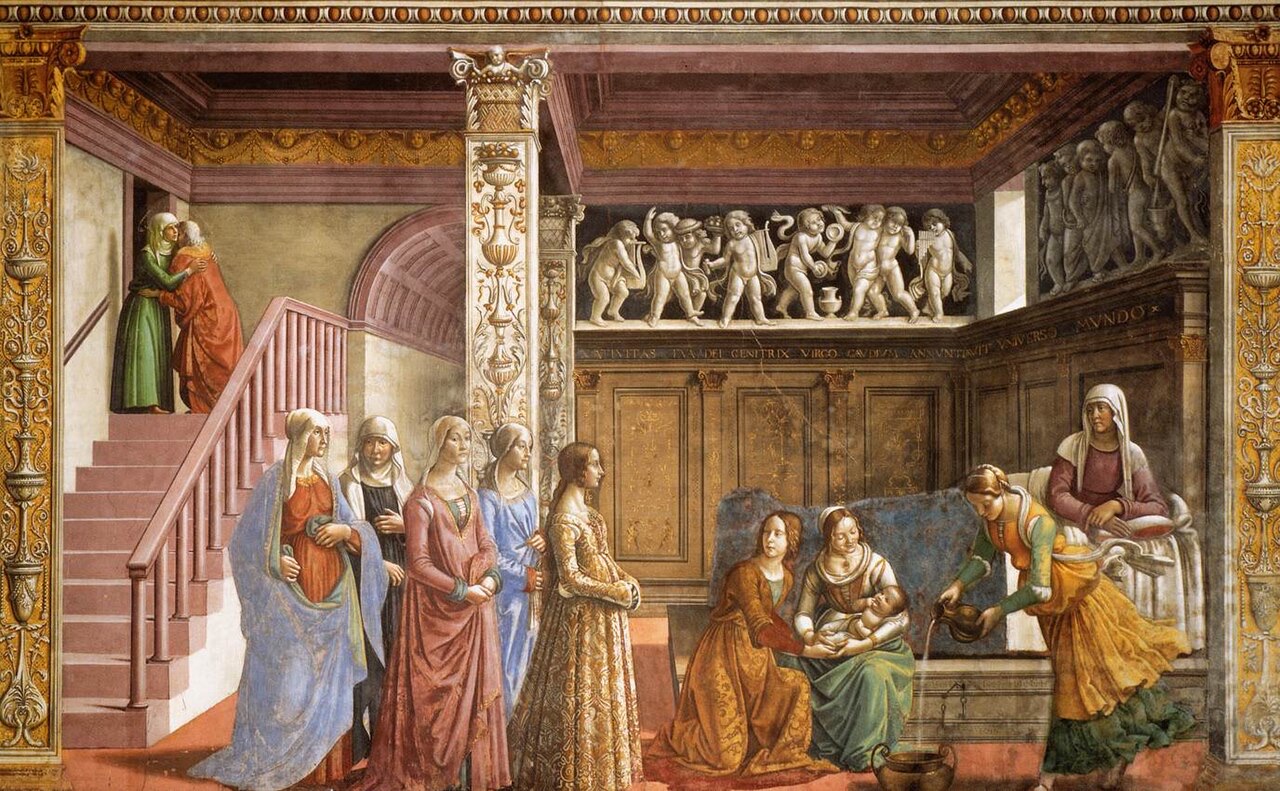
Painter, 1448 to 1494
Domenico Ghirlandaio
The chronicler of Florence in the time of Lorenzo the Magnificent. His frescoes in Santa Maria Novella and Santa Trinita are sacred stories acted out by the city's bankers, wives and children.
Early Renaissance. 3 works in 3 museums
See the artist
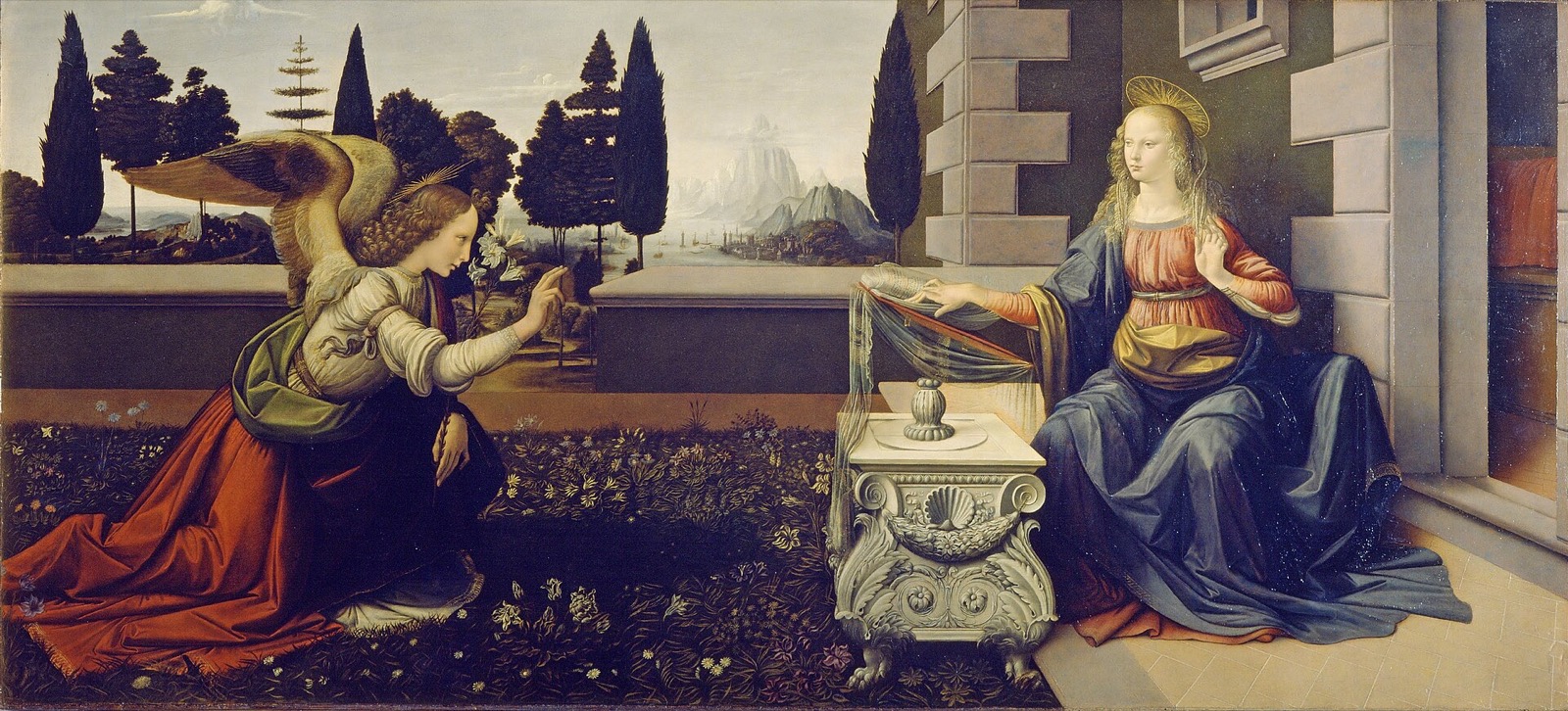
Painter, 1452 to 1519
Leonardo da Vinci
Leonardo learned to paint in Florence, and the Uffizi has what he made there as a young man: the Annunciation, the angel he added to his master's Baptism, and the Adoration of the Magi he left unfinished.
High Renaissance. 3 works in 1 museum
See the artist