Sculptor, 1500 to 1571
Benvenuto Cellini
Cellini tells in his own book how the casting of the Perseus nearly failed, and how he threw his pewter plates into the furnace to save it. The statue is still where the Duke had it set up, in the open air on Piazza della Signoria.
- Born
- 1500, Florence, Italy
- Died
- 1571, Florence, Italy
- Movement
- Mannerism
- In Florence
- 2 works in 2 museums
Where to see Benvenuto Cellini in Florence
Each work with the museum it hangs in. Museums move and lend their works, so check before a special journey.
Loggia dei Lanzi, Piazza della Signoria1 work
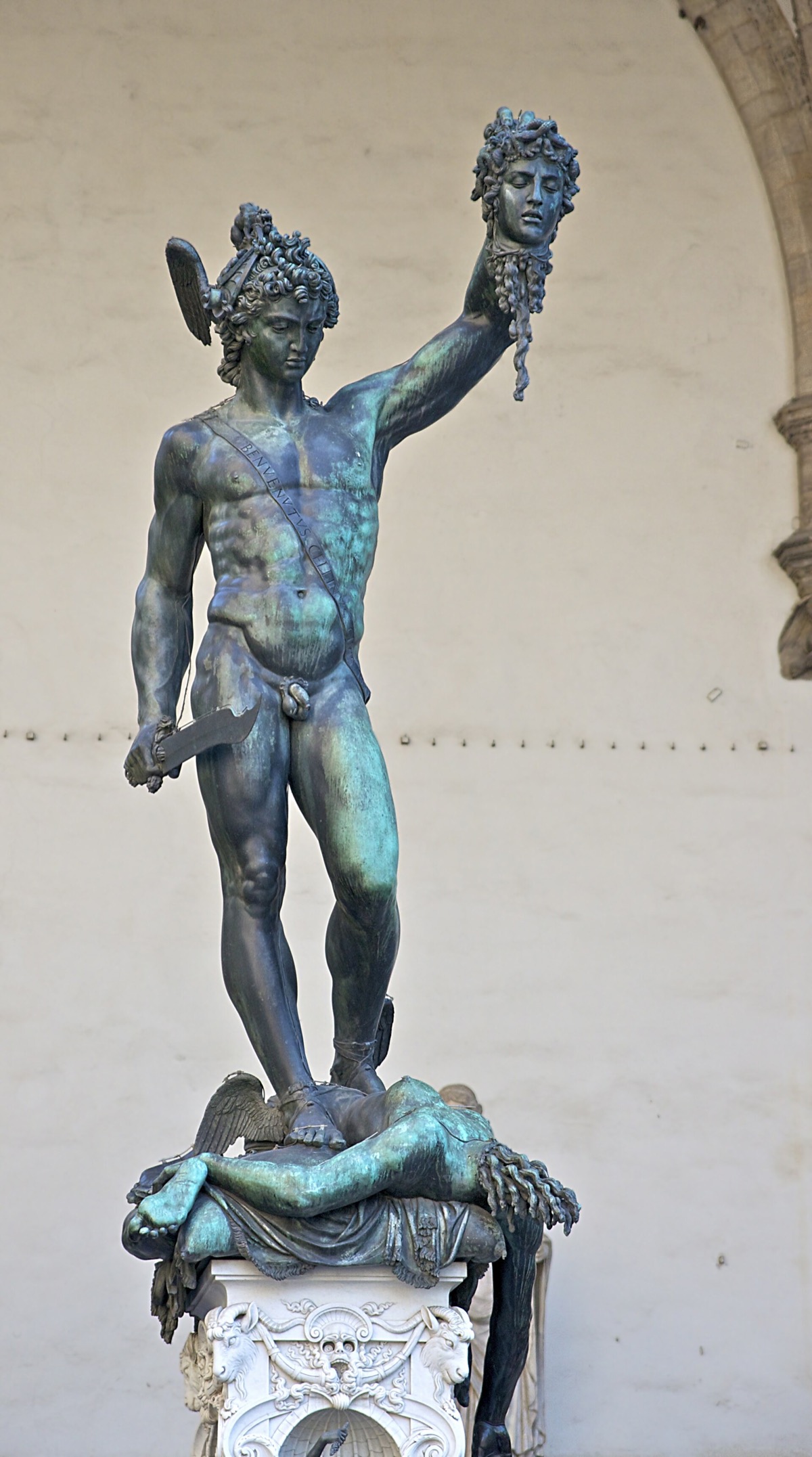
Perseus with the Head of Medusa
1545 to 1554
The hero holds up the dripping head, standing on the body. Look at the back of his helmet, where a second face is hidden, and at the small bronzes round the base.
Bargello National Museum1 work
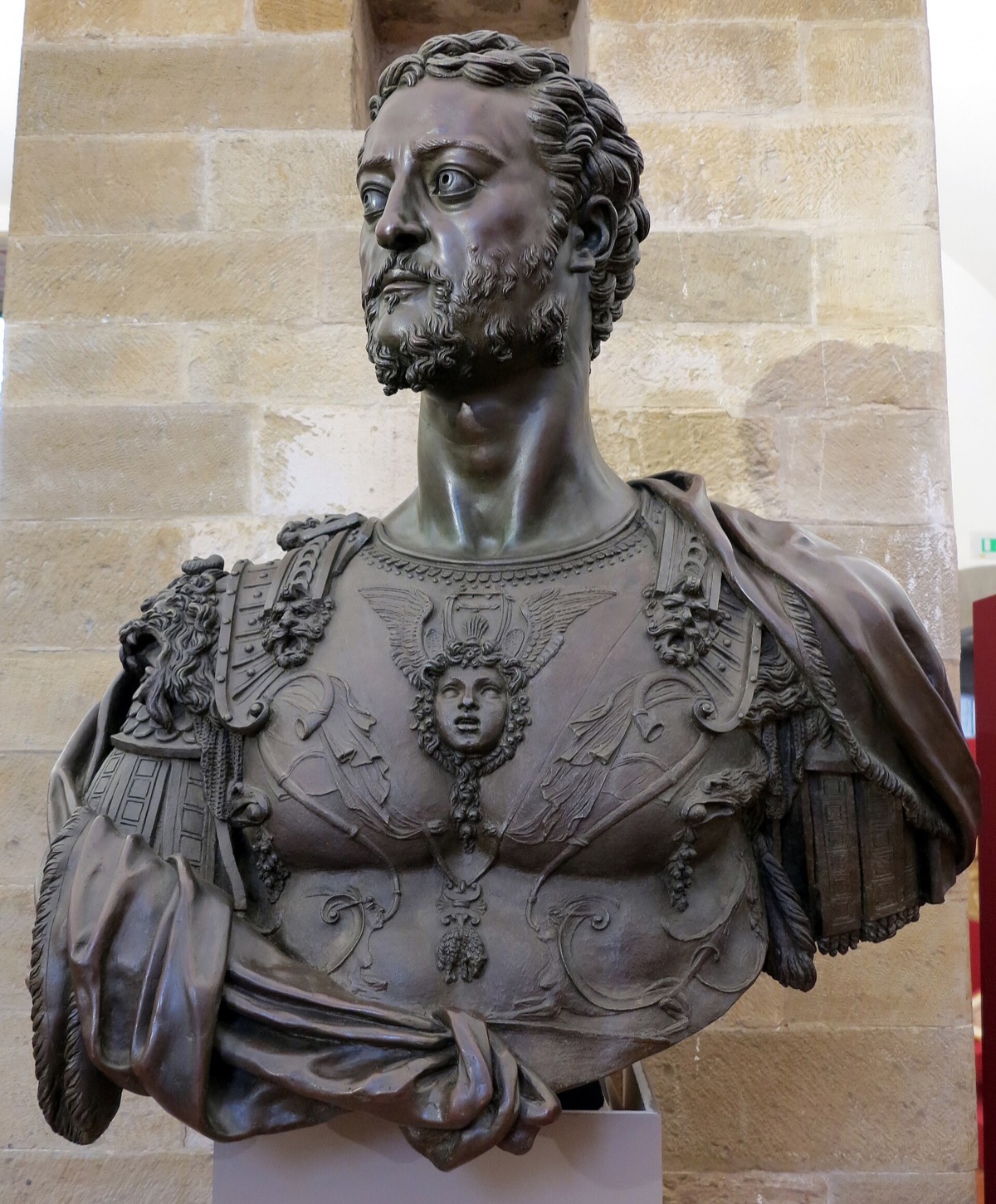
Bust of Cosimo I
1545 to 1547
The duke in fantastic armour, more than life size, glaring. The Bargello also keeps Cellini's models for the Perseus and the original figures from its base.
The life of Benvenuto Cellini
Benvenuto Cellini was born in Florence in 1500 and trained as a goldsmith. He worked in Rome for the popes and in France for King Francis I, killed at least two men by his own account, and was more than once in prison.
He came home in 1545 to work for Cosimo I, and wrote his Life in old age. He is buried in the church of Santissima Annunziata.
What to know
- Wrote one of the most famous autobiographies in Italian
- A bust of him stands in the middle of the Ponte Vecchio
- Worked for two popes and the King of France
- Born
- 3 November 1500, Florence, Italy
- Died
- 13 February 1571, Florence, Italy
Benvenuto Cellini: common questions
- Where can you see Benvenuto Cellini in Florence?
- At the Loggia dei Lanzi, Piazza della Signoria: Perseus with the Head of Medusa. At the Bargello National Museum: Bust of Cosimo I. Museums move and lend their works, so check before a special journey.
- What is Benvenuto Cellini's most famous work in Florence?
- Perseus with the Head of Medusa, of 1545 to 1554, at the Loggia dei Lanzi, Piazza della Signoria. The hero holds up the dripping head, standing on the body. Look at the back of his helmet, where a second face is hidden, and at the small bronzes round the base.
- When and where was Benvenuto Cellini born?
- On 3 November 1500, at Florence, Italy. Benvenuto Cellini died on 13 February 1571, at Florence, Italy, aged about 71.
- What is Benvenuto Cellini known for?
- Wrote one of the most famous autobiographies in Italian. A bust of him stands in the middle of the Ponte Vecchio. Worked for two popes and the King of France. Benvenuto Cellini was an Italian sculptor, of Mannerism.
Tickets and tours: Benvenuto Cellini in Florence
Things to do near the Bargello
The nearest of this site's best things to do in the city. Distances are in a straight line.
- 4Walk the halls of the Palazzo Vecchio200 m awayMonument, 1.5 to 2.5 hours, square free, ticket for the palace
- 12See the real Gates of Paradise at the Opera del Duomo Museum300 m awayMuseum, 1.5 to 2 hours, ticket
- 3Climb Brunelleschi's dome on the Duomo350 m awayChurch, 2 to 3 hours, cathedral free, ticket for the dome
- 1Stand in front of Botticelli's Venus at the Uffizi350 m awayMuseum, 2.5 to 4 hours, ticket
Where to eat near the Bargello
The nearest of the famous tables this site lists in Florence. Distances are in a straight line.
- Vivoli4.5Gelateria, Santa Croce200 m away
- Antico Ristorante Paoli4.7Restaurant, Orsanmichele200 m away
- Perché no!4.6Gelateria, Orsanmichele200 m away
- Rivoire3.8Café and chocolate maker, Piazza della Signoria250 m away
Hotels near the Bargello
The five-star hotels closest to it, of those this site lists in Florence. Distances are in a straight line.
- Hotel Bernini Palace4.7Five-star hotel, Piazza della Signoria150 m away
- Palazzo Portinari Salviati4.8Five-star hotel, Via del Corso150 m away
- Hotel Savoy4.7Five-star hotel, Piazza della Repubblica300 m away
- Portrait Firenze4.8Five-star hotel, Ponte Vecchio450 m away
Other artists
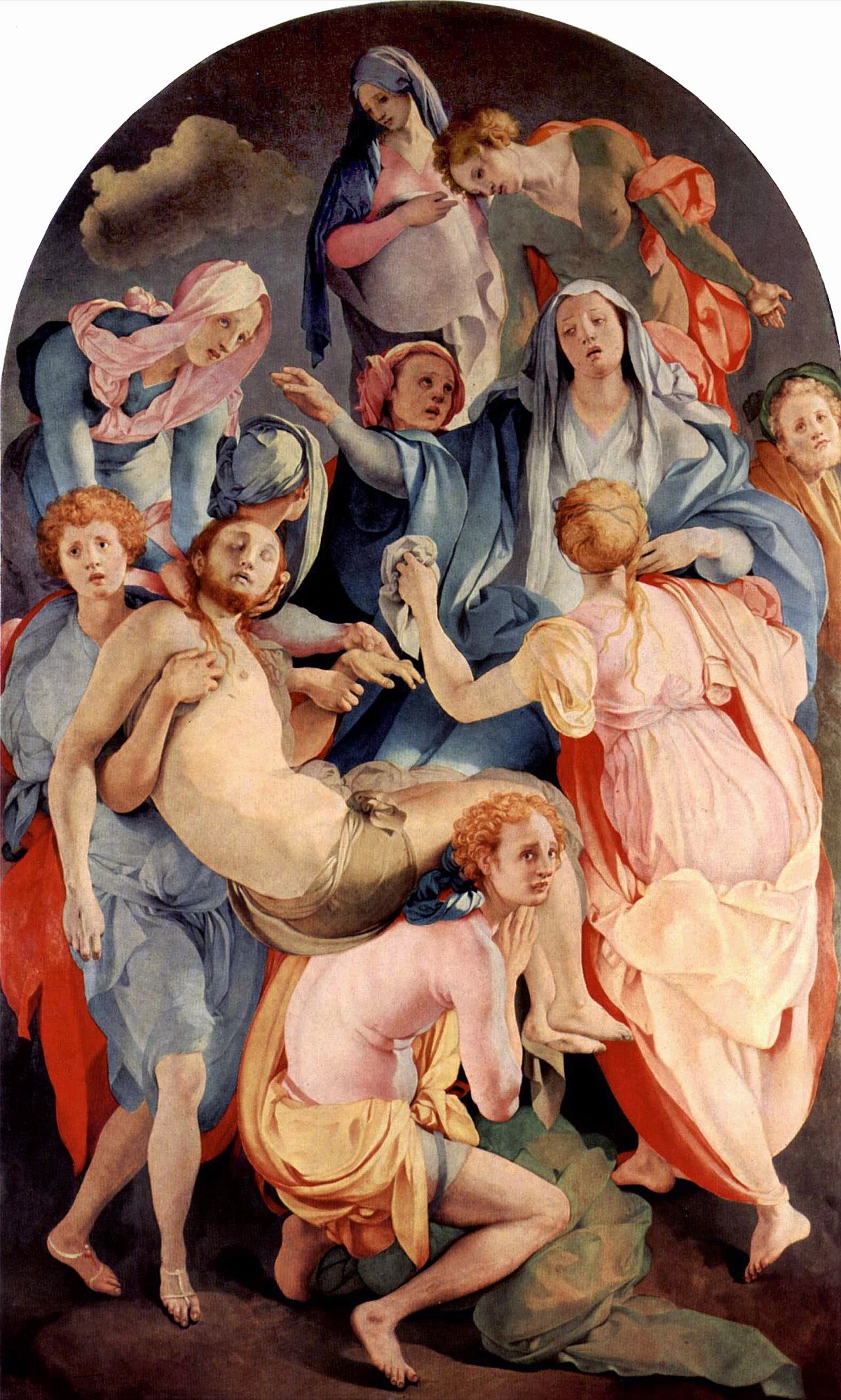
Painter, 1494 to 1557
Pontormo
The strangest painter of the Florentine Renaissance. His Deposition, in a chapel a few steps from the Ponte Vecchio, is all pink, pale blue and anguish, with no cross and no ground.
Mannerism. 3 works in 2 museums
See the artist
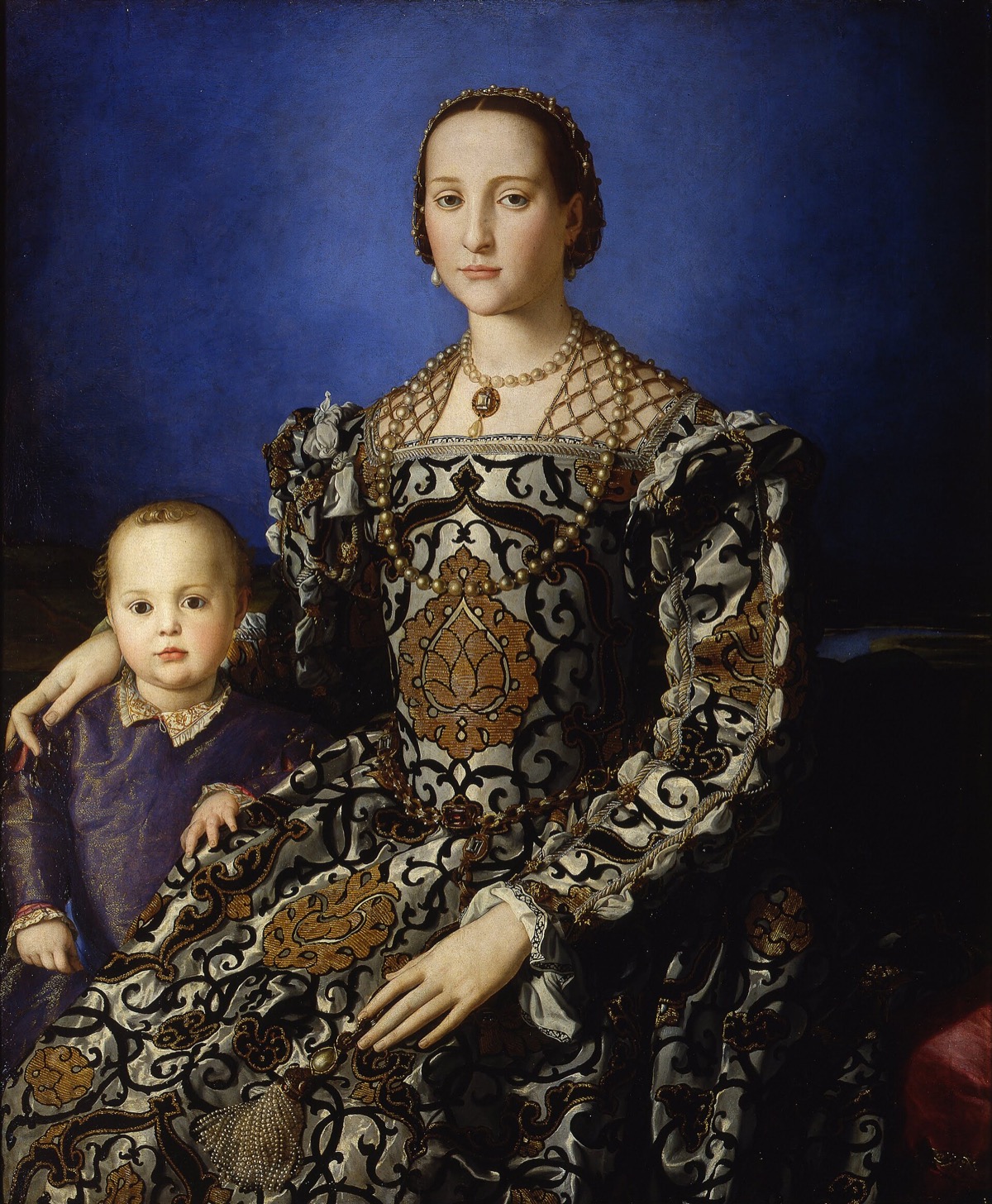
Painter, 1503 to 1572
Bronzino
The court painter of the first Medici grand duke. His portraits in the Uffizi, cool, polished and unreadable, are how we picture the Florence of Cosimo I.
Mannerism. 3 works in 2 museums
See the artist
Picture: Mary Harrsch, CC BY-SA 4.0
Sculptor, 1529 to 1608
Giambologna
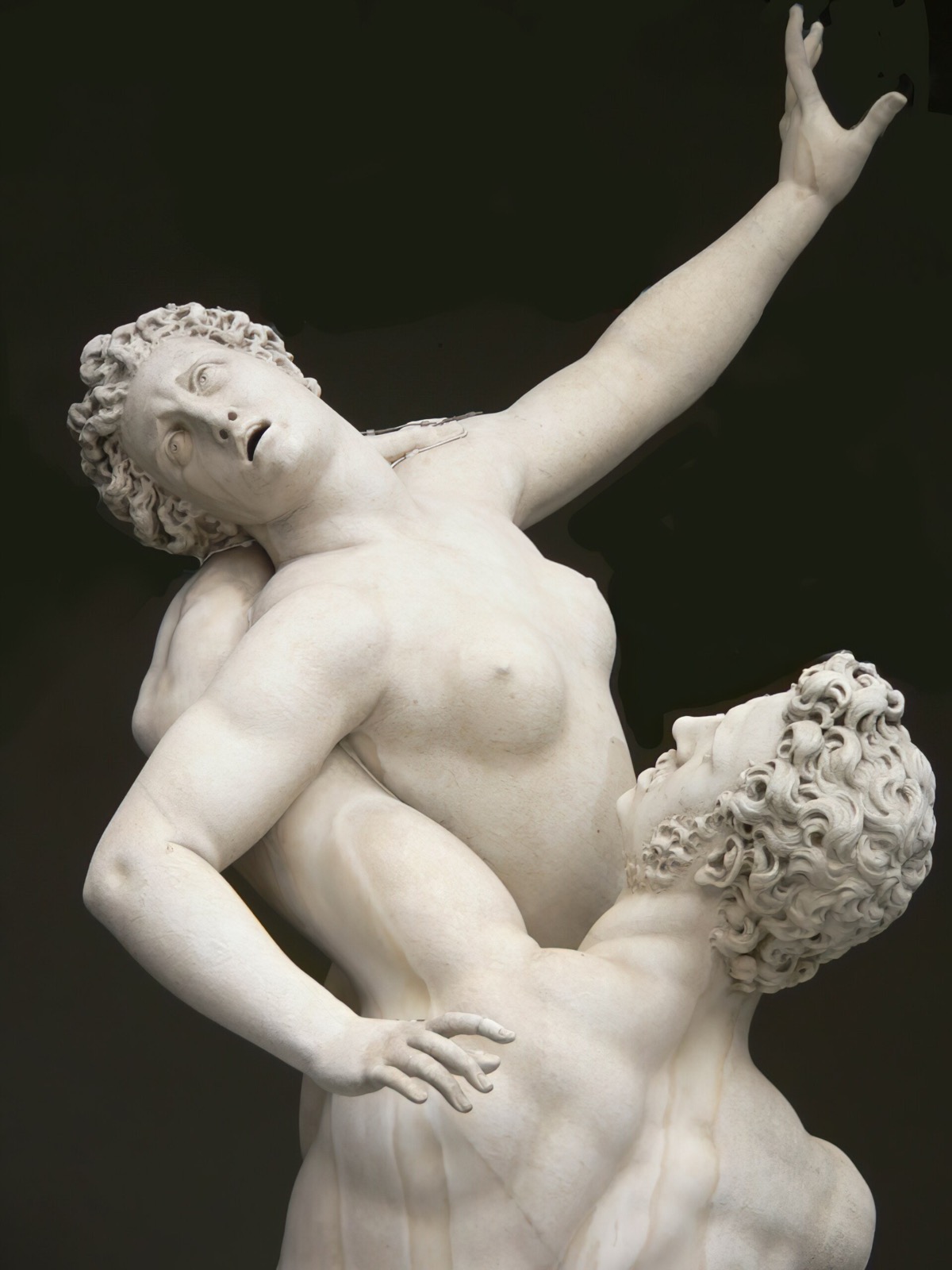
A Fleming who became the sculptor of the Medici grand dukes. His Rape of the Sabine Women in the Loggia dei Lanzi and his flying Mercury in the Bargello were copied all over Europe.
Mannerism. 3 works in 3 museums
See the artist